 Clearwater Siding
 Siding Built for Dunedin's Coastal Climate
Dunedin sits on the Pinellas County coastline along St. Joseph Sound, which means homes here take on a specific combination of weather stress that inland Florida properties don't deal with in the same way. Salt air drifts in off the water and settles on exterior surfaces year-round. Summer humidity and near-daily afternoon storms drive rain sideways into wall assemblies. Intense UV exposure runs almost twelve months a year, not just a few summer weeks. And when a tropical system or hurricane tracks through the Gulf, Dunedin's exterior walls are on the front line of sustained wind and wind-driven rain. Any siding material installed on a Dunedin home has to hold up to all of that at once, not just one or two of those factors.
We're a Clearwater-based crew that works this stretch of Pinellas County regularly, and Dunedin is part of our normal service area. That matters more than it might sound like — a contractor who knows the barrier-island humidity patterns, the typical age and construction style of homes in this part of the county, and how local permitting works isn't guessing at what your house needs. They've seen it on the house down the street.
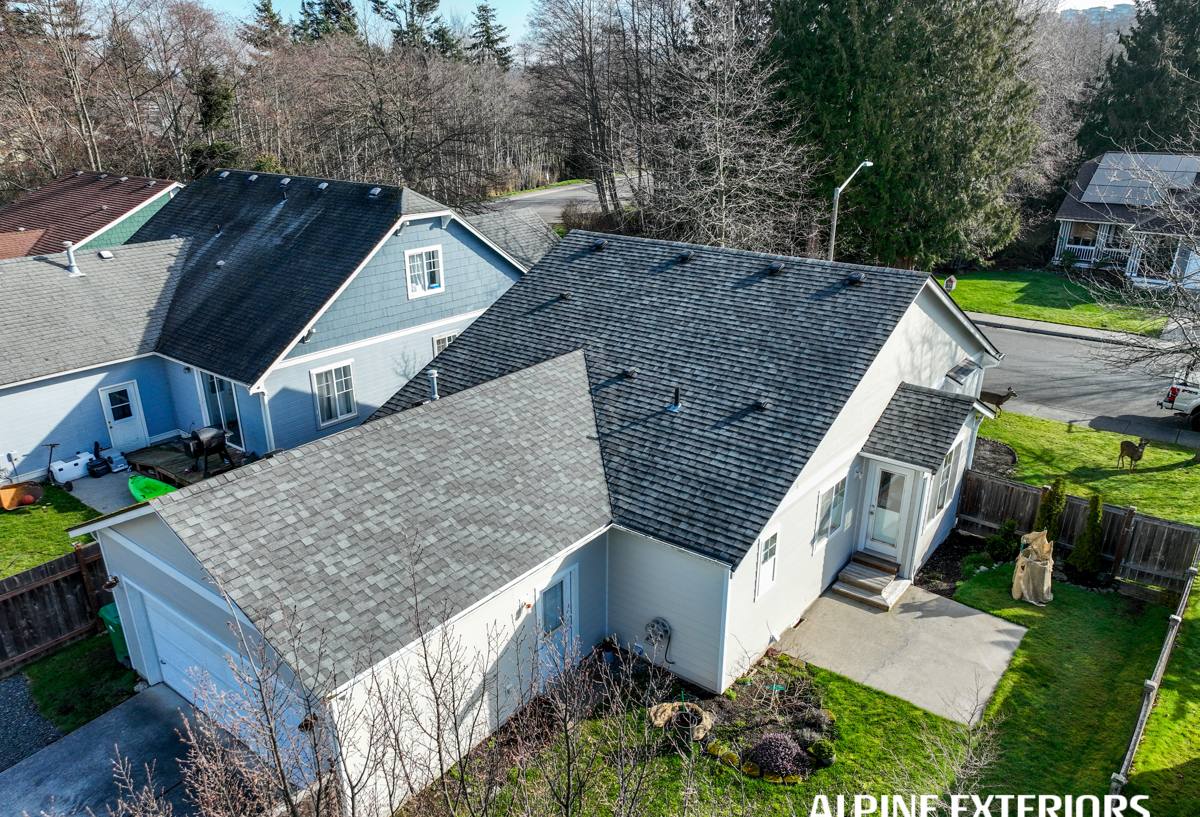
What Dunedin Homes Face From the Exterior In
Salt Air and Corrosion
Even a few miles from open Gulf water, airborne salt accelerates the breakdown of a lot of common building materials. It attacks metal fasteners and trim, and it degrades cheaper paint films and coatings faster than manufacturers' published lifespans suggest. Siding that isn't engineered with coastal exposure in mind tends to show fading, chalking, or surface degradation sooner in a place like Dunedin than it would fifty miles inland.
UV and Heat Cycling
Florida sun is relentless on painted and coated exterior surfaces. UV breaks down pigments and binders over time, which is why so many houses in this area need repainting on a shorter cycle than homeowners expect when they move here from other parts of the country. Materials also expand and contract daily as surface temperatures swing from cool mornings to sun-baked afternoons, and that constant movement stresses seams, caulk joints, and fastener points.
Wind-Driven Rain and Moisture
Pinellas County's storm pattern isn't just rain falling straight down — it's rain pushed horizontally into walls during squalls and tropical systems. That kind of moisture finds every gap in flashing, trim, and siding laps. Materials that absorb water or swell when wet are working against the climate here, not with it.
Wind Load
Dunedin isn't immune to hurricane-force wind events, and siding, trim, and fastening systems need to be rated and installed to hold under real wind pressure — not just look good on a calm day.
Why We Only Install James Hardie Fiber Cement
We made a deliberate decision as a company to install James Hardie fiber cement siding exclusively. We don't install vinyl, LP SmartSide, Cemplank, Allura, or primed wood siding like spruce or cedar. That's not a marketing position — it's a standard we hold to because of what we've seen these products do, and not do, in Gulf Coast conditions over time.
Vinyl softens and can warp in high heat and direct sun exposure, and it's a poor match for a region where afternoon surface temperatures on south- and west-facing walls regularly climb well above ambient air temperature. Engineered wood products like LP SmartSide use wood strand cores that are more vulnerable to sustained moisture exposure than fiber cement, which matters in a climate with heavy humidity and wind-driven rain. Primed cedar or spruce siding requires diligent, ongoing maintenance to keep the wood sealed against moisture — miss a repaint cycle in this climate and the material starts absorbing water fast. Other fiber cement brands like Cemplank and Allura are legitimate products in general terms, but we standardized on one manufacturer, one installation system, and one warranty structure so we can install to spec every time and stand behind the result without ambiguity.
James Hardie fiber cement is non-combustible, dimensionally stable in heat and humidity swings, and available in HZ5 formulations engineered specifically for high-humidity, storm-prone climates like ours. The factory-applied ColorPlus finish is baked on under controlled conditions rather than field-painted, which gives it more consistent UV and fade resistance than a job-site paint job — a real advantage under Florida sun. It also carries a strong transferable limited warranty, which matters to Dunedin homeowners who may sell within the life of the siding.
How James Hardie Performs Against the Alternatives
| Factor | Vinyl Siding | LP SmartSide / Wood | James Hardie Fiber Cement |
|---|---|---|---|
| Heat & UV stability | Can warp or fade in direct sun | Finish fades, needs repainting | Factory ColorPlus finish resists fading |
| Moisture behavior | Resists water but seams can trap it | Wood core vulnerable if moisture gets in | Engineered to resist moisture and swelling |
| Salt air exposure | Chalks and degrades faster near coast | Accelerated wear near coast | Formulated for coastal HZ5 conditions |
| Fire behavior | Combustible | Combustible | Non-combustible |
| Maintenance cycle | Low, but limited repair options | Repaint/reseal every few years | Repaint interval typically 10-15+ years |
| Warranty | Varies, often prorated | Varies by product | Strong transferable limited warranty |
Roofing, Windows, and Decks for the Same Conditions
Siding doesn't work in isolation — it's one part of the whole building envelope. We handle roofing, windows, and decking as well, because a house in Dunedin needs all of it working together against the same wind, rain, and sun. A roof system that's properly sealed and flashed keeps wind-driven rain from finding its way behind new siding. Impact-rated or properly sealed windows reduce both storm vulnerability and the constant heat gain that Gulf Coast sun pushes through older glazing. And exterior decking exposed to the same UV and humidity needs materials and fastening detailed for outdoor Florida use, not just whatever's available at a big-box store. When one crew handles the full exterior, flashing and transitions between roof, wall, window, and deck get coordinated instead of left to chance between separate contractors.
What Correct Installation Looks Like
Fiber cement siding performs the way it's supposed to only when it's installed to manufacturer spec. That's true anywhere, but it matters more in a coastal wind and rain environment where installation shortcuts show up faster.
- Proper starter strip and clearance from grade, roofing, and other transitions
- Correct fastener type, spacing, and embedment depth for the wind zone
- Weather-resistant barrier installed and lapped correctly behind the siding
- Flashing detailed at every window, door, and roof-to-wall transition
- Proper joint treatment and caulking at butt joints and trim
- Panel and plank gaps set to manufacturer tolerance for expansion
- Field-cut edges sealed per manufacturer requirements
Skipping any of these doesn't usually show up as a problem on day one. It shows up two or three years later as water intrusion, trim failure, or premature wear — exactly the kind of thing a wind-driven-rain climate like Dunedin's will find if it's there to find.
Why a Local Crew Matters
A contractor working out of Clearwater and covering Dunedin regularly understands things a national installer or an out-of-area crew won't have dialed in: the county's permitting and inspection process, the wind zone requirements that apply to this part of Pinellas County, and the practical realities of scheduling exterior work around Florida's rainy season. We're not driving in from another market to do a job and leave — Dunedin is part of the area we work in every week, and we're available for warranty service and follow-up questions long after installation is finished.
Planning a Siding Project in Dunedin
Every home is different, but a few things consistently affect scope and cost on Dunedin projects.
| Factor | Why It Matters |
|---|---|
| Existing siding material | Removal of old vinyl, wood, or stucco affects labor and disposal |
| Wall condition underneath | Rot or moisture damage found during tear-off adds repair scope |
| Home size and wall complexity | More corners, windows, and trim details add labor time |
| Product line and profile | Hardie offers multiple plank, panel, and shingle styles at different price points |
| Access and site conditions | Landscaping, fencing, or tight lot lines can affect logistics |
We walk every property in person before quoting, because the only way to give an honest number is to see the actual wall condition, trim details, and access first.
If you're weighing a siding, roofing, window, or deck project on a Dunedin home, we're happy to take a look and give you a straightforward, no-pressure estimate — just fill out the form below to get started.