 Clearwater Siding
 Siding in Largo: Built for a Tough Climate
Largo sits in the middle of Pinellas County, close enough to both Tampa Bay and the Gulf that homes here take on the worst of both worlds: thick, humid summers, sudden severe thunderstorms, hurricane-season wind and rain, and a steady dose of salt-laden air drifting in off the water. None of that is unique to any one street or subdivision in Largo — it's the reality for every home in this part of Florida, whether it's a 1970s block-and-stucco ranch near a canal or a newer build closer to Ulmerton Road. What that means for exterior materials is simple: anything installed here needs to handle constant UV exposure, wind-driven rain, humidity that never really goes away, and the corrosive effect of salt air, year after year, without babying.
We're a local siding, roofing, window, and deck contractor serving the Clearwater and greater Pinellas County area, and Largo is part of our regular service territory. We don't work off a script written for a different climate. We work off what actually holds up in this one.
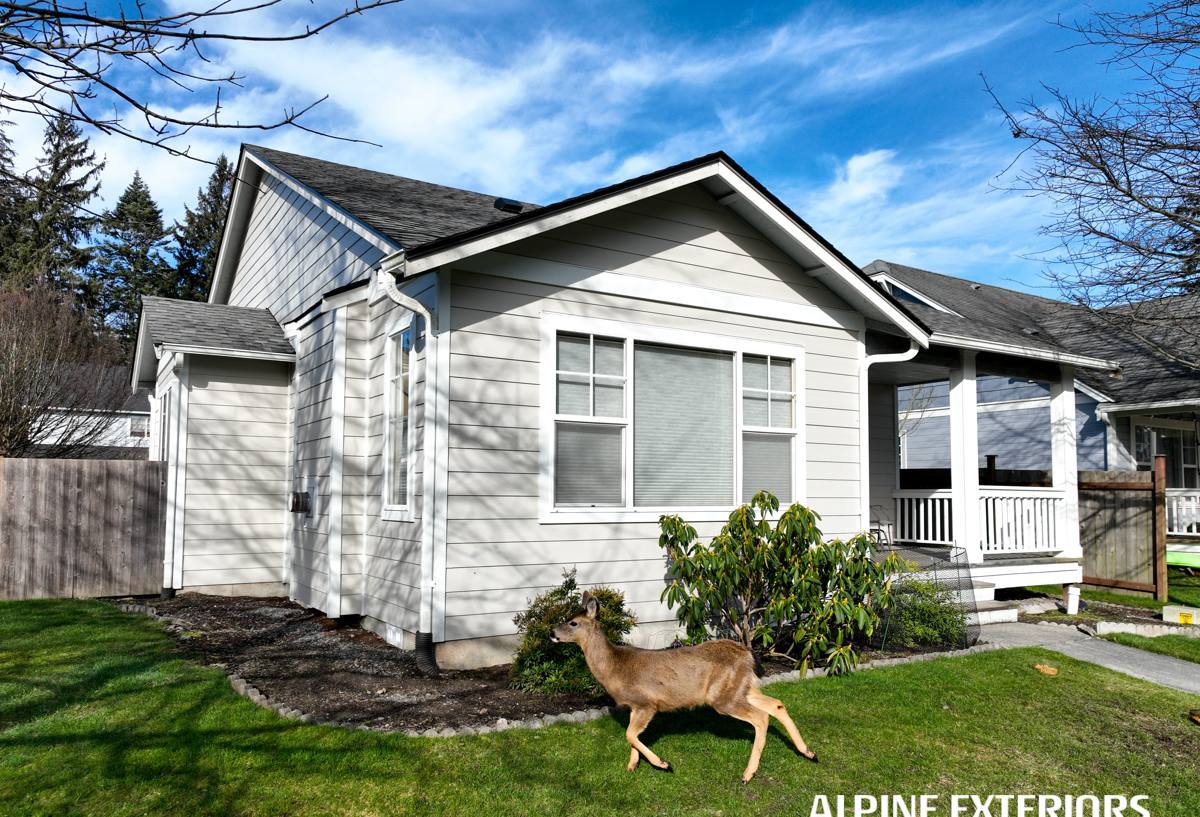
What Largo Homes Face Year-Round
Heat and UV
Florida sun is intense and it's relentless. Siding that isn't engineered for UV exposure fades unevenly, chalks, and can start showing stress at the seams within a handful of years. South- and west-facing walls take the worst of it, but in a climate like ours, every elevation gets significant sun exposure over a full year.
Wind-Driven Rain and Humidity
Pinellas County doesn't get gentle rain — it gets downpours pushed sideways by wind, sometimes for extended stretches during storm season. Siding and trim have to shed that water instead of trapping it. Once moisture gets behind a wall system and has nowhere to go, in this humidity, problems compound fast: swelling, soft spots, and conditions that invite rot and pests.
Storm and Wind Exposure
Largo is well inland from the immediate coastline, but it's still fully exposed to tropical storm and hurricane-force winds when systems move through the bay area. Fasteners, flashing details, and the siding material itself all need to be rated and installed to hold up under real wind loads, not just look good on a calm day.
Salt Air
Even away from the immediate waterfront, salt carried on Gulf and bay breezes settles on exterior surfaces across Pinellas County. Over time it accelerates corrosion of untreated metal components and can degrade lower-quality finishes faster than manufacturers' glossy marketing suggests.
Why We Only Install James Hardie Fiber Cement Siding
We get asked fairly often why we don't offer vinyl, LP SmartSide, or other engineered wood and fiber cement alternatives like Cemplank or Allura. It's a fair question, and the honest answer is that we made a standard for our own work, based on what we've seen hold up in this specific climate over time.
What We Don't Install, and Why
| Product | Where it can fall short in our climate |
|---|---|
| Vinyl siding | Can warp or distort under sustained heat and intense UV; impact resistance in wind-driven debris is limited compared to fiber cement |
| LP SmartSide (engineered wood) | Wood-based core is more sensitive to sustained humidity and moisture intrusion than fiber cement if any moisture gets behind it |
| Primed spruce or cedar | Requires ongoing repainting and moisture maintenance that our humid, high-UV climate makes demanding over time |
| Other fiber cement brands (Cemplank, Allura, etc.) | Can be reasonable products, but we've standardized on one system so our crews install to one spec, with one warranty structure, every time |
None of these are bad products in every application — they simply aren't the standard we've chosen to build our business on. Fiber cement, done right, is genuinely non-combustible, dimensionally stable across heat swings, and far less prone to moisture-driven failure than wood-based sidings. Within fiber cement, James Hardie is the manufacturer we've settled on because of their ColorPlus factory finish (a baked-on finish that resists the fading and chalking that plain field-painted siding shows first), their HZ5 product line engineered specifically for humid, high-moisture climates like ours, and a warranty structure that's meaningful and transferable if you sell the home.
What James Hardie Gets Right for This Climate
- Non-combustible fiber cement core — doesn't feed a fire the way wood-based siding can
- ColorPlus factory-applied finish holds color longer than field-applied paint under intense Florida UV
- HZ5 formulation engineered for high-humidity, high-moisture regions like the Gulf Coast
- Dimensionally stable — doesn't expand, contract, or warp the way vinyl and wood products can under heat cycling
- Strong resistance to pests that target wood-based siding
- Transferable warranty that holds value if the home is sold
Our Siding Installation Process
Correct installation matters as much as the material itself. Fiber cement siding installed to spec performs well for decades; the same product installed with the wrong fasteners, wrong clearances, or poor flashing details can develop problems years earlier than it should.
- Inspection and assessment — we look at your existing siding, sheathing, and any signs of moisture intrusion before quoting anything
- Removal and substrate check — old siding comes off and we check the wall sheathing underneath for rot or damage before covering it back up
- Moisture barrier and flashing — proper house wrap and flashing at windows, doors, and penetrations, since this is where most water intrusion problems start
- Installation to manufacturer spec — correct fastener spacing, clearances from grade and rooflines, and joint treatment per James Hardie's published installation requirements
- Final inspection and cleanup — a walkthrough with you before we consider the job done
Beyond Siding: Roofing, Windows, and Decks
Siding doesn't work in isolation — the roofline, window flashing, and any attached decking all interact with how water moves around your home. We handle all four trades for that reason. A siding job that ignores a failing roof edge or leaking window flashing just moves the moisture problem somewhere else. When we're on a Largo property for siding, we're looking at the whole exterior envelope, not just one component.
Roofing
Roof condition directly affects how well siding and trim perform below it. We handle roof repair and full roof installation, and we'll flag roof issues we notice during a siding estimate even if that's not what you called us for.
Windows
Window flashing and seals are one of the most common points of water intrusion in Florida homes. When we're replacing siding around existing windows, we make sure that interface is done right, and we install replacement windows when that's part of the scope.
Decks
Outdoor living spaces in Pinellas County take the same sun, humidity, and storm exposure as siding does, just from a different angle. We build and repair decks with materials and fastening chosen for this same climate.
Why a Local Crew Matters
A contractor based elsewhere in Florida, or one working from a national playbook, doesn't necessarily know how a wall assembly behaves after a decade of Pinellas County summers and storm seasons. We're local — we see how homes in this specific area age, what fails first, and what holds up. That shapes real decisions: fastener choices, flashing details, and which products we're willing to put our name behind for a Largo home.
Being local also means we're accountable after the job is done. If something needs a follow-up look after a storm rolls through, we're not a phone number in another state.
What to Look for When Hiring a Siding Contractor
- Proper licensing and insurance, verifiable through the state
- A written scope that specifies fastener type, flashing details, and manufacturer installation standards — not just "siding replacement"
- Manufacturer-backed warranty terms explained clearly, including what voids them
- Willingness to explain material trade-offs honestly rather than pushing the cheapest option
- Local references and a physical local presence, not just a lead-generation website
- A clear plan for substrate inspection, not just a straight tear-off-and-reinstall
Cost Factors to Expect
Every home is different, and we don't quote sight-unseen, but a few factors consistently drive the cost of a siding project in this area.
| Factor | How it affects cost |
|---|---|
| Home size and complexity | More linear footage and more corners, gables, and trim details mean more labor and material |
| Substrate condition | Rot or moisture damage found during removal adds repair work before new siding goes on |
| Siding profile and finish | Different James Hardie profiles and ColorPlus finish options carry different material costs |
| Access and site conditions | Tight lot lines, landscaping, or multi-story sections can add labor time |
| Scope beyond siding | Bundling roofing, window, or trim work into the same project changes overall project cost and timeline |
Get a Free Estimate for Your Largo Home
If your siding is showing its age, or you're just planning ahead for a Florida home that has to deal with sun, storms, humidity, and salt air every year, we're happy to come take a look. There's no pressure and no obligation — just an honest assessment of what your home actually needs and what it would cost to do it right. Use the form below to request a free estimate.