 Clearwater Siding
 Siding Replacement for Largo Homes: What This Job Actually Requires
Largo sits in the middle of Pinellas County, close enough to Tampa Bay and the Gulf to catch the same salt-laden air, heavy summer humidity, and storm exposure that batters the rest of the peninsula. Homes here run the gamut from 1970s and 80s block construction with old wood or aluminum siding to newer builds already showing early failure from lower-grade products. When siding on a Largo home reaches the end of its life, replacing it correctly is a different job than patching a few damaged boards. It means addressing what's underneath, choosing a product built for this climate, and installing it in a way that will actually hold up to the next twenty or thirty years of Florida weather.
This page focuses specifically on full siding replacement for homes in Largo — what local conditions demand, what a correct job looks like from tear-off to final trim, and why the crew you hire matters as much as the product on the wall.
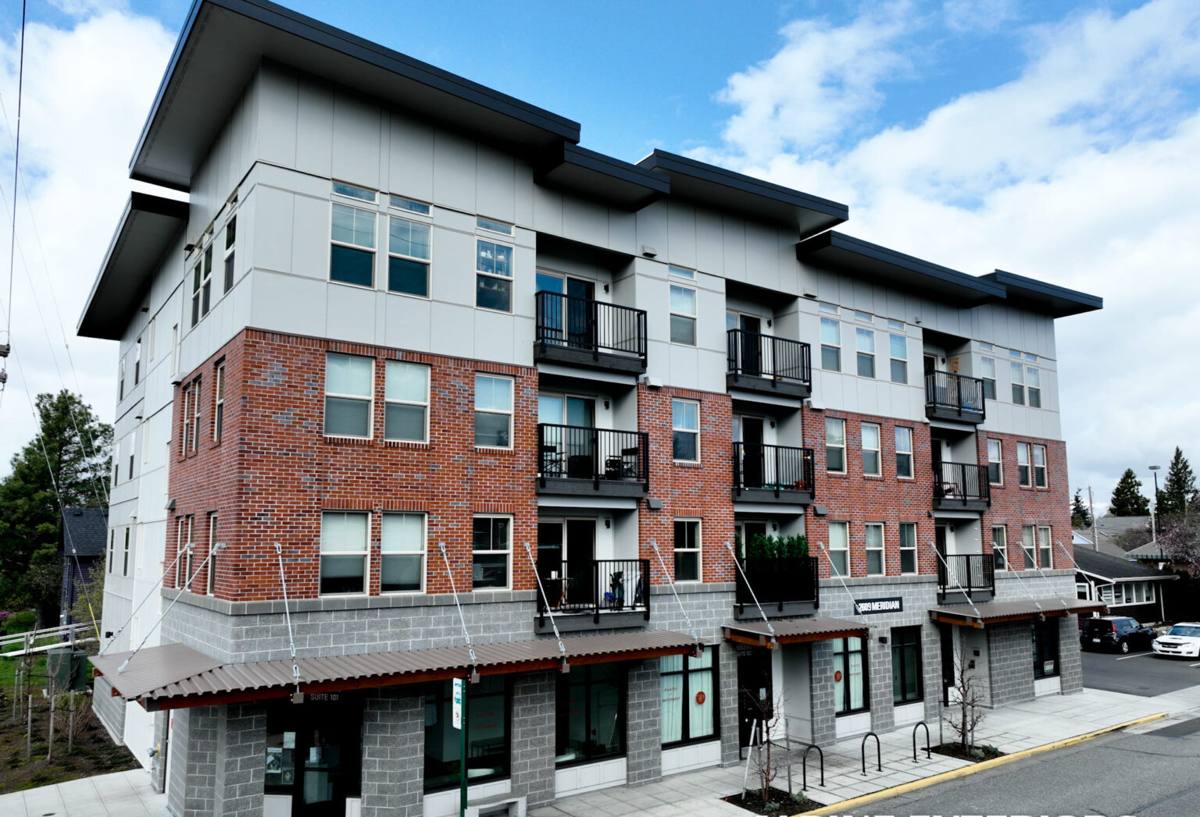
Why Siding Fails Faster Here Than in Most of the Country
Pinellas County homes take on more siding stress than almost anywhere else in the continental U.S. A handful of factors compound on each other year-round, not seasonally:
- Intense, near-constant UV exposure. Florida's sun angle and long daylight hours break down paint film, caulk, and lower-quality composite materials faster than in northern climates. Fading and chalking show up early on siding that isn't factory-finished for UV resistance.
- Wind-driven rain. It's not just rainfall totals — it's rain pushed sideways into wall assemblies during Gulf storms and summer thunderstorm cells. Siding and flashing details that would be fine in a calmer climate let water in here.
- Salt air. Even well inland from the immediate coastline, Largo gets salt-bearing air off Tampa Bay and the Gulf. Salt accelerates corrosion of fasteners and trim and speeds up degradation of materials that aren't rated for coastal exposure.
- Hurricane-force wind events. Every siding product has a wind-load rating, and every installation has a fastening schedule that either meets it or doesn't. A single tropical system can expose weak installation work that looked fine for years.
- High humidity and heat cycling. Constant moisture in the air, paired with hot days and cooler nights, keeps wall assemblies in a near-permanent damp state if the siding and water management behind it aren't doing their job.
None of this is unique to Largo specifically — it's the reality across Pinellas County and most of the Tampa Bay area — but it's worth stating plainly because it changes what "good siding" means here. A product or installation approach that performs adequately in a drier, milder climate can fail within a handful of years under these conditions.
Signs a Largo Home Actually Needs Replacement, Not Repair
Not every siding problem calls for a full tear-off. But there's a point where patching becomes false economy — you're spending money to delay a job that's coming anyway, while water damage underneath keeps spreading. Signs it's time to talk about replacement rather than repair:
- Soft, spongy, or crumbling siding when pressed — a sign of moisture intrusion and possible substrate rot
- Visible warping, buckling, or separation at seams and corners
- Paint that won't hold no matter how often it's redone, or chalky residue that rubs off on your hand
- Siding that's original to a home 20+ years old, especially wood, older vinyl, or early composite products
- Persistent staining, streaking, or a musty smell near exterior walls, which can point to water getting behind the siding
- Visible fastener corrosion or rust streaks running down from nail heads
- Damage after a storm that affects more than a small, isolated section
If you're seeing two or more of these, it's worth having someone look at the wall assembly itself, not just the surface. Damaged siding is often a symptom; the underlying sheathing and moisture barrier are what actually determine whether repair or replacement makes sense.
Why We Install Only James Hardie Fiber Cement Siding
We made a deliberate decision to install one siding system — James Hardie fiber cement — and not offer vinyl, LP SmartSide, Cemplank, Allura, or primed wood species like spruce or cedar. That's not a marketing position; it's a practical one built on what actually holds up in this climate and what we're willing to warranty our labor against.
Vinyl siding is inexpensive and easy to install, but it softens and can warp in extreme heat, and it's not built to take direct hurricane-force wind loads the way fiber cement is. Engineered wood products like LP SmartSide perform well in many parts of the country, but wood-based composites are more sensitive to sustained moisture exposure than fiber cement — and sustained moisture is exactly what Pinellas County delivers. Primed wood species need an ongoing paint and caulk maintenance cycle that most homeowners underestimate, and any gap in that maintenance shows up fast under intense UV and humidity. Other fiber cement brands exist, but James Hardie engineers specific product lines for humid, high-UV, storm-prone climates — that region-specific engineering, plus the factory-applied ColorPlus finish and Hardie's transferable warranty structure, is why we standardized on it rather than mixing products.
None of this means every other product is a bad choice for every homeowner in every climate. It means that for what a Largo home has to withstand — sun, salt, wind, and water, twelve months a year — fiber cement engineered for this exact climate is the material we're willing to put our name behind.
What Makes James Hardie's HZ5 Line Relevant Here
Hardie engineers its HZ product lines by climate zone, and Pinellas County falls into the HZ5 zone — built for high humidity and moisture exposure. That means the board itself is formulated to resist moisture-related swelling and deterioration in a climate like this one, rather than being a general-purpose product used everywhere in the country regardless of local conditions.
What a Correct Siding Replacement Actually Involves
A siding replacement is only as good as what happens before the new boards go up. The visible finish is the last five percent of the job — everything underneath it is what determines whether the siding lasts five years or thirty.
Tear-Off and Inspection
Old siding comes off completely, exposing the sheathing underneath. This is the point where hidden problems — rot, insect damage, delaminated sheathing, prior water intrusion — get found and addressed. Skipping this step and installing new siding over compromised sheathing just buries the problem.
Water Management Layer
A correctly installed weather-resistant barrier and properly integrated flashing around windows, doors, and penetrations is what actually keeps wind-driven rain out of the wall assembly. This layer does more to prevent future water damage than the siding material itself.
Fastening to Spec
James Hardie publishes specific fastening schedules by wind zone, and Pinellas County's wind exposure requires following them precisely — correct fastener type, spacing, and embedment. This is where installation quality either meets the product's engineered wind rating or quietly falls short of it.
Trim, Joints, and Sealant Details
Butt joints, corners, and penetrations need to be detailed correctly to shed water rather than trap it. Caulking is not a substitute for proper flashing and shingle-lap technique — it's a supplement to it.
Factory Finish
James Hardie's ColorPlus finish is baked on at the factory under controlled conditions, which gives it more consistent UV and fade resistance than field-applied paint. Field touch-up is limited to specific areas using Hardie's matched touch-up products, preserving that factory-grade finish rather than replacing it wholesale.
How Our Process Works From Estimate to Finished Job
- On-site assessment. We walk the exterior, check for signs of underlying moisture or structural issues, and measure the full scope of the job — not just the visibly damaged sections.
- Written estimate. You get a clear scope of work and pricing before anything is scheduled, including what Hardie product line and profile fits the home.
- Tear-off and sheathing inspection. Old material comes off, and we address anything we find underneath before moving forward.
- Weather barrier and flashing installation. This is the step that determines long-term water performance, done before a single piece of new siding goes up.
- Hardie siding installation to manufacturer and wind-zone fastening specs.
- Trim, caulking, and finish detailing.
- Final walkthrough so you can see the finished work and raise anything before we consider the job complete.
What Drives Siding Replacement Cost
Every home is different, and we don't quote pricing without seeing the job, but these are the main factors that move the number:
| Factor | Why It Matters |
|---|---|
| Home size and wall complexity | More square footage and more corners, gables, and dormers mean more material and labor |
| Condition of existing sheathing | Rot or water damage found during tear-off adds repair work before new siding can go on |
| Siding profile and plank width | Lap siding, shingle-style panels, and board-and-batten each have different material and labor costs |
| Trim and detail work | Corner boards, window and door trim, and fascia detailing add labor time |
| Height and access | Two-story sections and difficult access points require more equipment and time |
| Color and finish selection | Factory ColorPlus finishes and certain color families can affect material pricing |
We'd rather walk your home and give you an honest number than throw out a broad range that doesn't reflect your actual project.
Why It Matters That We Already Work in Largo
A contractor who regularly works Largo and the surrounding Clearwater area already knows the building patterns common to this part of Pinellas County, the local permitting process, and how homes here typically hold up — or don't — over time. That familiarity shows up in small but meaningful ways: knowing what to expect when older sheathing comes off, understanding how a home's orientation to prevailing wind and sun affects wear patterns, and being available for warranty follow-up because we're not driving in from three counties away.
Hurricane season adds urgency to this. Contractors who are already established locally are more likely to be reachable for follow-up work and warranty service after a storm than a crew that only shows up for one job and moves on.
Vetting a Siding Contractor: What to Actually Check
- Active Florida contractor license, verifiable through the state licensing board
- Proof of liability insurance and workers' compensation coverage
- A written scope of work and fastening/installation specs, not just a verbal quote
- Manufacturer certification or documented experience specifically with the siding product being installed
- A physical local presence, not just a lead-generation website
- Willingness to explain warranty terms — both the manufacturer's product warranty and the contractor's labor warranty — in writing
Any contractor should be able to answer these questions directly, without hesitation. If they can't, that's worth paying attention to before you sign anything.
After Installation: Keeping Hardie Siding Performing
One advantage of fiber cement is how little ongoing maintenance it actually needs compared to wood or vinyl, but "low maintenance" isn't "no maintenance." A short annual routine keeps the system performing as designed:
- Rinse the exterior periodically to remove salt residue and airborne grime, especially after dry spells followed by rain
- Inspect caulking at trim joints and penetrations yearly and reseal if it's cracked or pulling away
- Check for any impact damage after major storms and have it addressed before water can get behind the panel
- Keep irrigation heads and sprinklers from spraying directly on siding long-term, which can leave mineral deposits
- Trim vegetation back from exterior walls to maintain airflow and reduce moisture buildup at the surface
If your Largo home's siding is showing its age or storm damage, we're happy to take a look and give you a straightforward, no-pressure estimate — just fill out the form below and we'll get in touch.