 Clearwater Siding
 Siding, Roofing, Windows, and Decks for Oldsmar Homes
Oldsmar sits at the north end of Pinellas County, tucked along the upper reaches of Tampa Bay's Old Tampa Bay arm. It's a quieter corner of our service area compared to the beach-facing parts of Clearwater, but the exterior of a house here still takes a beating from the same regional forces: long stretches of intense sun, sudden downpours that arrive sideways in a stiff wind, and a humid, salt-tinged air mass that never really lets a building "dry out" the way homes do in drier climates. We work on siding, roofing, windows, and decks throughout the Clearwater area, and Oldsmar is a community we know well from repeat calls — replacement work, storm repairs, and homeowners who want to get ahead of a problem before it becomes an emergency.
This page is meant to be a straightforward, honest look at what Oldsmar homes tend to deal with, how our services address it, and why we standardized our siding work on one product system instead of offering a menu of options.
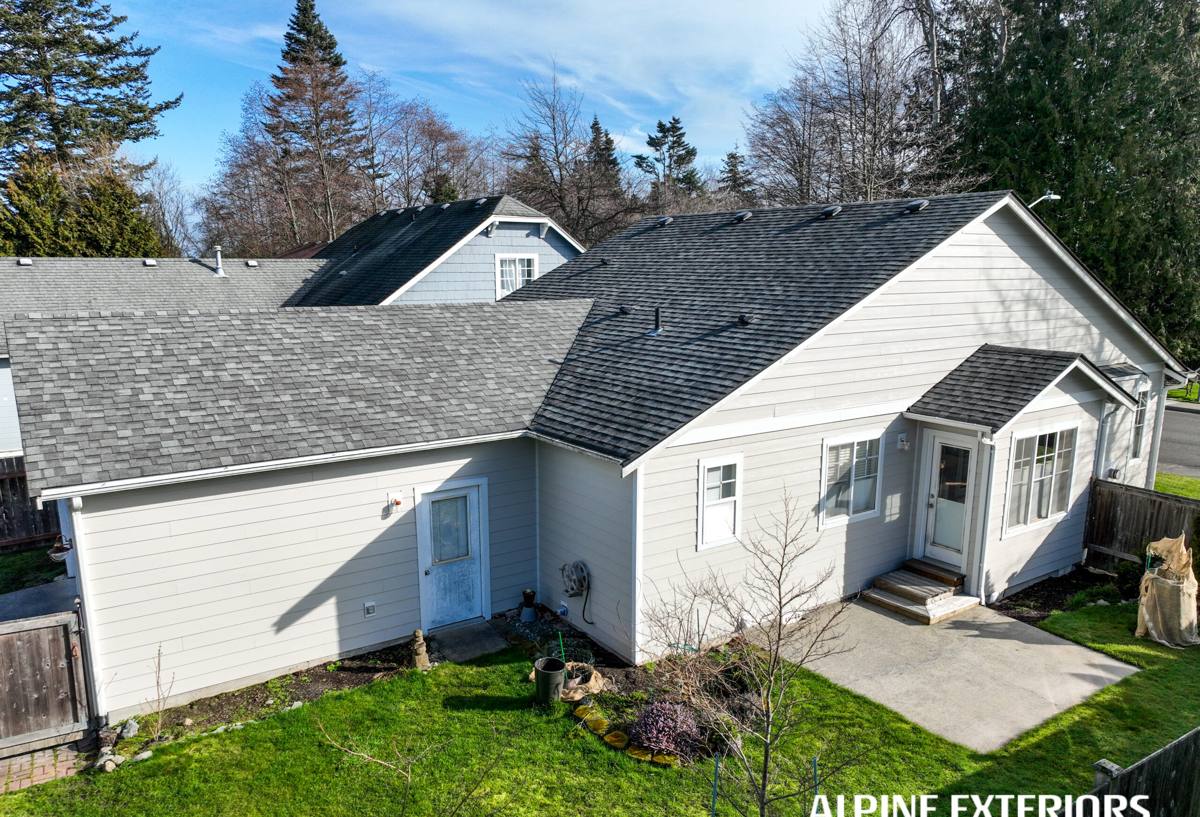
What the Local Climate Does to a House in Oldsmar
Being set back from the immediate coastline doesn't exempt Oldsmar from Pinellas County's weather pattern. A few things matter most for the exterior of a home here:
- Heat and UV load: Florida sun is relentless for most of the year. Siding, trim, and roofing materials that aren't engineered for UV exposure fade, chalk, or become brittle well before their expected lifespan.
- Wind-driven rain: Summer storms and the occasional tropical system don't just drop rain straight down — wind pushes it sideways into wall assemblies, seams, and window flashing. Materials and installation details that handle vertical rain fine can still let water in when it's coming in at an angle.
- Humidity and moisture cycling: Pinellas County air stays humid for much of the year. Building materials that absorb and release moisture repeatedly are more prone to swelling, cupping, or rot over time than materials that resist water intrusion in the first place.
- Salt air influence: Even away from the immediate Gulf beaches, proximity to Tampa Bay means a measure of airborne salt reaches inland communities like Oldsmar, especially on fasteners, trim, and any metal components on the exterior.
- Storm exposure: Tropical storms and hurricanes are a fact of life in this part of Florida. Wind resistance and impact durability aren't optional upgrades — they're baseline requirements for anything installed on the outside of a house.
None of this is unique to Oldsmar specifically — it's the reality for the whole Clearwater and Pinellas County area — but it's worth stating plainly because it drives every material decision we make for exterior work here.
Siding: Why We Install James Hardie Fiber Cement Only
We install James Hardie fiber cement siding exclusively. We don't offer vinyl, LP SmartSide, Cemplank, Allura, primed spruce, or cedar as options, and that's a deliberate professional standard, not a lack of familiarity with those products.
The Short Version of Why
Each of the alternatives has a real weakness that matters more in a climate like this one than it might in a milder region:
- Vinyl siding is inexpensive and low-maintenance, but it's a petroleum-based product that can soften, warp, or become brittle under sustained heat and UV exposure, and it has real limits on wind resistance compared to fiber cement.
- Wood products (cedar, primed spruce) look great initially but are organic materials in a humid climate — they're vulnerable to moisture absorption, rot, and insect activity unless maintained aggressively and continuously, which is a real ongoing cost most homeowners underestimate.
- LP SmartSide is an engineered wood product with a resin-treated strand design that performs better than raw wood, but it's still wood-based at its core, meaning edge sealing, caulking, and paint maintenance are non-negotiable to keep moisture out over the long run.
- Cemplank and Allura are both fiber cement products, and fiber cement as a category is the right call for this climate. Where they differ from what we install is engineering depth for humid, high-UV, wind-driven-rain climates, the factory finish system, and the transferable warranty structure.
James Hardie is the product we stand behind because it's non-combustible, engineered specifically for climate zones like ours through its HZ5 product line, and finished at the factory with ColorPlus Technology — a baked-on finish that resists fading and chipping far better than field-applied paint. It also carries a strong, transferable limited warranty, which matters both for a homeowner's peace of mind and for resale value down the line.
What James Hardie Doesn't Solve By Itself
Fiber cement is only as good as the installation behind it. Correct installation in this climate means proper clearance from grade and roofing, correctly lapped and sealed joints, the right fastener pattern and type (to resist both wind load and salt-air corrosion), and flashing details at every window, door, and penetration. A great product installed poorly will still fail — moisture finds the gap, not the material. That's why we treat installation quality as equal in importance to product selection.
| Factor | Vinyl | Wood / LP SmartSide | James Hardie Fiber Cement |
|---|---|---|---|
| UV/heat resistance | Moderate — can warp or fade | Moderate, paint-dependent | High, factory-cured finish |
| Moisture/rot resistance | Good (non-organic) but seams can trap water | Requires ongoing sealing/painting | Engineered for humid climates |
| Wind/impact durability | Lower wind rating typically | Moderate | Higher wind and impact ratings |
| Combustibility | Combustible | Combustible | Non-combustible |
| Maintenance | Low, but limited repair options | Regular painting/caulking needed | Low; occasional caulk/inspection |
Roofing for Oldsmar's Storm Exposure
Siding and roofing work together as a system — a roof with poor underlayment or flashing can send water straight down into a wall assembly no matter how good the siding is. For roofing, we focus on the details that matter most in this climate: properly sealed underlayment, correctly installed flashing at every valley and penetration, and shingle or material selection rated for the wind speeds Pinellas County actually sees. A roof inspection is often the right first step for an Oldsmar homeowner who's noticing interior stains, granule loss in the gutters, or simply hasn't had the roof looked at since the last major storm season.
Windows: Impact Resistance and Sealing
Windows are one of the most common failure points during wind-driven rain events — not because the glass fails, but because the seal around the frame does. In storm-prone Pinellas County, impact-rated windows with correctly installed flashing and sealant are worth the investment both for storm protection and for day-to-day energy performance, since a poorly sealed window also lets conditioned air escape year-round. When we replace siding on a home, window flashing integration is part of the conversation — it's much easier to get that detail right while the wall is already open than to patch around it later.
Decks: Built for Sun, Rain, and Salt Air
Outdoor living spaces in Oldsmar face their own version of the same climate stress: constant UV exposure, humidity that keeps wood damp longer than in drier regions, and fasteners exposed to salt-influenced air. Whether a deck is wood or composite, the details that matter are drainage (so water doesn't pool against ledger boards or posts), proper flashing where the deck ties into the house, and corrosion-resistant hardware. A deck built without attention to those details tends to show problems — soft spots, rust streaks, movement — well before it should.
What a Siding Replacement Project Looks Like
Typical Process
- On-site assessment: We look at the existing siding, sheathing condition, and any signs of past water intrusion before quoting anything.
- Product and color selection: James Hardie's HZ5 lines and ColorPlus finish options are reviewed against the home's style and the homeowner's preferences.
- Tear-off and inspection: Removing old siding often reveals sheathing or framing issues that need addressing before new siding goes on — this is normal and part of doing the job right.
- Installation to manufacturer spec: Proper clearances, fastening, and flashing at every penetration.
- Final walkthrough: Reviewing the finished work with the homeowner before calling the job complete.
Checklist: Signs an Oldsmar Home May Need Siding Attention
- Visible warping, buckling, or gaps between siding panels
- Soft spots when pressed, especially near the bottom edge or around windows
- Peeling or bubbling paint that keeps recurring in the same spots
- Rising energy bills without another clear explanation
- Visible mold, mildew, or discoloration that returns after cleaning
- Siding that hasn't been inspected since before the last major storm season
Why a Local Crew Matters
Exterior work in Pinellas County isn't generic — it needs to account for local wind load requirements, humidity behavior, and the realities of a construction season that includes hurricane risk. A crew that works this area regularly knows what tends to go wrong on homes here, what inspectors expect, and how to sequence work around Florida's weather rather than getting caught off guard by it. We're not a national franchise cycling through unfamiliar territory — this is the region we work in every day.
Get a Free, No-Pressure Estimate
If you're an Oldsmar homeowner weighing a siding replacement, dealing with roof or window concerns, or planning a deck project, we're happy to take a look and give you a straight answer about what your home needs — no pressure, no upsell. Use the form below to request a free estimate.