 Clearwater Siding
 Living With Seminole's Climate: What It Does to Home Exteriors
Seminole sits in the western stretch of Pinellas County, close enough to Boca Ciega Bay and the barrier-island beaches that salt-laden Gulf air is part of daily life, whether a house is directly on the water or several blocks inland. The neighborhood is a mix of canal-front lots, older mid-century streets, and newer infill construction, but the exterior stress every one of those homes faces is the same: near-constant UV exposure, wind-driven rain during the wet season, salt air that works on building materials year-round, and the real possibility of hurricane-force winds for a good chunk of the calendar.
We work across the Clearwater and greater Pinellas County area, and Seminole is a place where we see the full range of siding conditions — homes with their original siding well past its useful life, homes that were re-sided once with a product that didn't hold up as promised, and newer builds where the siding choice was made without much thought about what this specific climate does over a decade or two. This page covers what local conditions actually do to exterior siding, how our crews approach the work here, and why we install exclusively James Hardie fiber cement rather than vinyl, engineered wood, or competing fiber cement brands.
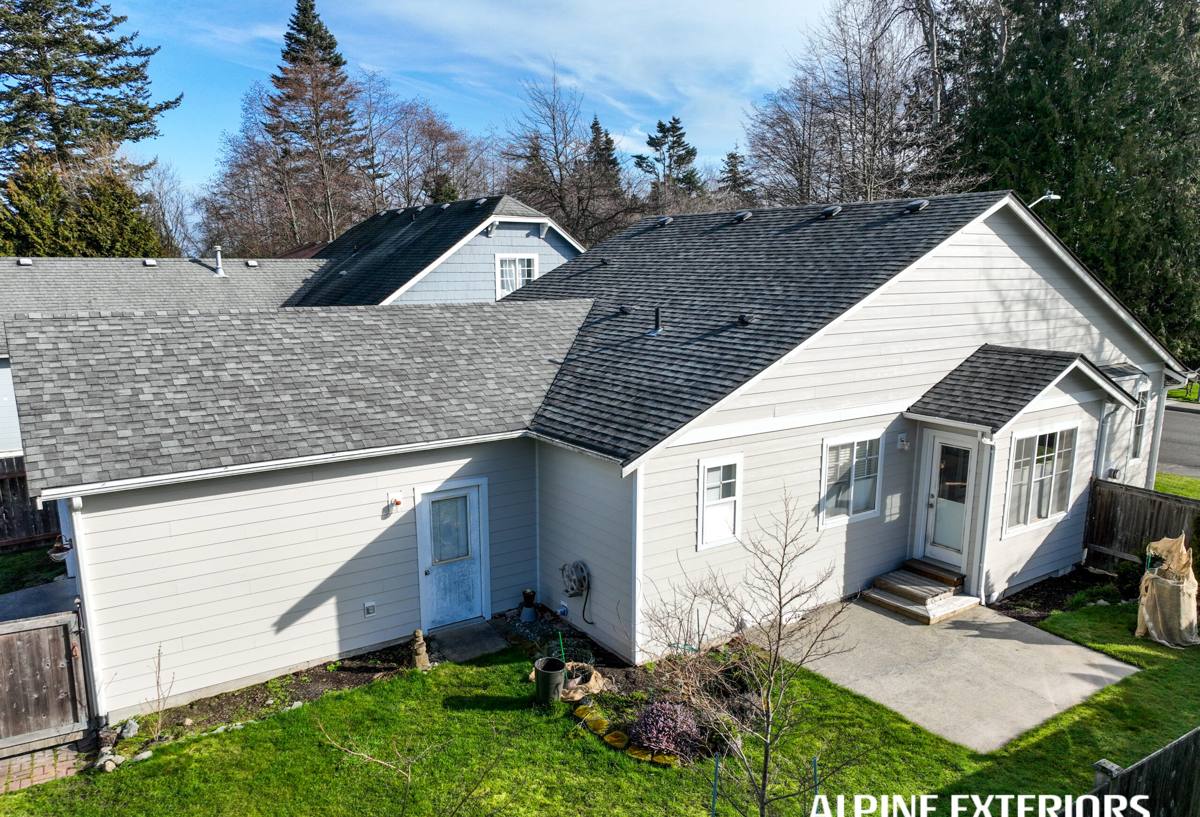
Sun, Salt, and Storms: The Three Forces at Work
Intense Year-Round UV
Florida's latitude and long day length mean siding here takes in significantly more cumulative sun exposure annually than siding in most of the country, and it doesn't get a real winter break to recover. Lower-grade paints and factory coatings weren't engineered for that kind of load, which is why so many homes in this area show fading, chalking, or uneven color on their south- and west-facing walls well before the shaded sides of the same house show any wear at all.
Wind-Driven Rain
A house can shed vertical rain without much trouble. Rain pushed sideways at 40, 50, or 60-plus miles an hour is a different problem — it drives into butt joints, fastener holes, and trim seams that would stay bone-dry in an ordinary rain event. Homes with aging caulk, marginal flashing, or a siding product that wasn't detailed correctly at installation tend to show water intrusion at exactly those weak points after a storm season or two.
Salt Air Corrosion
Proximity to the bay and the Gulf means airborne salt settles on every exterior surface in Seminole, not just on waterfront homes. Over years, that salt accelerates corrosion on exposed fasteners and metal trim and can gradually affect certain coatings and adhesives. It's a slow, cumulative process rather than a sudden failure, but it's a real reason we think carefully about fastener specification and finish quality on every project here rather than defaulting to whatever's standard inland.
Why Siding Age and Type Matter More Here Than Elsewhere
A siding product that performs fine for twenty-five years in a mild, dry climate can show serious wear in half that time under Seminole's combination of sun, humidity, and storm exposure. That's not a knock on any particular product's engineering — it's simply a harder environment to build in, and it's why we pay close attention to how a material is actually engineered to handle heat, moisture, and wind, not just how it looks on a sample board in a showroom.
It also means the age of a home's current siding matters more here than it might elsewhere. A lot of Seminole homes were sided decades ago with whatever was standard for that era, and even siding that still looks reasonable from the curb can be hiding compromised sheathing, failed flashing, or fastener corrosion underneath. We treat every inspection as a chance to actually look under the surface, not just assess the paint.
Our Standard: James Hardie Fiber Cement, Nothing Else
We're asked regularly why we don't offer vinyl, LP SmartSide, or fiber cement brands like Cemplank or Allura. The honest answer is that we made a deliberate standardization decision based on what actually holds up under the conditions described above, and we'd rather do one product exceptionally well, with crews who install it the same correct way every time, than spread our attention across several.
Vinyl Siding
Vinyl is affordable and low-maintenance in a lot of climates, and we're not going to pretend otherwise. But it's designed to hang loosely on the wall to allow for thermal expansion, and that same looseness makes it more vulnerable to being torn off in sustained hurricane-force gusts than a rigid, mechanically fastened product. It can also soften and distort under prolonged intense heat, which is worth factoring in on a home that gets full sun exposure most of the year.
Engineered Wood
Engineered wood products like LP SmartSide have a genuine following and a real installed track record, but at their core they're still wood-fiber materials. In a climate where surfaces rarely get a long stretch of time to fully dry out, any break in the factory edge seal — an unsealed field cut, a cracked fastener location, a joint that opens up over time — creates a path for the wood core to absorb moisture and swell. That's a product that punishes maintenance gaps, and gaps happen even with attentive homeowners.
Other Fiber Cement Brands
Fiber cement isn't a single interchangeable category. We standardized on James Hardie specifically because of its climate-engineered HZ product lines, built for humid and moisture-heavy regions like ours; its factory-applied ColorPlus finish, which resists the fading and chalking that field-painted or lower-grade coatings show under Florida sun; and the depth of its published installation specs and warranty backing. It's also non-combustible, which comes up often enough in homeowner conversations that it's worth stating plainly.
Cost Factors for a Seminole Siding Project
Every home is different, and we won't quote a number without seeing the property, but the factors below are what actually move a siding project's cost up or down.
| Factor | Why It Matters |
|---|---|
| Home size and number of stories | More surface area and taller elevations mean more material and labor, plus added equipment for multi-story access |
| Condition of the sheathing underneath | Rot or water damage found during tear-off has to be repaired before new siding goes on, which affects both cost and timeline |
| Amount of trim and architectural detail | Corner boards, window and door trim, and fascia detailing add labor time beyond flat wall coverage |
| James Hardie product line chosen | Plank, panel, and shingle profiles, along with ColorPlus versus field-painted options, carry different material costs |
| Existing siding removal complexity | Multiple layers of old siding or extensive prior repairs can add time to the tear-off phase |
What Our Process Looks Like
Every project starts with a walk of the exterior to see what's actually happening beneath the current siding, not just what's visible from the street. On older homes, that means checking for soft spots near window and door trim, examining flashing at roof-to-wall transitions, and looking at how water has historically moved around the foundation. Once we know what we're dealing with, installation follows James Hardie's published fastening, clearance, and joint-treatment specifications closely — that's not optional detail work, it's the difference between fiber cement that performs for decades and fiber cement that develops the same problems as a poorly installed product.
What a Typical Project Includes
- Exterior inspection and moisture check before any tear-off begins
- Removal of existing siding and inspection of the sheathing underneath
- Repair or replacement of any damaged sheathing or framing found during tear-off
- Installation of a proper water-resistive barrier and correctly integrated flashing
- James Hardie plank, panel, or shingle siding installed to manufacturer spec and local wind code
- Trim, corner boards, and fascia work matched to the chosen Hardie product line
- Final walkthrough covering caulking, touch-up needs, and ongoing care instructions
Beyond Siding: Roofing, Windows, and Decks in the Same Climate
Siding problems rarely show up in isolation from the rest of a home's exterior. We handle roofing, windows, and decks in addition to siding, because the same sun, salt, and storm exposure that wears on siding is working on those systems too, and they interact more than most homeowners realize — a roof-to-wall flashing detail is really a shared roofing and siding concern, and window flashing integration determines whether new siding actually stays dry around openings. When we quote a siding project in Seminole, we look at the whole exterior envelope, and we'll tell you honestly if something else needs attention before or alongside the siding work.
Why a Local Crew Matters in Pinellas County
Good siding installation comes down to details that never show up in a sales brochure — how flashing is lapped, how much clearance is left above grade and at roof lines, whether cut ends are sealed, whether fasteners are driven to the correct depth for our wind zone. A crew that works this county regularly has already seen how those details play out on Seminole's specific mix of housing stock, under real storm conditions, not theoretical ones. That matters more here than in milder markets, because wind-driven rain and salt air find weak points that a gentler climate would let slide for years without consequence.
It also matters for permitting. Pinellas County's wind zone requirements shape fastening schedules and product specifications, and a contractor who pulls permits here regularly knows what local inspectors expect rather than defaulting to a generic national standard that may not meet code.
Warning Signs Worth a Second Look
- Paint that's chalking, fading unevenly, or peeling faster on sun-facing walls
- Soft or spongy spots when pressing on siding near windows, doors, or the lowest courses
- Visible gaps, warping, or buckling in siding panels, especially after storm season
- Rust streaks or corrosion showing up around fasteners and trim
- Musty odors or staining on interior walls that back up to exterior siding
- Siding older than 20-25 years with no documented replacement history
None of these signs automatically mean a full replacement is needed, but each one is worth a professional look before the next storm season rather than after damage has already worked its way into the sheathing and framing.
If you're in Seminole and thinking about siding, roofing, windows, or decks, we're happy to take a look and walk you through what we see — no pressure, no hard sell, just a straightforward assessment and an honest number using the form below.