 Clearwater Siding
 Belleair Bluffs: A Small Community That Takes a Big Weather Beating
Belleair Bluffs is one of the smaller cities tucked into Pinellas County, sitting close to the Intracoastal Waterway and a short drive from the barrier island beaches. That location is part of what makes it such a desirable place to live — but it's also exactly why homes here take on more exterior wear than a house thirty miles inland. Being this close to open water means near-constant exposure to salt-laden air, intense sun reflecting off the water, and the full force of whatever comes off the Gulf during storm season.
We work throughout the Clearwater area, and Belleair Bluffs homes show up in our schedule regularly because of that exposure. Siding, roofing, windows, and decks in this pocket of Pinellas County don't get a break from the elements the way they might elsewhere in the state. Understanding that reality is the starting point for any exterior work we do here — it shapes what materials we'll install, how we detail the installation, and what we tell homeowners to expect over the life of the product.
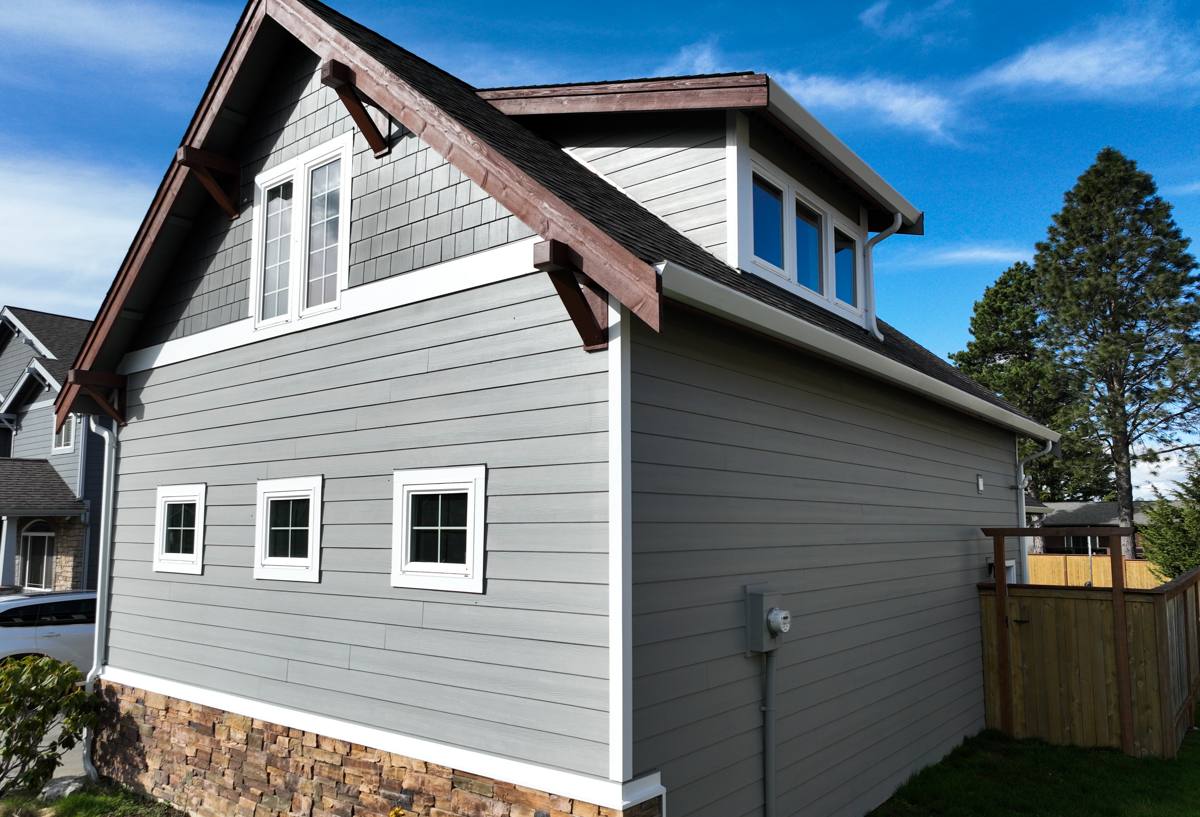
What Coastal Exposure Actually Does to a House
Salt Air and Corrosion
Salt-laden air doesn't just sit on the surface of a home — it works into fasteners, trim joints, and any exposed metal components. Over years, that accelerates corrosion in ways homeowners further inland simply don't deal with. Siding materials and the fasteners used to install them need to be chosen with that in mind, not treated as an afterthought.
Year-Round UV Load
Florida doesn't have an off-season for sun exposure. Siding on a Belleair Bluffs home is absorbing intense UV essentially every day of the year, not just during a few peak summer months. Cheaper finishes chalk, fade, and become brittle under that kind of sustained load. A finish that's rated for northern climates and shipped south without adjustment tends to show its age fast here.
Wind-Driven Rain
It's rarely straight-down rain in this part of Florida — wind pushes rain sideways and up under laps, trim, and penetrations. Siding systems that rely on a tight, well-sealed installation to keep water out are only as good as the crew installing them. This is where a lot of exterior problems actually originate: not bad material, but water finding a gap that shouldn't have been left open.
Hurricane-Force Wind Events
Pinellas County sits squarely in an active hurricane corridor, and a coastal-adjacent community like Belleair Bluffs feels wind events more acutely than inland neighborhoods. Siding has to hold up under sustained high wind and wind-borne debris, and the fastening schedule matters just as much as the product itself. We install to the wind ratings and fastening patterns the product is engineered for — not a shortcut version.
Why We Install Only James Hardie Fiber Cement Siding
We made a decision a while back to stop installing vinyl, LP SmartSide, primed wood, cedar, and other fiber cement brands like Cemplank or Allura. That's not a marketing position — it's a practical one, built on what actually holds up under Pinellas County's combination of UV, salt air, humidity, and storm wind.
James Hardie fiber cement is non-combustible, dimensionally stable in heat and humidity swings, and available in HZ5 product lines specifically engineered for high-humidity, storm-prone climates like ours. The ColorPlus factory-applied finish is baked on under controlled conditions and carries its own finish warranty, which matters a lot in a climate that's brutal on paint. We're not going to tell you every other product is worthless — vinyl is inexpensive, wood has real curb appeal, LP SmartSide has its fans. But we build our reputation on what we install staying solid ten and twenty years out, and for a coastal Pinellas County home, Hardie is what we're willing to put our name behind.
How Siding Materials Compare for This Climate
| Material | Coastal/UV Durability | Moisture Behavior | Maintenance |
|---|---|---|---|
| Vinyl | Fades and can warp under sustained heat/UV | Sheds water but can trap moisture behind panels | Low, but limited repair options once damaged |
| Primed Wood / Cedar | Attractive but vulnerable to UV and humidity over time | Absorbs moisture, prone to rot without diligent upkeep | High — regular repainting and sealing |
| LP SmartSide (engineered wood) | Better than raw wood, still sensitive to sustained moisture exposure | Edge and cut-end sealing is critical; failures often start there | Moderate — caulking and touch-up over time |
| James Hardie Fiber Cement | Engineered for heat, humidity, and UV; HZ5 line built for this climate | Doesn't absorb water like wood-based products; stable in swings | Low — factory finish holds color, occasional wash |
Our Siding Process for Belleair Bluffs Homes
Assessment First
Before we talk product or price, we look at the actual condition of the home — the current siding, trim, sheathing where accessible, and any signs of past water intrusion. A house near the water that's had chronic moisture issues needs that addressed before new siding goes on, not covered up by it.
Installation Detail Work
The difference between siding that lasts and siding that fails early is almost always in the details: proper flashing at windows and doors, correct fastener spacing and type for coastal exposure, rainscreen or drainage plane where called for, and factory-mitered or properly sealed joints. We follow James Hardie's published installation specifications because that's what keeps the manufacturer's warranty intact — and because it's simply the right way to do the work.
Finish and Final Walkthrough
With ColorPlus pre-finished siding, there's no on-site painting required, which removes a common failure point. We walk the completed job with the homeowner before calling it done, checking trim lines, caulking, and overall fit against what was scoped.
Roofing, Windows, and Decks: The Rest of the Exterior Envelope
Siding doesn't work in isolation — it's one piece of the exterior envelope that has to work together to keep a Belleair Bluffs home dry and protected. We handle roofing, windows, and decks alongside siding for that reason.
- Roofing: The roof and siding meet at flashing points that are common water entry spots if not detailed correctly; we account for how the two systems interact.
- Windows: Window flanges and the siding around them need to be integrated properly — a beautiful siding job around a poorly flashed window will still leak.
- Decks: Outdoor living space in this climate needs materials and fasteners that can take the same salt air and UV exposure as the siding, and we build accordingly.
Handling multiple parts of the exterior means fewer seams between trades, fewer "that's not my scope" gaps, and one crew accountable for how everything ties together.
Signs a Belleair Bluffs Home May Need Exterior Attention
- Visible fading, chalking, or discoloration on siding that used to look uniform
- Soft spots, bubbling, or warping anywhere on the exterior wall surface
- Cracked or separating caulk lines around windows, doors, or trim
- Streaking or staining below roof lines or gutter seams
- Rust bleed around fasteners or metal trim components
- Musty smell or visible staining on interior walls that back up to exterior siding
- Siding that flexes or feels hollow when pressed near seams
Any one of these on its own might be minor. Several together, especially on a home that's had a few storm seasons pass without an exterior check, are worth a professional look before they turn into a bigger repair.
What Influences the Cost of a Siding Project
| Factor | Why It Matters |
|---|---|
| Home size and wall area | More square footage means more material and labor time |
| Existing siding removal | Tear-off of old vinyl, wood, or damaged fiber cement adds labor and disposal cost |
| Wall complexity | Dormers, multiple gables, and cut-ins take more time than flat wall runs |
| Sheathing/moisture repair | Rot or water damage found underneath old siding needs to be fixed before new siding goes on |
| Trim and accessory details | Corner boards, frieze boards, and window trim add material and installation time |
| Product line and profile | HZ5 lines and certain plank profiles or colors carry different material costs |
We give real numbers after we've actually looked at the house — not a phone estimate based on square footage alone, since the details above can shift a project significantly.
Why Working With a Local Crew Actually Matters
A contractor based near Clearwater and working regularly in Pinellas County communities like Belleair Bluffs has seen how these homes age under this specific combination of sun, salt, humidity, and storm exposure. That's different from working off a general national installation guide. We know which details tend to fail first in this climate because we've seen the callbacks and the ten-year-old installations, both done right and done wrong. That experience shapes how we scope and install every job, not just the ones on the water.
There's also the practical side: a local crew is reachable after the job is done, familiar with local permitting, and not disappearing to the next state over once the invoice is paid.
Getting Started
If your Belleair Bluffs home's siding, roof, windows, or deck are showing wear — or you're just not sure what condition they're really in — we're glad to take a look. We offer free, no-pressure estimates, and we'll give you an honest read on what your home actually needs, not just an upsell.