 Clearwater Siding
 Exterior Conditions in the Sunset Point Area
Sunset Point sits inside Clearwater, close enough to the water that homes here deal with a different set of exterior pressures than houses further inland in Pinellas County. Between Old Tampa Bay to the east and the Gulf just a few miles west, this part of Clearwater gets a steady dose of salt-laden air, thick humidity, and afternoon storm cells that roll in fast during the summer months. Add in the intense, near-constant Florida UV load and the wind-driven rain that comes with tropical systems, and you've got a climate that is genuinely hard on siding, roofing, windows, and any exterior material that isn't built for it.
Homes in this neighborhood range from older mid-century construction to newer builds, but the exterior challenges are the same regardless of age: moisture intrusion at seams and penetrations, coatings that chalk and fade under UV, and materials that swell, rot, or corrode when salt air gets into places it shouldn't. We've built our whole approach around that reality.
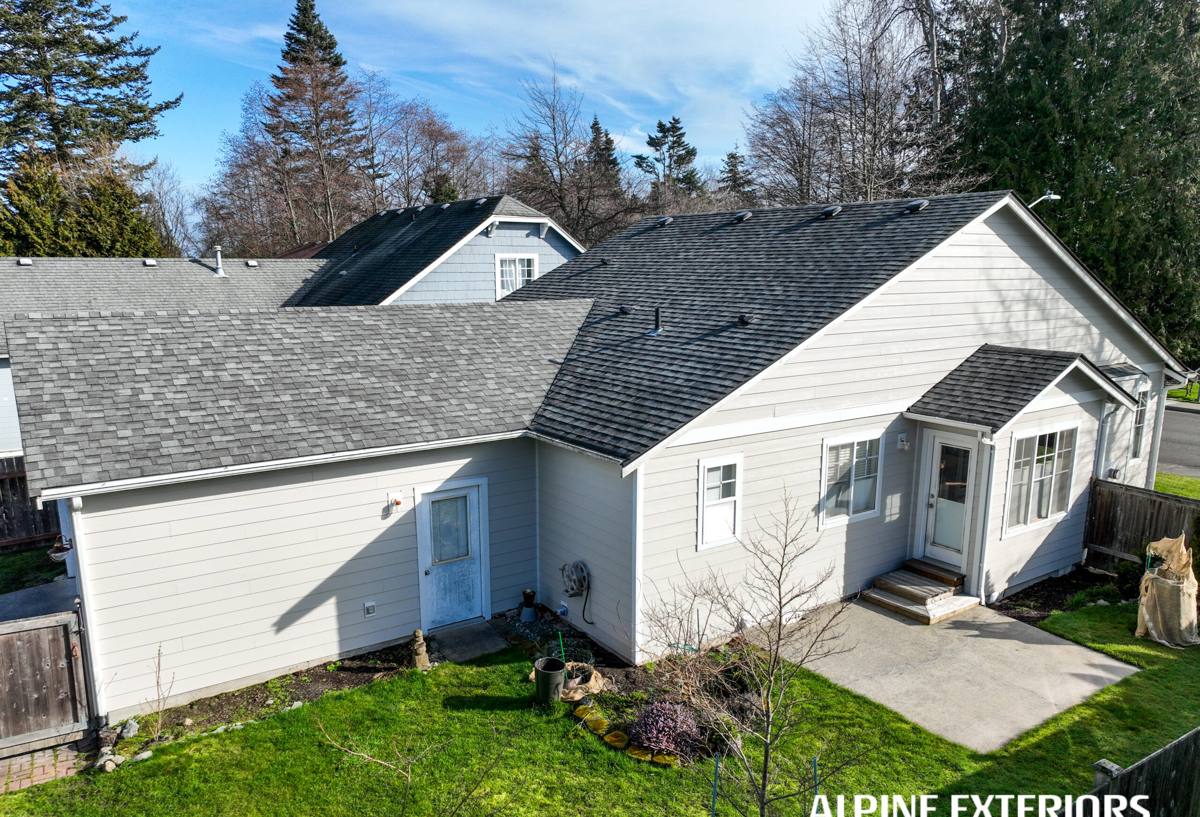
Why We Only Install James Hardie Fiber Cement Siding
We made a decision a long time ago to stop installing anything other than James Hardie fiber cement siding, and we stand behind that on every job we quote in Clearwater, including Sunset Point. That means no vinyl, no LP SmartSide, no Cemplank or Allura, and no primed spruce or cedar. It's not that every one of those products is worthless everywhere in the country — it's that in this specific climate, they carry trade-offs we're not willing to put our name behind.
What we're avoiding by skipping the alternatives
- Vinyl siding softens, warps, or blows off in sustained high wind and doesn't hold up structurally the way fiber cement does
- Wood-based composite siding (like LP SmartSide) is an engineered wood product — if moisture gets past a seam or fastener, it can swell and deteriorate from the inside where you can't see it
- Other fiber cement brands (Cemplank, Allura) may be dimensionally similar to Hardie, but they don't carry the same factory-applied finish system or the track record we've seen hold up on real coastal homes
- Primed wood or cedar requires ongoing painting and caulking discipline that most homeowners don't keep up with, and salt air accelerates the failure of any gap in that maintenance
James Hardie is a non-combustible fiber cement product, which matters in a state where wildfire risk is lower but lightning-sparked fires and neighboring structure fires still happen. More relevant to Sunset Point specifically, Hardie's HardieZone (HZ) product system is engineered for humid, high-moisture climates like ours, and the ColorPlus factory finish is baked on under controlled conditions rather than field-painted, which gives it a more consistent, longer-lasting bond than site-applied paint.
How Hardie Siding Holds Up Against What Sunset Point Homes Face
Wind and storm exposure
Clearwater sits in a hurricane-exposed part of the Gulf coast, and homes in Sunset Point are close enough to open water that wind loading is a real design consideration, not a theoretical one. Fiber cement siding is heavier and more rigid than vinyl, and when it's installed with the correct fastening pattern and clearances, it resists wind uplift and flying debris impact far better than lighter cladding materials.
UV and fading
Florida sun is intense year-round, not just in summer, and a lot of siding failures we see on other homes are really coating failures — the color fades or chalks long before the underlying material fails. ColorPlus finish is formulated and tested specifically for UV resistance, which is why Hardie backs it with its own finish warranty separate from the substrate warranty.
Salt air and moisture
Salt air is corrosive to metal fasteners and trim, and it accelerates the breakdown of coatings and adhesives. Fiber cement itself doesn't rot, rust, or attract wood-boring insects, which takes one major failure mode off the table entirely for homes this close to the water.
Wind-driven rain
Wind-driven rain doesn't just fall on a wall — it gets pushed into laps, seams, and penetrations. This is where installation quality matters as much as the product itself, which is why our process leans heavily on proper flashing, house wrap detailing, and manufacturer-specified clearances rather than just nailing panels to a wall.
Our Process for a Sunset Point Siding Project
- On-site assessment — we look at your existing siding or substrate, check for moisture damage, and evaluate what's driving the need for replacement
- Product and color selection — we walk through the relevant Hardie HZ product line and ColorPlus color options for your home and neighborhood
- Written estimate — a clear scope of work, materials, and cost before any commitment
- Prep and installation — proper house wrap or weather-resistive barrier, correct flashing at windows, doors, and penetrations, and fastening to Hardie's published specifications
- Final walkthrough — we go over the finished work with you before calling the job done
We don't subcontract siding installs out to whoever's available that week. The crew that shows up to your Sunset Point home is trained specifically on Hardie installation, because fiber cement is less forgiving of shortcuts than vinyl — gaps, wrong fastener spacing, or missing flashing details show up as real problems years later, usually right around the time the warranty conversation gets complicated.
Beyond Siding: Roofing, Windows, and Decks
Siding doesn't work in isolation. It's one part of a home's exterior envelope, and in a climate like Clearwater's, the roof, windows, and siding all need to work together to keep wind-driven rain and humidity out. We handle roofing, window replacement, and deck work in addition to siding, which means when we're on a Sunset Point property we can flag related issues — a roof edge detail that's letting water behind the siding, or a window that's no longer sealing correctly — instead of just addressing the one thing we were called for.
This matters most at transition points: where the roofline meets a wall, where a window is set into a siding field, or where a deck ledger board attaches to the house. Those are the spots where most real-world water intrusion problems start, and they're easy to miss if the contractor doing your siding has never had to think about roofing or windows.
What Affects Siding Project Cost
| Factor | Why It Matters |
|---|---|
| Home size and wall complexity | More square footage, corners, and architectural detail means more material and labor |
| Existing substrate condition | Rotted sheathing or hidden moisture damage found during tear-off adds repair scope |
| Hardie product line selected | HardiePlank lap, HardieShingle, and panel systems differ in material and install time |
| Trim and accent work | Window trim, fascia, and decorative elements add labor beyond flat wall siding |
| Access and site conditions | Lot size, landscaping, and how close the home is to neighboring structures affect setup time |
| Tear-off vs. overlay | Full removal of old siding costs more upfront but avoids covering up hidden problems |
We don't publish flat pricing because these variables genuinely change the number from one Sunset Point home to the next — a straightforward one-story ranch and a two-story home with a lot of gables and dormers are not the same project. A written, itemized estimate after we've actually looked at your home is the only honest way to price it.
What to Look For Before Hiring a Siding Contractor
- Are they a certified or factory-trained installer for the specific product they're proposing, not just "familiar" with it
- Do they give you a written scope of work, not just a total dollar figure
- Will they show you the flashing and moisture-barrier details they plan to use, not just the visible panel
- Do they carry current licensing and insurance appropriate for exterior contracting in Florida
- Are they willing to explain trade-offs between products instead of just pushing the cheapest option
- Do they have a physical, local presence in Pinellas County, not just a sales office
Why a Local Clearwater Crew Matters
A siding install in Sunset Point isn't the same job as a siding install in a dry inland climate, and a crew that mostly works elsewhere doesn't always carry the habits that matter here — tighter flashing details, correct clearances at grade, and fastening patterns that account for storm-force wind. Being based in Clearwater also means we're available for a follow-up walk if something comes up after a big storm, and we're not disappearing to the next state once the invoice is paid. Pinellas County's building requirements and inspection process are also something a local crew navigates routinely rather than learning on your project.
If you're weighing a siding replacement, a roof issue, aging windows, or deck repair on a Sunset Point home, we're glad to come take a look and give you a straight answer about what it needs. Reach out for a free, no-pressure estimate — there's a form right below to get started.