 Clearwater Siding
 Working the Beach Side of Pinellas County
Indian Rocks Beach sits in a different exposure category than homes even a few miles inland. The barrier island setting means salt-laden air, near-constant onshore wind, and direct sun off the Gulf hit these homes harder and more often than homes tucked farther into Clearwater proper. We're a local Clearwater-based crew, and Indian Rocks Beach is part of the service area we work regularly — not a stretch job we take once and disappear from. That matters when a homeowner has a question six months after installation, or when a warranty claim needs a contractor who's still around and still local.
This page covers what we see on siding, roofing, windows, and decks in this specific stretch of coastline, and how we approach exterior work here differently than we would on a house twenty miles inland.
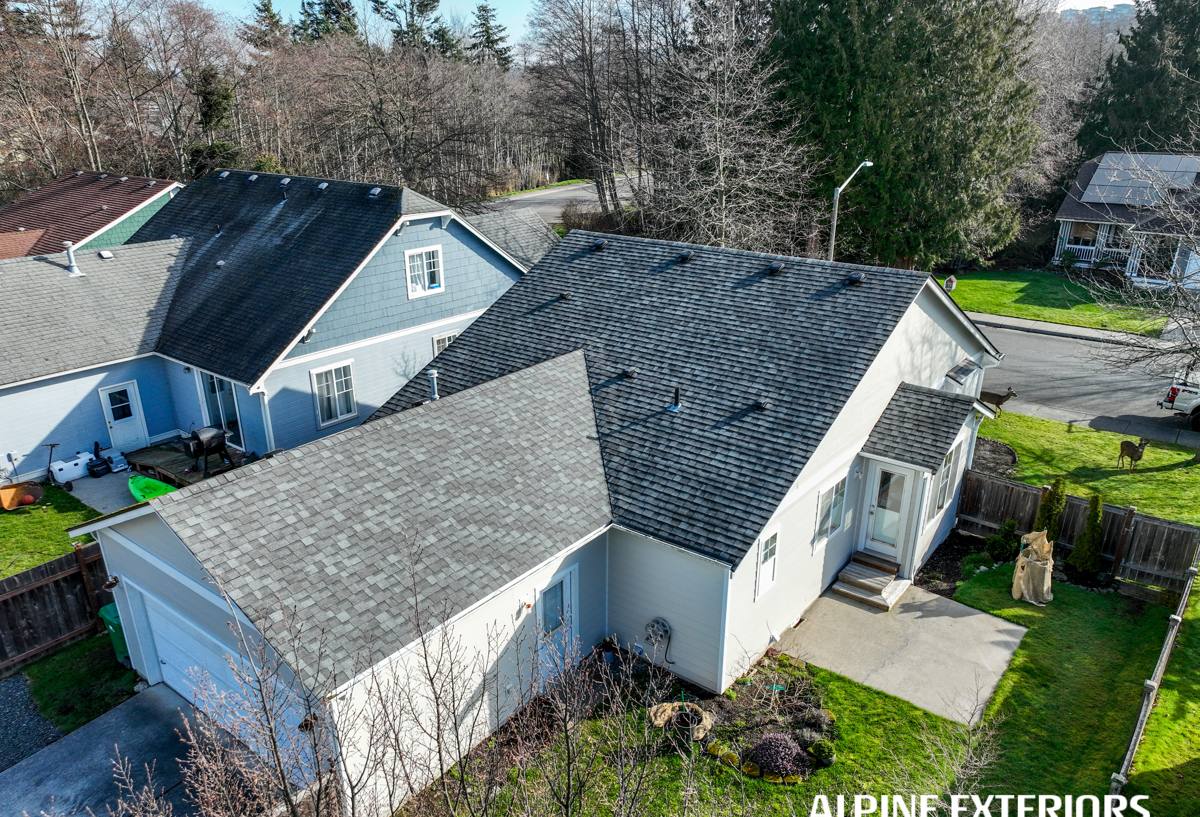
What the Coastal Climate Actually Does to a Home
Every exterior material on an Indian Rocks Beach home is fighting the same four things at once: intense year-round UV, wind-driven rain, salt air, and the threat of hurricane-force wind. None of these are occasional here — they're the baseline.
UV and Heat
Florida sun breaks down pigments and resins faster than almost anywhere else in the country. Siding, trim, and paint that would hold color for a decade in a milder climate can chalk, fade, or go brittle in a fraction of that time on the Gulf side of Pinellas County.
Wind-Driven Rain
It's rarely straight-down rain here. Storms push moisture sideways, into laps, seams, and any gap in the building envelope that wasn't sealed correctly. Materials that only perform well when water sheds straight down struggle in this kind of weather.
Salt Air
Being close to the Gulf means airborne salt settles on every exterior surface, day after day. It accelerates corrosion of fasteners and hardware and degrades finishes that weren't engineered with a coastal environment in mind.
Hurricane Wind Loads
Pinellas County building code reflects the real risk of tropical storms and hurricanes making landfall or brushing close enough to do damage. Fastening patterns, wind ratings, and installation method aren't optional details on a barrier island home — they're the difference between siding that stays put and siding that doesn't.
Why We Install Only James Hardie Fiber Cement
We made a decision as a company to install James Hardie fiber cement siding exclusively, and we don't deviate from that even when a customer asks about cheaper alternatives. That's not a marketing line — it's a standard we hold because of what we've seen hold up in this climate and what hasn't.
Fiber cement is non-combustible, which matters on its own, but the bigger factor for a home like one in Indian Rocks Beach is moisture behavior. James Hardie's HZ5 product line is engineered specifically for high-humidity, storm-prone climates like Florida's, with a manufacturing process and factory-applied ColorPlus finish designed to resist the UV fade and moisture intrusion that plague other siding materials here.
We don't install vinyl siding, LP SmartSide, or engineered wood products. Vinyl can warp and become brittle under sustained heat and UV exposure, and it has real limits in high-wind installations. Engineered wood and OSB-based siding products are wood at their core — they depend entirely on an unbroken paint film and correct field sealing to keep moisture out, and in a climate with this much wind-driven rain and salt exposure, that margin for error is thinner than we're willing to accept on a house we put our name on. James Hardie's fiber cement composition doesn't share that vulnerability, and it carries a strong transferable warranty backed by a manufacturer with decades of track record in coastal markets.
This isn't about any one product being universally bad — it's about what we've decided is worth standing behind on homes exposed to this specific combination of sun, salt, and storm risk.
How We Approach a Siding Project Here
A siding installation in Indian Rocks Beach isn't identical to one we'd do in a more sheltered inland neighborhood, and we treat it that way.
- We check the existing wall assembly for moisture damage before anything new goes up — coastal homes are more likely to have hidden water intrusion behind old siding.
- We follow James Hardie's HZ5 installation specifications, including fastener type, spacing, and clearance requirements suited for high-wind zones.
- We pay close attention to flashing and water management details around windows, doors, and roof intersections, since wind-driven rain finds every shortcut.
- We use corrosion-resistant fasteners and hardware appropriate for salt air exposure, rather than standard-grade materials that will corrode faster this close to the Gulf.
- We factor local wind load requirements into the installation rather than treating code minimums as a ceiling.
Being a local crew means we're familiar with how Pinellas County inspections and permitting work for exterior projects, and we're not learning the coastal-specific installation requirements on your house for the first time.
Beyond Siding: Roofing, Windows, and Decks as One System
Siding doesn't work in isolation. On a coastal home, siding, roofing, windows, and decks all take the same environmental beating, and problems in one area often show up as damage in another. A compromised roof edge can send water behind siding. Failing window flashing can rot the wall assembly around it. A deck exposed to the same salt air and sun needs materials and fasteners chosen with the same logic we apply to siding.
Because we handle all four — siding, roofing, windows, and decks — we look at an Indian Rocks Beach home as one connected exterior rather than a set of unrelated trades. That matters most at the transitions: where a roof meets a wall, where a window is set into siding, where a deck ties into the house structure. Those are the spots that fail first when different contractors handle each piece without coordinating.
Cost Factors for Coastal Siding Projects
Every home is different, but the factors that move a siding project's cost up or down in a coastal setting like Indian Rocks Beach tend to be consistent. This is meant as a general guide, not a quote — actual pricing depends on a walk-through of your specific home.
| Factor | Why It Matters Here |
|---|---|
| Existing wall condition | Hidden moisture damage behind old siding on coastal homes often means additional repair before new siding goes on |
| Home size and complexity | More corners, dormers, and roof lines mean more flashing detail and labor, especially on wind-rated installations |
| Fastener and hardware grade | Corrosion-resistant hardware suited for salt air costs more than standard-grade fasteners but lasts longer here |
| James Hardie product line and finish | Panel style, plank width, and ColorPlus finish selection affect material cost |
| Access and site conditions | Narrow lots, elevated homes, and limited staging space common on barrier island properties can affect labor time |
| Permitting and wind-load documentation | Pinellas County coastal permitting requirements add administrative and inspection steps |
Maintaining Siding, Roofing, Windows, and Decks in This Climate
Correct installation gets a coastal home most of the way there, but ongoing upkeep matters more here than in milder climates. A short list of habits goes a long way:
- Rinse salt residue off exterior surfaces periodically, especially after storms with heavy onshore wind.
- Inspect caulking and sealant around windows and door openings at least once a year, since UV and salt air break down sealants faster here.
- Walk the roofline after any significant wind event to check for lifted or displaced material.
- Check deck fasteners and hardware for corrosion, particularly on structures close to the water.
- Keep gutters and downspouts clear so wind-driven rain has a clear path off the structure instead of pooling near siding and trim.
- Address any small crack, gap, or soft spot immediately — in this climate, small issues become moisture problems fast.
Choosing a Contractor for a Barrier Island Home
Indian Rocks Beach homeowners have plenty of contractors to choose from, and it's worth being selective. A few things worth checking before hiring anyone for exterior work here:
- Confirm active licensing and insurance appropriate for exterior contracting work in Florida.
- Ask directly what siding products they install and why — a contractor who installs everything usually isn't specializing in what performs best in this specific climate.
- Ask how they handle flashing and water management at windows, doors, and roof transitions, not just the field of the wall.
- Confirm they're familiar with Pinellas County wind-load and permitting requirements for coastal properties.
- Ask whether they're a local crew that will still be reachable if a warranty issue comes up down the road.
A contractor's answers to those questions tell you more than a glossy brochure ever will.
Local, Accountable, and Built for This Coastline
We're a Clearwater-based crew that works Indian Rocks Beach regularly, not a company passing through. When we install James Hardie fiber cement siding on a home here, we're doing it with this specific coastline's sun, salt, and wind in mind — not a generic installation applied the same way everywhere in the state.
If you're weighing a siding project, or want a second opinion on your roof, windows, or deck, we're happy to walk the property with you and give you a straight, no-pressure assessment. There's a form below to request a free estimate whenever you're ready.