 Clearwater Siding
 Safety Harbor's Spot on Tampa Bay Comes With a Weather Bill
Safety Harbor sits along Old Tampa Bay, tucked into the northeast corner of Pinellas County between Clearwater and the mainland. That waterfront location is a big part of what makes the town appealing, but it also means homes here take on a specific combination of stresses that inland Florida properties don't deal with in the same way. Bay-facing exposure, dense tree canopy in older neighborhoods, and a mix of mid-century homes and newer construction all add up to an exterior that has to work hard year-round.
When we talk with homeowners in Safety Harbor about siding, roofing, windows, or decks, the conversation almost always comes back to the same four things: wind, rain, sun, and salt. None of them are unique to this one town, but the bay frontage and the humidity that sits over this part of the county make all four a little more aggressive here than they are ten or fifteen miles inland.
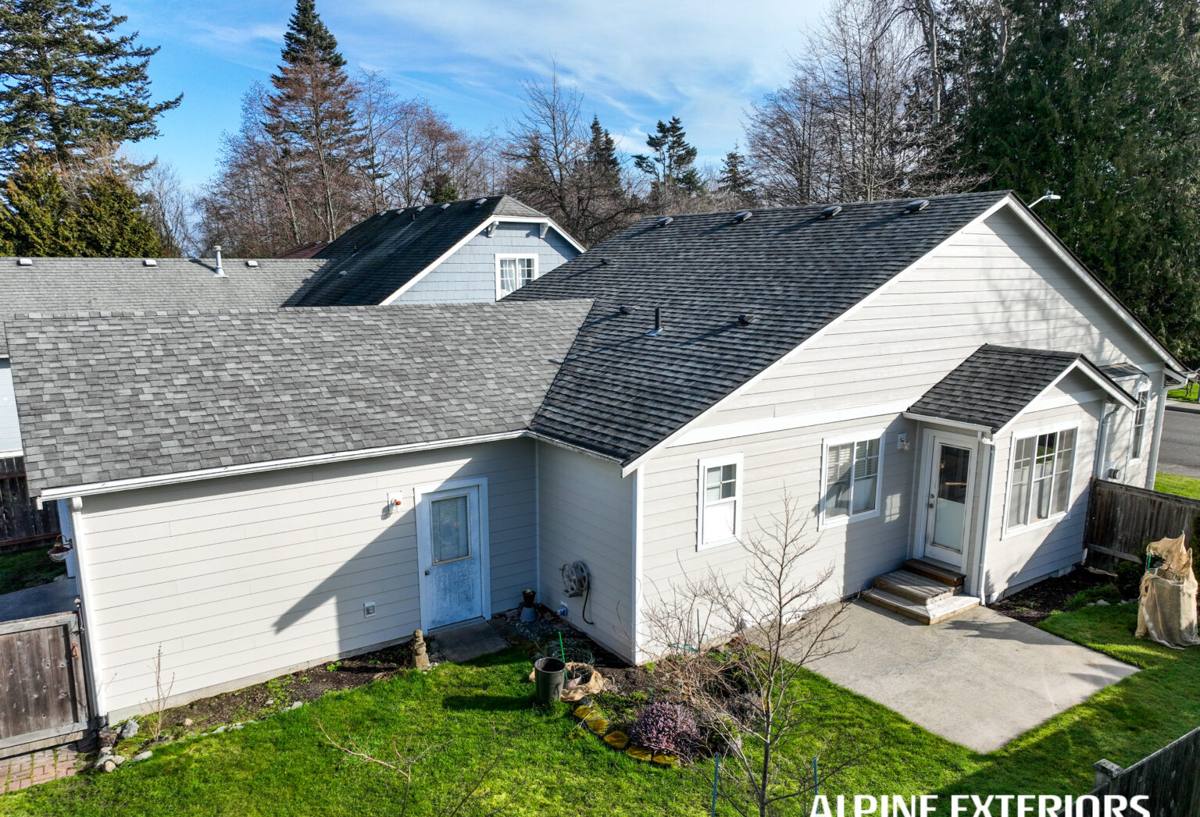
Hurricane-Force Wind Is a Design Requirement, Not a Worst-Case Scenario
Pinellas County sits in a wind zone that assumes tropical storm and hurricane-force gusts are a matter of when, not if. That reality shapes how we think about every exterior product we put on a house, starting with fastening patterns and moving all the way through to how trim and flashing details are handled at corners and openings.
Siding that isn't rated or installed for these wind loads doesn't fail gracefully. Panels lift, edges peel, and once wind gets behind a piece of siding it usually takes more of the wall system with it on the way down. That's true whether the underlying material is vinyl, engineered wood, or fiber cement installed to a lower standard than the manufacturer requires. The fix isn't a fancier product — it's installing a product engineered for this wind zone, to the fastening schedule that product actually specifies.
Wind-Driven Rain Finds Every Gap
Wind and rain rarely show up separately here. During a tropical system, or even a strong summer thunderstorm rolling off the bay, rain doesn't just fall — it gets pushed sideways into siding, window frames, and roof edges. That's a different problem than ordinary rainfall, because it tests every seam, joint, and penetration in the exterior envelope rather than just the horizontal surfaces.
This is why house wrap, flashing, and proper gapping matter as much as the siding material itself. A premium siding panel installed over sloppy water management will still let moisture into the wall cavity. We treat the water-resistive barrier and flashing details as part of the siding job, not an afterthought, because in a wind-driven rain event that's usually where problems start.
Salt Air Doesn't Stop at the Waterfront
Being on the bay rather than directly on the Gulf doesn't exempt Safety Harbor homes from salt exposure. Salt-laden air moves inland on prevailing winds, and it settles on siding, trim, fasteners, and metal roofing components even blocks away from the water. Over years, that salt accelerates corrosion of untreated metal fasteners and trim, and it contributes to the breakdown of paint films and coatings that weren't formulated to handle it.
This is one of the reasons fastener selection matters as much as the siding panel itself. Corrosion-resistant fasteners and properly rated trim accessories cost more up front, but they're what keep a salt-exposed exterior from developing rust streaks and loosening hardware years before the siding itself is due for attention.
Year-Round UV Exposure Wears Down What Wind and Rain Don't
Florida's UV index runs high nearly every month of the year, and Safety Harbor gets its full share of direct sun on south- and west-facing walls. UV breaks down pigments and resins in lower-grade paints and coatings, which is why field-painted wood and some engineered wood products show fading, chalking, and eventually cracking well before their expected service life is up.
This is a slow, cumulative kind of damage rather than a storm event, which makes it easy to underestimate. A siding system that looks fine for the first few years can still be on a fast track to needing repainting and resealing if the factory finish wasn't built for sustained UV exposure in a subtropical climate.
Why We Install Only James Hardie Fiber Cement Siding
We made a deliberate decision to install James Hardie fiber cement exclusively, and not other siding materials, because of how the combination of wind, rain, sun, and salt plays out on homes in this part of Florida over the long run.
James Hardie fiber cement is non-combustible, resists moisture-driven swelling and rot far better than wood-based products, and is engineered specifically for climate zones like ours through Hardie's HZ10 product line, which is formulated for high-humidity, high-moisture regions. The ColorPlus factory finish is baked on under controlled conditions rather than applied on-site, which gives it more consistent UV and fade resistance than field-applied paint, and it carries a warranty that reflects that durability.
We're not going to tell you every other siding product is worthless — vinyl, engineered wood, and other fiber cement brands all have a place in the market and legitimate advantages in the right application. But after years of servicing homes on the Gulf Coast, we've found that the trade-offs on maintenance, moisture tolerance, and long-term appearance consistently favor James Hardie for this climate, and we'd rather stand behind one product we trust completely than install several we have reservations about.
What This Means for a Safety Harbor Home Specifically
- HardieZone HZ10 panels are engineered for high-humidity coastal climates, which fits Safety Harbor's bay-adjacent exposure
- Fiber cement doesn't absorb water and swell the way engineered wood or untreated wood siding can
- The factory-applied ColorPlus finish holds up to sustained Florida UV better than most field-applied paint systems
- Fiber cement is non-combustible, which matters for insurance considerations as much as safety
- A transferable warranty adds real value if you sell the home down the road
Correct Installation Is What Actually Delivers the Performance
Every advantage James Hardie siding offers depends on installation matching the manufacturer's specifications, especially around wind resistance and moisture management. In a wind zone like ours, that means following the fastening schedule for the applicable exposure category, maintaining proper clearances at grade and roof lines, and using the flashing and gapping details Hardie specifies at every joint, corner, and penetration.
It also means field-cutting and sealing edges correctly, since an unsealed cut edge is one of the more common ways moisture gets into a fiber cement panel over time. None of this is exotic work, but it's detail-dependent, and skipping steps to save time on labor is exactly how a good product ends up with a mediocre result. A crew that's installed Hardie repeatedly in this specific climate and wind zone catches these details as a matter of habit, not as an extra step.
The Full Exterior Envelope: Roofing, Windows, and Decks
Siding is one piece of a home's defense against Tampa Bay weather, but it doesn't work in isolation. We also handle roofing, windows, and decks, because water intrusion and wind damage rarely respect the boundary between one exterior system and another.
A roof that's shedding water properly protects the top of your siding and fascia. Windows that are flashed and sealed correctly keep wind-driven rain from finding its way behind the siding around every opening. And a deck exposed to the same sun, rain, and salt air as your walls needs materials and fasteners chosen with the same considerations in mind. Looking at the whole envelope together, rather than treating each component as a separate project, is usually how you avoid a repair on one system undoing the protection of another.
Comparing Exterior Siding Options for a Bay-Adjacent Climate
| Factor | James Hardie Fiber Cement | Vinyl | Engineered Wood |
|---|---|---|---|
| Moisture tolerance | High — doesn't swell or rot | Doesn't absorb water, but seams can trap moisture behind panels | Vulnerable if edges or coating are compromised |
| Wind performance | Rated for high-wind installation when installed to spec | Can deform or blow off in sustained high wind if under-fastened | Similar to fiber cement when new, degrades with moisture exposure |
| UV/fade resistance | Factory ColorPlus finish, engineered for sustained sun | Can fade and become brittle over time in intense UV | Dependent on coating quality and reapplication |
| Fire resistance | Non-combustible | Combustible | Combustible |
| Salt air durability | Strong with corrosion-resistant fasteners | Generally stable, but trim and fasteners still corrode | Coating and edge sealing are critical to longevity |
What Drives the Cost of a Siding Project Here
Every home is different, but a few factors consistently move the price of a siding job in the Safety Harbor and greater Clearwater area:
| Cost Factor | Why It Matters |
|---|---|
| Home size and wall complexity | More corners, gables, and dormers mean more cutting, flashing, and labor time |
| Existing siding removal | Tear-off of old wood, vinyl, or damaged siding adds labor and disposal cost |
| Substrate condition | Rotted sheathing or framing found during removal needs repair before new siding goes on |
| Panel profile and finish | Lap width, texture, and ColorPlus color selection affect material cost |
| Trim and accessory scope | Corner boards, window trim, and soffit work add to the total project |
What to Ask Before Hiring a Siding Contractor in This Area
- Are they licensed and insured to work in Pinellas County, and can they provide proof?
- Do they install to the manufacturer's published fastening and flashing specifications for our wind zone, or their own shortcut version?
- Will they put the warranty terms — both material and labor — in writing before work starts?
- Do they have experience specifically with fiber cement, not just siding installation in general?
- Can they explain how they'll handle water management details at windows, corners, and the roofline?
A contractor who can answer these clearly, without vague reassurances, is usually one who takes the wind and moisture side of this work as seriously as the finished appearance.
If you're weighing siding, roofing, window, or deck work on a Safety Harbor home, we're happy to take a look and talk through what your house actually needs — no pressure, no obligation. Use the form below to request a free estimate.