 Clearwater Siding
 Safety Harbor's Siding Has a Harder Job Than Most People Realize
Safety Harbor sits along Old Tampa Bay, which means homes here deal with a specific combination of stresses that inland Florida neighborhoods don't see to the same degree. You've got salt-laden air drifting off the bay, near-constant humidity, intense year-round UV exposure, and the real possibility of hurricane-force wind and wind-driven rain during storm season. Siding is your home's primary barrier against all of it, and in this part of Pinellas County, that barrier gets tested more often than a warranty pamphlet would suggest.
A siding replacement here isn't just a cosmetic upgrade. It's a chance to correct whatever the original installation got wrong and put a system on the house that's actually built for this exposure. That's the lens we bring to every Safety Harbor project.
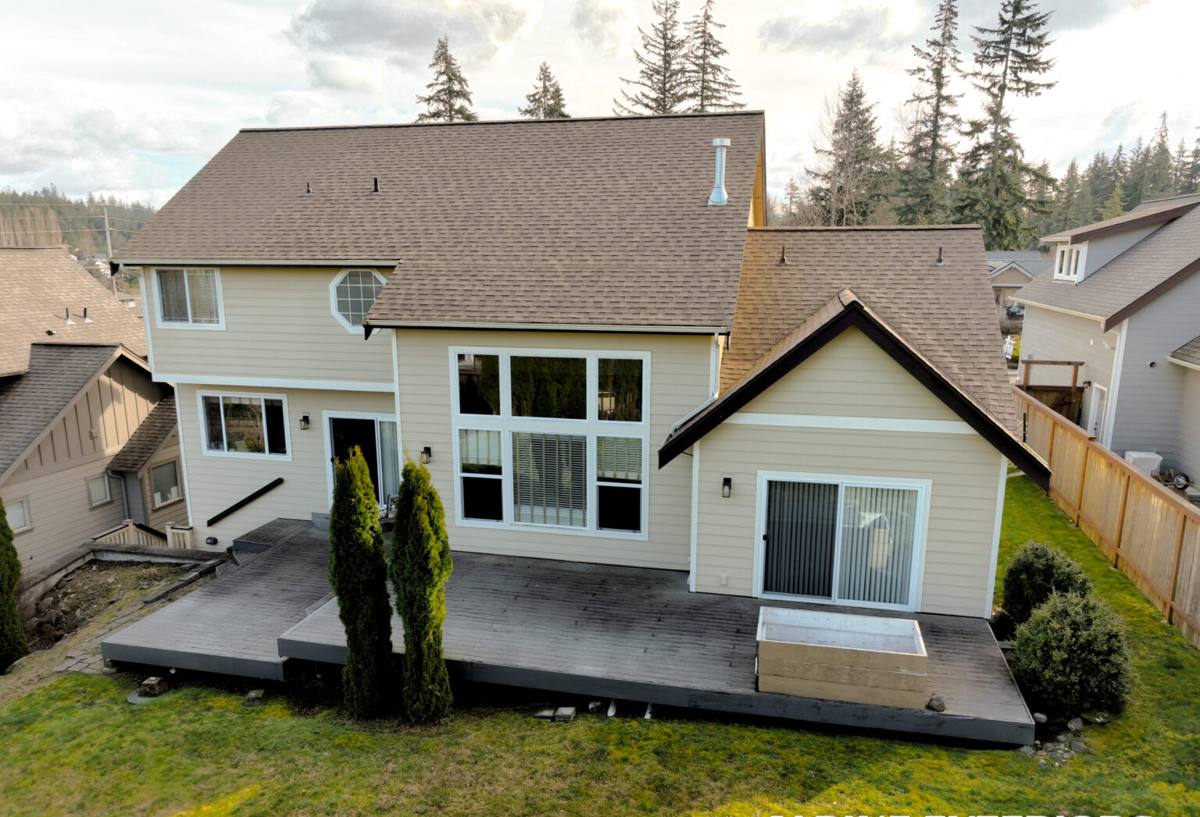
What Safety Harbor's Climate Actually Does to Siding
Salt Air and Coastal Moisture
Even a few miles inland from the bay, salt-laden humidity accelerates corrosion on fasteners, trim, and any siding product that isn't dimensionally stable. Materials that swell and contract with moisture cycles open up seams over time, and once water finds a path behind the cladding, it doesn't leave on its own.
UV and Heat
Florida sun is relentless on painted and coated surfaces. Cheaper finishes chalk, fade, and lose adhesion years before a homeowner expects to repaint. Factory-applied, baked-on finishes hold color and film integrity far longer than anything sprayed on-site or reapplied by hand.
Wind and Wind-Driven Rain
Pinellas County sees tropical storm and hurricane conditions on a near-annual basis. Wind doesn't just threaten to peel siding off the wall — wind-driven rain gets forced sideways and upward into laps, seams, and penetrations that would never see water in a normal rain event. Fastening pattern, flashing detail, and water-resistive barrier integration matter as much as the siding material itself.
Signs a Safety Harbor Home Needs Siding Replacement, Not Just Repair
- Soft or spongy spots when you press on the siding, especially near the bottom courses or around windows and doors
- Persistent staining, streaking, or dark patches that keep coming back after cleaning
- Visible warping, buckling, or panels pulling away from the wall
- Cracked or crumbling caulk at seams and trim that's been recaulked more than once or twice
- Rising energy bills with no other explanation, which often points to a compromised moisture or air barrier behind the cladding
- Interior signs — musty smells, peeling paint on interior walls, or visible mold near exterior walls
Any one of these can sometimes be spot-repaired. Several at once, or siding that's approaching or past the end of its expected service life, usually means it's time to replace rather than patch.
What a Correct Siding Replacement Actually Involves
The material you choose matters, but so does everything underneath it. A siding job done to spec in a coastal wind zone includes several layers that don't show up in a driveway estimate but absolutely show up ten years later.
Full Tear-Off and Substrate Inspection
We remove the old siding down to the sheathing so we can actually see what's there — rot, delamination, or hidden moisture damage doesn't get found by looking at the surface. Any compromised sheathing or framing gets repaired before anything new goes on. Covering up a problem with new siding just delays the discovery, at a higher cost.
Water-Resistive Barrier
A continuous, properly lapped weather-resistive barrier is the drainage plane behind the siding. In a climate with this much wind-driven rain, gaps, tears, or improperly lapped seams in this layer are one of the most common causes of hidden water intrusion.
Flashing at Every Penetration
Windows, doors, hose bibs, vents, and any other wall penetration need proper flashing integrated with the water-resistive barrier — not just caulked over. Caulk is a maintenance item, not a waterproofing strategy.
Fastening to Manufacturer and Wind-Zone Spec
Fastener type, spacing, and embedment depth all change based on your wind exposure category. Pinellas County's wind zone requirements aren't optional guidelines — they're what keeps siding on the wall in a storm, and getting them wrong is one of the most common installation failures we see when we tear off older siding.
Why We Install Only James Hardie Fiber Cement
We don't install vinyl, LP SmartSide, primed wood, or other fiber cement brands, and that's a deliberate standard, not a limitation of what we're capable of doing. In a coastal wind and humidity zone like Safety Harbor's, the trade-offs of those alternatives — moisture sensitivity, shorter-lived finishes, or performance that depends heavily on installation precision — are exactly the failure points we see homeowners paying to fix years down the road.
James Hardie fiber cement is non-combustible, dimensionally stable in humidity swings, and available in HZ5 and HZ10 formulations engineered specifically for high-moisture, high-heat climates like ours. The ColorPlus factory finish is baked on and backed by its own finish warranty, which matters enormously under Florida UV where field-applied paint fades fastest. It's also backed by a strong, transferable product warranty — a real consideration if you plan to sell the home down the road.
None of that replaces correct installation. Even the best siding material fails early if it's fastened wrong or the water-resistive barrier is sloppy. We treat the material and the installation as one package, not two separate decisions.
Our Process for Safety Harbor Projects
- On-site assessment — we inspect the current siding, trim, and any visible signs of moisture or wind damage, and check the home's wind exposure and any relevant local permitting requirements.
- Written scope and estimate — a clear breakdown of tear-off, substrate repair (if needed), barrier and flashing work, material, and labor, with no vague allowances.
- Tear-off and substrate repair — old siding comes off, sheathing gets inspected and repaired as needed before anything new is installed.
- Barrier, flashing, and Hardie installation — installed to manufacturer spec and Pinellas County's wind requirements, not just "close enough."
- Final walkthrough — we go over the finished work with you before calling the job done.
Cost Factors for Safety Harbor Siding Replacement
Every home is different, but the line items that actually move the price on a local siding replacement are fairly consistent. Broad ranges below are meant to help you understand what drives cost, not to substitute for a real quote.
| Factor | Why It Affects Cost |
|---|---|
| Substrate condition | Rot or moisture damage found during tear-off requires sheathing or framing repair before new siding goes on |
| Home size and wall complexity | More corners, dormers, and trim detail mean more labor and material waste |
| Siding profile and accessories | Lap width, trim boards, and soffit/fascia work beyond the flat wall area |
| Height and access | Two-story walls and tight side yards common in older Safety Harbor lots add labor time |
| Existing material removal | Tear-off and disposal of the old siding is a separate cost from installing the new |
| Wind zone fastening requirements | Proper fastener spacing and type for coastal wind exposure adds labor but is not optional |
Choosing a Contractor Who Actually Works This Area
A crew that regularly works Safety Harbor and the surrounding Pinellas County coastline already knows the wind exposure categories, the humidity behavior of different materials, and the kind of moisture damage that shows up in homes near the bay. That's not something a contractor coming from another region picks up on their first job here.
- Ask whether they hold active Florida contractor licensing and general liability insurance, and verify it directly rather than taking their word for it
- Ask what wind-fastening spec they follow and whether it changes based on your home's exposure category
- Ask how they handle water-resistive barrier lapping and penetration flashing — vague answers here are a red flag
- Ask for the manufacturer warranty terms in writing, not just a verbal assurance
- Ask whether tear-off includes a substrate inspection, or whether new siding goes over whatever's already there
After Installation: What Keeps Hardie Siding Performing Here
Fiber cement is low-maintenance compared to the alternatives, but "low-maintenance" isn't "no-maintenance" in a coastal climate. A periodic rinse to clear salt residue and pollen buildup, an annual look at caulking around trim and penetrations, and prompt attention to any impact damage will keep the system performing for the long haul. None of this is labor-intensive — it's a fraction of what wood or vinyl siding typically demands in this climate.
Get a Straight Answer About Your Home
If you're weighing a siding replacement in Safety Harbor, we're happy to take a look and give you a straightforward, no-pressure estimate — what your home's siding actually needs, what a correct installation looks like for your wind exposure, and what it will cost. Use the form below to get started.