 Clearwater Siding
 Siding Replacement Built for Dunedin's Coastal Conditions
Dunedin sits right on St. Joseph Sound, a few minutes north of downtown Clearwater, and that waterfront location changes what a home's siding has to deal with. Between Gulf-driven storms, near-constant sun, and salt-laden air rolling off the water, siding here ages faster and fails differently than siding on a home twenty miles inland. If you're researching siding replacement for a Dunedin property, the products and methods that work fine in a drier, calmer climate often fall short here within a decade.
This page covers what Dunedin homes specifically need from a siding replacement, what a correctly done job looks like, and why we've standardized on one product system instead of offering the usual menu of options.
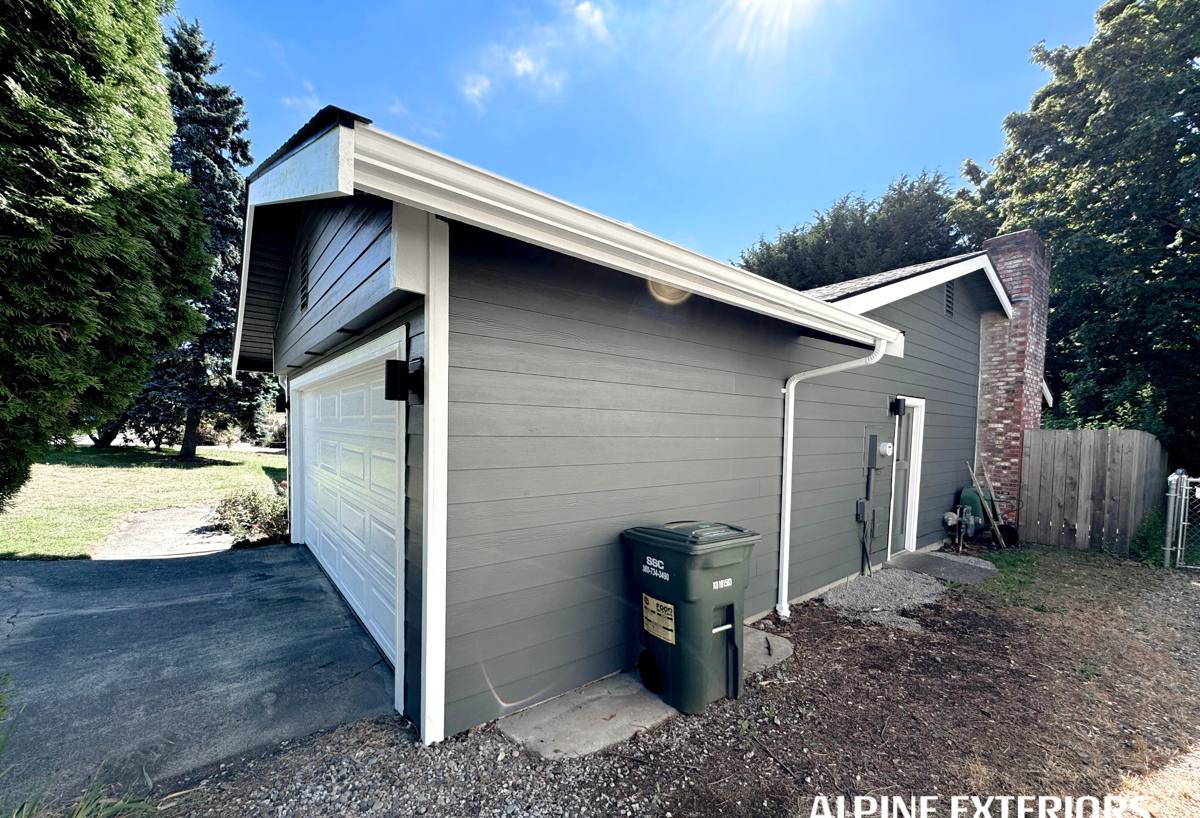
What Pinellas County's Coastal Climate Does to Siding
Dunedin and the surrounding Clearwater area share a set of climate stressors that hit siding harder than most parts of the country:
- Salt air corrosion: Airborne salt from the Gulf and the Sound accelerates the breakdown of fasteners, trim, and any siding material that isn't rated for coastal exposure.
- Wind-driven rain: Tropical storms and hurricane-force wind events push rain sideways and upward, forcing water into seams, laps, and penetrations that would stay dry in a normal rainstorm.
- Year-round intense UV: Florida sun runs strong for most of the year, and UV exposure is what causes paint to chalk, fade, and eventually fail on lower-grade siding materials.
- Humidity and moisture cycling: Constant humidity keeps siding and the wall assembly behind it damp longer, which matters a great deal for how a material handles moisture over time.
None of these factors act alone — they compound. A siding product that handles UV well but swells with moisture, or one that resists water but chalks out in the sun, still ends up as a maintenance headache for a Dunedin homeowner within a handful of years.
Signs a Dunedin Home Needs Siding Replacement
Siding damage in this area doesn't always announce itself with an obvious crack or a missing panel. Often it shows up as smaller signs that get written off as cosmetic until they aren't. Before you call anyone, walk your exterior and check for these:
- Soft or spongy spots when you press on the siding, especially near the bottom courses and around windows and doors
- Visible warping, bowing, or buckling panels, particularly on walls that take the most sun or the most wind-driven rain
- Paint that's chalking, peeling, or fading unevenly across the same wall
- Gaps opening up at seams, corners, or trim where caulking has failed
- A musty smell or discoloration on interior walls that back up to exterior siding
- Visible mold, mildew, or algae staining that keeps coming back no matter how often it's cleaned
- Fastener staining — rust streaks bleeding out from nail or screw heads
Any one of these can be minor on its own. Several at once, especially combined with the age of the siding, usually means replacement is more cost-effective than continuing to patch and repaint.
What a Correct Siding Replacement Job Actually Involves
Siding replacement is more than swapping old panels for new ones. The parts nobody sees are what determine whether the job lasts five years or thirty, especially in a coastal climate that punishes shortcuts.
Tear-off and substrate inspection
Old siding comes off down to the sheathing, and that sheathing gets inspected for rot, delamination, or water damage before anything new goes up. In coastal Pinellas County homes, it's common to find some degree of hidden moisture damage behind older or improperly installed siding — that has to be addressed, not covered over.
Weather-resistive barrier and flashing
A correctly installed weather-resistive barrier (house wrap) and properly integrated flashing around every window, door, and penetration is what actually keeps wind-driven rain out of the wall assembly. This is the step most likely to get rushed on a cheap job, and it's the step that matters most in a storm.
Fastening to spec
Fiber cement siding has specific fastening requirements — nail type, spacing, and placement all affect wind performance. In a hurricane-exposed area like Dunedin, following the manufacturer's fastening schedule isn't optional paperwork, it's what keeps siding on the wall during a wind event.
Trim, caulking, and finish details
Corners, trim boards, and joints need to be sealed correctly with compatible caulking, and factory-finished panels need touch-up paint that actually matches. Sloppy trim work is where most siding jobs start failing first.
Why We Install Only James Hardie Fiber Cement
We made a deliberate decision to install one product system — James Hardie fiber cement siding — instead of offering vinyl, LP SmartSide, primed wood, or other fiber cement brands. That's not about brand loyalty; it's about what actually holds up on Gulf Coast homes.
Non-combustible material: Fiber cement doesn't burn, melt, or warp from heat exposure the way vinyl can. Engineered for humid climates: Hardie's HZ5 product line is specifically engineered for high-humidity, high-moisture regions like Florida's Gulf Coast, with a formulation designed to resist moisture-related damage better than standard fiber cement. Factory-applied ColorPlus finish: Rather than being painted on-site, ColorPlus finish is baked on in a controlled factory process, which gives it far better UV and fade resistance than field-applied paint — a real advantage under Florida sun. Fastens securely for wind resistance: Properly installed Hardie siding has a strong track record in wind-exposed installations. Backed by a strong transferable warranty: Hardie's warranty coverage and its transferability to a new owner add real resale value, which matters in a coastal market where buyers ask pointed questions about exterior condition.
We won't install vinyl siding, LP SmartSide, Cemplank, Allura, or primed wood or cedar products. Each of those has legitimate uses elsewhere, but none of them are what we're willing to put our name behind for a coastal Pinellas County installation. Vinyl can soften, warp, or become brittle under intense heat and UV cycling. Wood and wood-based composite products require more diligent moisture management and ongoing maintenance in a climate that stays humid most of the year. We'd rather install one product correctly than several products with caveats.
How Coastal Siding Materials Compare
| Factor | Vinyl Siding | Wood / Primed Composite | James Hardie Fiber Cement |
|---|---|---|---|
| Salt air resistance | Moderate; can become brittle over time | Poor without diligent maintenance | Strong |
| Wind-driven rain resistance | Depends heavily on installation | Vulnerable if moisture gets behind panels | Strong when installed to spec |
| UV / fade resistance | Can chalk and fade with age | Requires repainting on a cycle | Factory ColorPlus finish resists fading |
| Fire resistance | Can soften or melt under heat | Combustible | Non-combustible |
| Typical maintenance | Low, but limited repair options | Regular repainting and moisture checks | Occasional caulk and touch-up paint |
Our Process for a Dunedin Siding Replacement
Every home is different, but the sequence for a proper replacement stays consistent:
- On-site assessment: We walk the exterior, check for the signs of failure listed above, and look at how sun, wind, and rain exposure vary across the home's different walls.
- Written estimate: A clear scope of work and cost breakdown, no vague allowances.
- Tear-off and substrate check: Old siding removed, sheathing inspected and repaired as needed before anything new goes up.
- Weather barrier and flashing installation: The unseen layer that actually keeps water out gets installed to manufacturer and code specifications.
- Hardie panel installation: Fastened to the manufacturer's schedule for wind performance in a hurricane-prone region.
- Trim, caulk, and finish work: Clean lines at corners, windows, and doors, with color-matched touch-up where needed.
- Final walkthrough: We go over the finished job with the homeowner before calling it done.
Matching Dunedin's Mix of Home Styles
Dunedin has a broad mix of housing stock — older bungalow-style homes closer to the historic core, mid-century ranch homes, and newer coastal-style construction near the water. James Hardie's product lines give us the flexibility to match that variety: lap siding profiles that suit a classic bungalow, board-and-batten or panel options for a more modern coastal look, and a wide ColorPlus palette so the replacement siding fits the home's existing character rather than looking like an obvious retrofit.
Why a Local Crew That Already Works Dunedin Matters
Siding installed by a crew unfamiliar with coastal Florida conditions tends to show it within a few years — undersized flashing details, fastening patterns that aren't tuned for wind exposure, or trim choices that don't account for salt air. A crew that regularly works Dunedin and the broader Clearwater area already understands the exposure levels typical of waterfront and near-waterfront lots, knows how local building department inspections typically go, and has already worked through the practical realities of the area's mix of older and newer homes. That local repetition is what turns "installed correctly on paper" into "still performing correctly ten years later."
Caring for Your New Siding After Installation
Hardie siding is low-maintenance, not no-maintenance. A simple annual routine keeps it performing well in this climate:
- Rinse the exterior periodically to clear salt residue and airborne grime, especially on walls facing the water
- Inspect caulking at trim, corners, and penetrations once a year and touch up as needed
- Check for any impact damage after major storms and address it promptly
- Keep landscaping and sprinklers from spraying directly onto siding long-term
If your Dunedin home's siding is showing its age or didn't hold up through last storm season, we're happy to take a look and give you a straightforward, no-pressure estimate — just fill out the form below.