 Clearwater Siding
 Energy-Efficient Windows Built for Skycrest, Clearwater
Skycrest sits inland enough from the Gulf to feel like a quiet, established Clearwater neighborhood, but it's still well within the reach of salt air, Pinellas County humidity, and the same tropical storm systems that hit the rest of the county. Older single-pane and even early-generation double-pane windows in this area tend to show their age the same way: foggy glass from failed seals, warped aluminum or wood frames, and utility bills that climb every summer as air conditioners fight to keep up. Energy-efficient replacement windows address all of that at once, but only when they're specified and installed correctly for this climate — not just swapped in as a generic upgrade.
We work on homes throughout Clearwater and Pinellas County, and Skycrest's mix of mid-century block homes and newer infill construction gives us a good sense of what actually holds up here versus what looks good on a spec sheet but underperforms once it's faced with a real Florida summer and hurricane season.
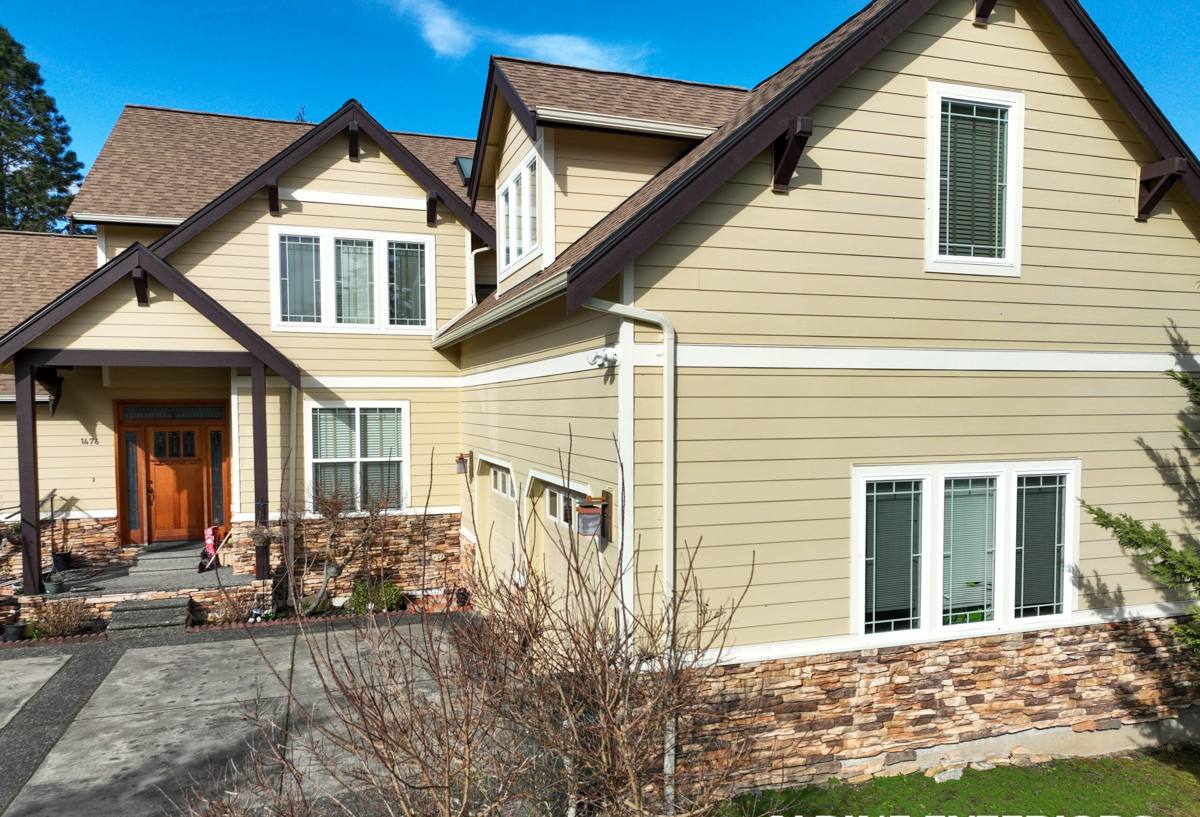
Why Skycrest's Climate Is Hard on Windows
Florida's Gulf Coast doesn't give windows an easy life, and Skycrest is no exception. A few specific stresses matter more here than in most parts of the country:
- Hurricane-force wind loads: Windows have to resist sustained pressure and wind-borne debris impact, not just look sturdy.
- Wind-driven rain: Storms in this area rarely fall straight down — rain gets pushed sideways into frames and seals, which exposes any weak flashing or gap in the installation.
- Year-round intense UV: Constant sun exposure degrades cheap vinyl, warps frame seals, and fades interior furnishings faster than in northern climates.
- Salt air: Even a few miles from the water, airborne salt accelerates corrosion on hardware, screws, and metal components that aren't rated for coastal exposure.
- Humidity swings: Constant moisture in the air stresses seals and can lead to condensation between panes if the glazing isn't performing correctly.
Individually, none of these is unusual for a Gulf Coast home. Together, over years, they're exactly why windows that were fine when a Skycrest house was built often need replacing well before they would in a milder climate.
What "Energy-Efficient" Actually Means Here
Energy efficiency isn't just about the glass. In Pinellas County's climate, a window's real-world performance comes down to how well several parts work together.
Glass and Glazing
Low-E (low-emissivity) coatings reflect infrared heat while still letting in visible light, which matters enormously here since the primary cooling load in a Skycrest home is heat gain through glass, not heat loss. Double-pane construction with an insulated air or gas-filled space between panes reduces heat transfer further. For homes wanting the strongest storm protection, impact-rated laminated glass adds a layer of safety and can reduce or eliminate the need for separate shutters.
Frame Material
Vinyl, aluminum, fiberglass, and composite frames all perform differently in heat, humidity, and salt exposure. Quality vinyl frames with UV-stabilized compounds hold up well and don't conduct heat the way aluminum does. Fiberglass is more expensive but resists warping and expansion/contraction cycling better than most materials. We steer homeowners away from lower-grade aluminum frames in this application — not because aluminum can't work, but because it conducts heat directly into the home and is more prone to corrosion near the coast without upgraded coatings, which adds cost and maintenance that often isn't worth it compared to other frame options.
Installation Quality
A high-performance window installed with poor flashing, gaps in the sealant line, or the wrong fasteners for wind load will underperform a mid-grade window installed correctly. This is the part of the job that doesn't show up on a spec sheet but matters more than almost anything else for how the window actually performs during the next storm.
Signs a Skycrest Home Needs Window Replacement
- Visible fog, moisture, or haze between panes (a sign the seal has failed)
- Windows that are difficult to open, close, or lock — often from frame warping
- Noticeably higher cooling bills compared to similar-sized homes
- Drafts or air movement felt near the frame when the window is closed
- Condensation on the interior glass during humid months
- Visible wood rot, aluminum corrosion, or caulking that's cracked and pulling away
- Frames that rattle or windows that don't sit flush during high wind
Any one of these on its own might just mean a repair. Several at once, especially on windows original to an older Skycrest home, usually means replacement is the more cost-effective path.
Comparing Window Options for This Climate
| Frame Type | Coastal/Humidity Performance | Heat Transfer | Typical Maintenance |
|---|---|---|---|
| Vinyl (UV-stabilized) | Good — resists corrosion, doesn't rot | Low | Low |
| Fiberglass | Very good — dimensionally stable | Low | Low |
| Aluminum (standard) | Fair — prone to corrosion without coatings | High | Moderate |
| Wood (unclad) | Poor in humidity without diligent upkeep | Moderate | High |
| Wood-clad | Good if cladding is intact | Moderate | Moderate |
There's no single "best" material for every home — a lot depends on the home's style, budget, and how much upkeep the homeowner wants to take on. What we won't do is recommend a frame material that looks right for a project's price point but is a poor fit for salt air and humidity exposure, because that trade-off shows up as callbacks and premature failure a few years down the road.
Our Installation Process
1. Assessment and Measurement
We start with an on-site look at the existing windows, frame condition, and any signs of moisture intrusion or structural issues around the openings. Accurate measurements matter — an ill-fitting window is one of the most common causes of leaks and drafts down the line.
2. Product Selection
We walk through glass, frame, and hardware options based on the home's exposure, budget, and whether impact-rated glazing makes sense for the specific openings. Not every window on a home needs the same spec; a west-facing window catching afternoon sun has different priorities than a shaded side window.
3. Removal and Prep
Old windows are removed carefully to avoid damaging surrounding stucco, siding, or trim. We check the rough opening for rot, water damage, or settling before anything new goes in — installing over a compromised opening just hides a problem instead of fixing it.
4. Flashing and Sealing
This is the step that determines whether a window survives its first serious wind-driven rain event. Proper flashing integration with the home's water management, along with correctly applied sealant, keeps water out even when rain is being pushed sideways against the wall.
5. Installation and Fastening
Windows are set plumb, level, and square, then fastened per the manufacturer's wind-load specifications for our region. This isn't a step to shortcut — under-fastened windows are a real liability in a hurricane.
6. Final Inspection and Cleanup
We check operation, seal integrity, and finish work before we consider the job done, and we clean up the site so the crew's presence doesn't linger past the work itself.
What to Check When Hiring for Window Work in This Area
- Proper licensing and insurance to do exterior work in Pinellas County
- Familiarity with local wind-load and building code requirements, including any impact-resistance rules that apply to the home's location
- A clear explanation of flashing and sealing methods — not just the window brand being sold
- Manufacturer-backed warranties on both the product and the installation labor
- Willingness to inspect and address rough-opening damage rather than covering it up
- References or a track record of work specifically in coastal or storm-prone conditions
A crew that regularly works in Clearwater and similar Gulf Coast neighborhoods already understands these requirements without having to relearn them on your home. That familiarity shows up in details — the right fastener spacing, correctly integrated flashing, hardware rated for salt exposure — that a crew from a drier, calmer climate might not think to prioritize.
Cost Factors for Skycrest Homeowners
Window replacement costs vary widely based on several factors, and it's worth understanding them before assuming a quote is high or low for no reason:
| Factor | Impact on Cost |
|---|---|
| Frame material (vinyl vs. fiberglass vs. wood-clad) | Moderate to significant |
| Impact-rated vs. standard glazing | Significant |
| Number and size of window openings | Direct, scales with project |
| Rough opening repair needs | Variable — depends on condition found during removal |
| Retrofit vs. full-frame replacement | Moderate |
| Custom shapes or sizes | Moderate to significant |
As a broad guideline, energy-efficient single windows for a home this size typically run from a few hundred dollars per opening for standard vinyl units into the low thousands per opening for impact-rated, larger, or custom windows. Whole-home projects should be quoted after an actual on-site assessment — anyone giving a firm number over the phone without seeing the home is guessing.
Get a Free Estimate for Your Skycrest Home
If your windows are original to the house, showing seal failure, or just costing you more on cooling bills than they should, it's worth having them looked at before another Florida summer or storm season puts more strain on them. We'll walk the property, explain what we're seeing, and give you an honest recommendation — no pressure, no obligation. Use the form below to request your free estimate.