 Clearwater Siding
 Siding Built for the Coachman Ridge Climate
Coachman Ridge is a quiet, established residential pocket of Clearwater, tucked into Pinellas County's dense grid of mid-century and late-20th-century neighborhoods. Homes here run the gamut — ranch-style single stories, split-levels, and updated remodels — but they all share the same exterior enemy: a subtropical Gulf Coast climate that never really lets up. There's no off-season for siding in this part of Florida. Summer brings tropical humidity and daily UV exposure strong enough to bleach and chalk cheap paint finishes within a few years. Hurricane season brings the real test: sustained winds, wind-driven rain forced sideways into every seam and joint, and the kind of pressure differentials that peel back poorly fastened panels. Add in the salt-laden air that drifts inland from Clearwater Harbor and the Gulf, and you have a combination that's genuinely hard on exterior building materials over time.
We install exclusively James Hardie fiber cement siding, and Coachman Ridge is exactly the kind of neighborhood that explains why. This page walks through what local homes are up against, how our process is built around that reality, and why we standardized on one product system instead of offering a menu of options.
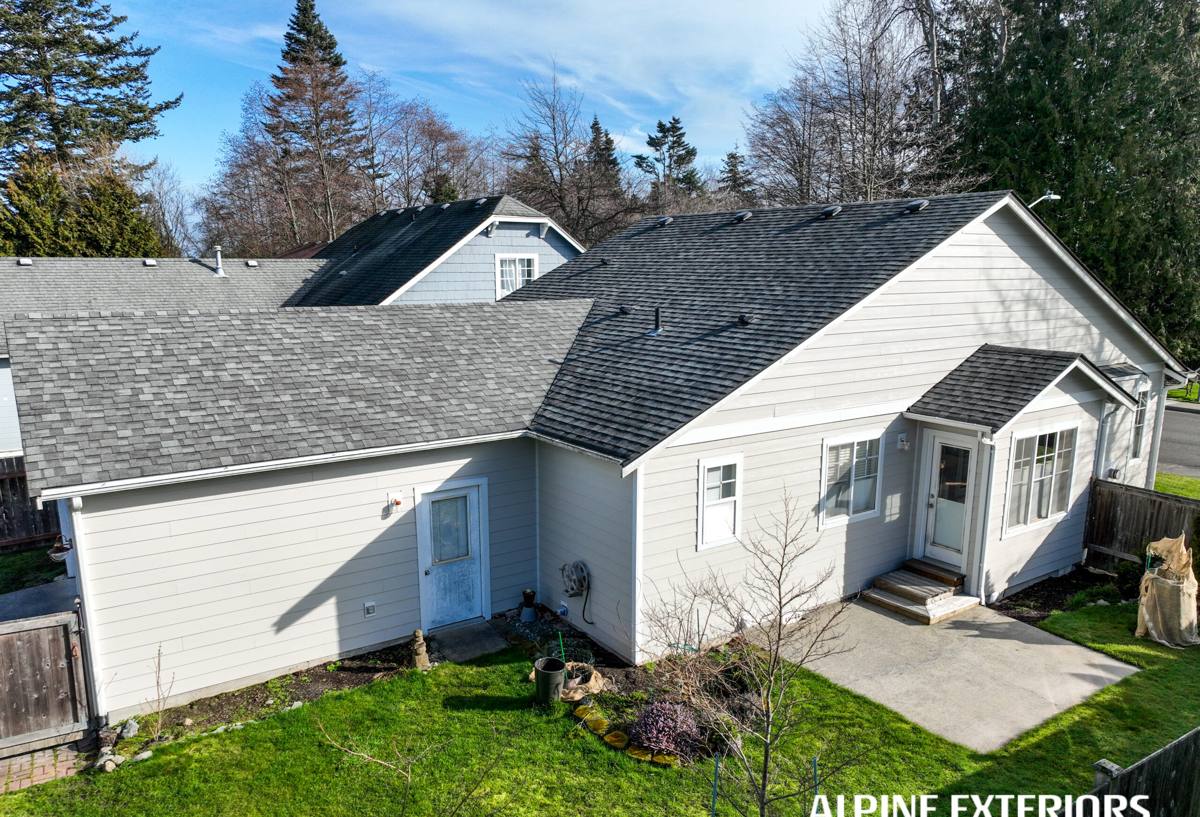
What Clearwater's Climate Actually Does to Siding
Hurricane and Tropical Storm Wind Loads
Pinellas County sits on a peninsula, which means every hurricane or tropical storm that tracks anywhere near the Tampa Bay area brings sustained wind and gusts to Clearwater neighborhoods, including inland ones like Coachman Ridge. Siding doesn't just need to look good — it needs a fastening system and a substrate that can hold under uplift pressure without panels lifting, cracking, or separating at the seams.
Year-Round UV Exposure
Florida's sun angle and day length mean exterior materials get more cumulative UV exposure per year than almost anywhere else in the country. Paint film breaks down faster here. Cheaper composite and wood-based sidings that rely on site-applied paint tend to show fading, chalking, and coating failure well ahead of their rated lifespan.
Wind-Driven Rain and Moisture Intrusion
It's not just rainfall totals — it's the direction the rain comes from during a storm. Wind-driven rain gets pushed horizontally into laps, corners, and penetrations that would stay dry in a calmer climate. Any siding product that's sensitive to sustained moisture contact is at a real disadvantage in Clearwater.
Salt Air and Coastal Corrosion
Coachman Ridge isn't beachfront, but it's close enough to the Gulf and Clearwater Harbor that salt aerosol still reaches the neighborhood, especially on windy days. Salt accelerates corrosion of fasteners and hardware and can degrade certain coatings faster than inland climates would.
Why We Only Install James Hardie
We used to get asked to quote a range of siding materials, and over the years the pattern was consistent: the products that performed best on Clearwater homes, storm after storm and summer after summer, were James Hardie fiber cement products. So we made a decision as a company — we install Hardie, and we don't install vinyl, LP SmartSide, Cemplank, Allura, or unfinished wood siding like primed spruce or cedar. That's not a knock on every homeowner who has one of those products on their house today. It's a professional standard we hold ourselves to going forward, based on what we've seen actually hold up in this climate over time.
- Non-combustible material. Fiber cement doesn't contribute fuel to a fire the way wood-based products can.
- Factory-applied ColorPlus finish. Baked-on color resists UV fading far better than field-applied paint, which matters given how much sun Clearwater homes absorb.
- HZ5 formulation. James Hardie engineers specific product formulations for high-humidity, hurricane-prone climate zones, and Pinellas County falls squarely in that zone.
- Moisture resistance. Fiber cement doesn't swell, rot, or delaminate the way some wood-based and composite sidings can when they take on sustained moisture.
- Transferable warranty. A strong, transferable warranty backing matters to resale in a market like Clearwater's, where homes change hands regularly.
None of this means other products are junk — vinyl is inexpensive, LP SmartSide has a following, and cedar has real curb appeal. But we build our reputation on installs that still look right in fifteen years, and for Coachman Ridge's specific mix of sun, wind, rain, and salt, Hardie fiber cement is the product we're willing to put our name behind.
How Material Choice Plays Out Over Time
| Factor | Vinyl / Composite Options | James Hardie Fiber Cement |
|---|---|---|
| UV / Color Retention | Field or shop paint fades and chalks under sustained Florida sun | Factory-baked ColorPlus finish holds color longer |
| Wind-Driven Rain | Some products are sensitive to sustained moisture at seams | Fiber cement resists moisture intrusion when installed to spec |
| Hurricane Wind Rating | Varies widely by product and fastening method | HZ5 line engineered for high-wind, high-humidity zones |
| Combustibility | Wood-based products are combustible | Non-combustible fiber cement |
| Warranty | Varies, often not fully transferable | Strong, transferable warranty |
Our Process for Coachman Ridge Homes
On-Site Inspection First
Every project starts with a walk-around of the home — checking the existing siding or substrate for hidden moisture damage, evaluating trim and flashing details, and looking at how the house is oriented relative to prevailing wind and rain exposure. Homes on more exposed lots or facing open sky get extra attention to flashing and joint detailing.
Correct Installation Detailing
James Hardie siding performs to its rated standard only when it's installed correctly — proper fastener spacing, correct clearances at grade and roofline, sealed joints, and manufacturer-specified overlaps. This is where a lot of the real-world performance difference between a good Hardie install and a mediocre one comes from. We install to manufacturer spec, not shortcuts, because in a wind and rain climate like Clearwater's, the details are what actually get tested during the next named storm.
Local Crew, Local Accountability
We're a Clearwater-based crew working in Pinellas County neighborhoods we know. That matters for two practical reasons: we understand the code and inspection expectations locally, and if a question comes up after the job is done, we're not a crew that drove in from three counties away and won't be back. A warranty is only as good as the contractor standing behind it.
Beyond Siding: The Full Exterior Picture
Siding doesn't work in isolation — it's one piece of a home's overall weather envelope. We also handle roofing, windows, and decks, and on many Coachman Ridge projects those systems interact directly with the siding work:
- Roofing. Roof-to-wall flashing details affect how well siding resists wind-driven rain at the roofline — a weak point in a lot of hurricane damage.
- Windows. Window flanges and trim need to integrate cleanly with new siding to avoid creating a moisture path behind the cladding.
- Decks. Ledger board attachment points where a deck meets the house are another common spot where siding and structural work overlap.
Handling these trades together means fewer contractors passing the buck when something doesn't line up, and a tighter, more weather-resistant result overall.
Signs a Coachman Ridge Home May Need Siding Attention
- Visible fading, chalking, or color inconsistency across wall sections
- Soft spots, bubbling, or separation at panel seams and corners
- Staining or dark streaking below joints, suggesting water tracking behind the siding
- Warping, buckling, or panels that flex noticeably when pressed
- Visible fastener corrosion or popped/backed-out nails
- Rising energy bills that may point to a compromised exterior envelope
- Siding that's original to a home built decades ago and has never been replaced
What Drives Cost on a Siding Project
Every home is different, so we don't post fixed prices, but a few factors reliably move the estimate:
| Factor | Why It Matters |
|---|---|
| Home size and wall complexity | More square footage and more corners, gables, and trim details mean more material and labor |
| Substrate condition | Hidden moisture damage or rot found during tear-off adds repair scope |
| Product line and profile | Hardie offers multiple plank widths, textures, and trim options at different price points |
| Accessibility | Second-story sections, tight lot lines, or landscaping can affect labor time |
| Scope bundling | Combining siding with roofing, window, or trim work can create efficiencies |
Why a Local Crew Matters in a Neighborhood Like This
Coachman Ridge homes weren't all built to the same code era, and a lot of them have had piecemeal updates over the decades — a reroof here, a window replacement there. A crew that works Clearwater and Pinellas County regularly has a feel for how these homes were built, what tends to be hiding behind old siding, and what current code and inspection standards actually require. That local familiarity shortens the guesswork and helps avoid surprises mid-project.
If your Coachman Ridge home's siding is showing its age, or you're planning ahead of the next storm season, we're glad to take a look and walk you through what we see — no pressure, no obligation. Use the form below to request a free estimate.