 Clearwater Siding
 Why Island Estates Homes Need a Different Approach to Windows
Island Estates sits on the water, and that changes everything about how windows perform there. Homes on this stretch of Clearwater, Florida face a combination most inland Pinellas County properties never deal with at the same intensity: near-constant salt-laden air off the Intracoastal and Gulf, direct and reflected UV off open water, wind-driven rain that finds every gap in a poorly sealed frame, and the real possibility of hurricane-force wind loads during storm season. Any one of those is manageable. All four at once, year-round, is what separates a window job done for a typical suburban home from a window job done right for a waterfront property.
We work on Island Estates regularly, and the patterns repeat: aluminum frames pitted and chalking years before they should, hardware seized from corrosion, glazing seals that failed early because the sealant wasn't rated for constant salt exposure, and single-pane or aging double-pane units that leave rooms hot, glare-heavy, and loud. None of that is inevitable. It's the result of window choices and installation shortcuts that don't account for where the house actually sits.
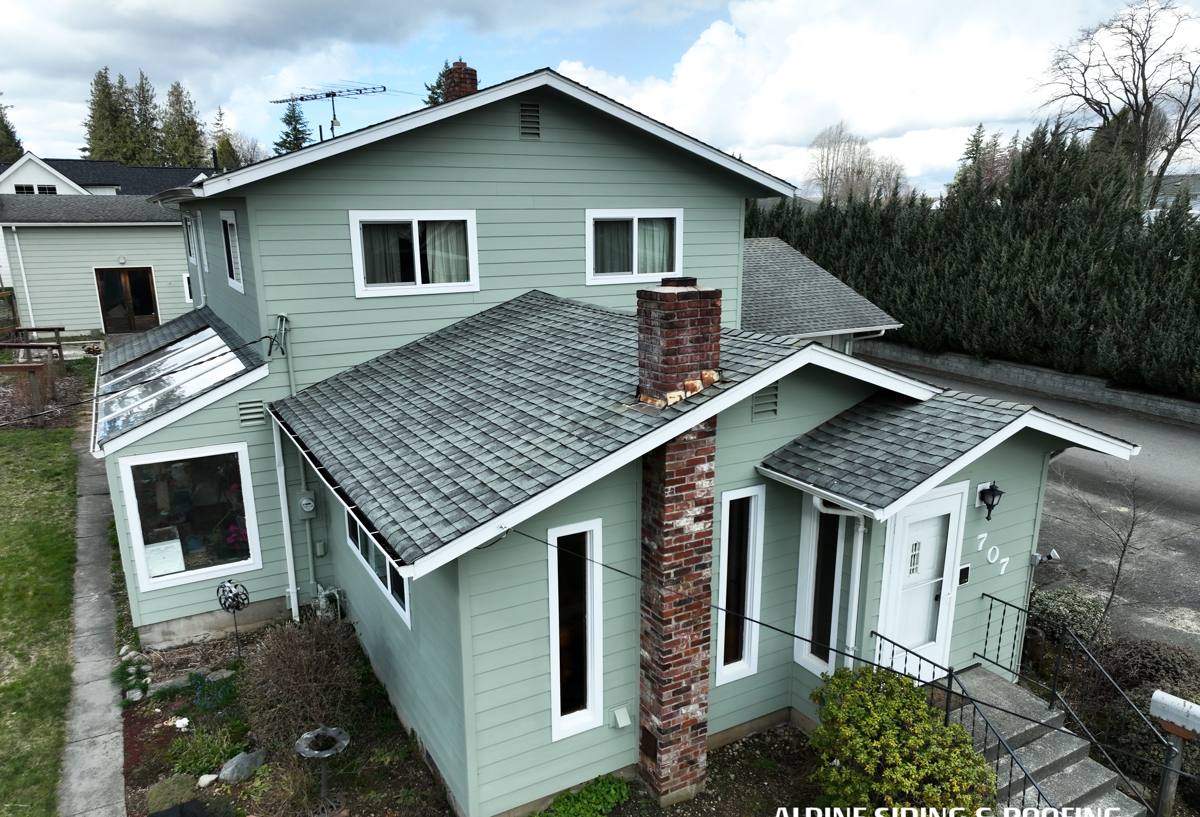
What Salt Air and Coastal Exposure Actually Do to a Window
Frame Corrosion and Pitting
Salt in the air settles on every exterior surface, including window frames, and it's corrosive to bare or poorly coated metal. Standard aluminum frames not specified for coastal use can start pitting and oxidizing within a few years of exposure this close to the water. Once the finish breaks down, moisture gets underneath it, and the corrosion accelerates. Vinyl and properly coated aluminum resist this far better, but the frame material is only half the equation — the fasteners, hinges, and locking hardware matter just as much and are often the first things to fail.
Seal and Glazing Breakdown
Insulated glass units rely on a sealed edge to keep the gas fill in and moisture out. Constant salt exposure and UV cycling stress that seal faster than it would inland. When it fails, you get fogging between the panes — a sign the unit needs replacing, not repairing. Using glazing sealants and gaskets actually rated for marine or coastal exposure, rather than standard-grade products, is one of the clearest differences between a window that lasts fifteen years on the water and one that lasts five.
Hardware Failure
Locks, cranks, hinges, and rollers on lower-grade hardware corrode and seize in salt air faster than almost any other component. This is a detail that's easy to overlook when a window is chosen mainly on glass performance and price, but on Island Estates it's often the first visible sign that a window package wasn't specified for its environment.
What UV and Heat Do on Top of the Salt Exposure
Clearwater gets intense, direct sun essentially year-round, and homes near open water get extra glare from light reflecting off the surface. That combination breaks down inferior window films, warps low-quality vinyl over time, and drives cooling costs up in rooms with large or west/south-facing glass. Low-E coatings and the right glass package cut down on solar heat gain without sacrificing natural light, and they protect flooring, furniture, and artwork from UV fading — a real concern in coastal homes with a lot of glass and a lot of sun.
Wind-Driven Rain and Hurricane Wind Loads
Pinellas County, including Clearwater and Island Estates, falls under Florida's High-Velocity Hurricane Zone building code requirements in practice even outside the strict HVHZ counties — meaning windows here need to meet specific wind-load and impact standards, not just look the part. Wind-driven rain during a tropical system doesn't fall straight down; it drives sideways into the wall, and a window that isn't properly flashed and sealed will let water in around the frame even if the glass itself holds. Correct installation — proper flashing, sealant, and fastening schedule matched to the wall type — is just as important as the window's rating on paper.
For hurricane season specifically, homeowners generally choose between impact-rated glass (laminated glass designed to stay intact under impact) or standard windows paired with code-compliant shutters or panels. Both are legitimate approaches; the right one depends on the home's exposure, budget, and how the owner wants to handle storm prep.
Storm Readiness Checklist for Island Estates Homeowners
- Confirm your current windows' actual wind-load and impact rating — don't assume based on age or appearance
- Check for visible pitting, chalking, or corrosion on frames and hardware
- Look for fogging between panes, a sign the seal has already failed
- Test that locks and cranks operate smoothly — seized hardware is a red flag
- Ask whether your current setup requires separate shutters or panels, and whether you have a plan to install them before a storm
- Review your homeowner's insurance — impact-rated windows can affect premiums and wind mitigation credits
Choosing the Right Window Package for a Waterfront Property
There's no single "best" window for every Island Estates home — it depends on sun exposure, distance from open water, the style of the house, and budget. What matters is matching frame material, glass package, and hardware grade to how exposed the specific property actually is.
| Factor | What to Look For in a Coastal Setting |
|---|---|
| Frame material | Vinyl or coastal-rated aluminum with corrosion-resistant coatings; avoid uncoated standard aluminum |
| Glass package | Low-E coated, impact-rated laminated glass where wind exposure is high |
| Hardware | Marine-grade or coastal-rated locks, hinges, and rollers — not standard-grade |
| Sealants and gaskets | Coastal/marine-rated products, not general-purpose caulk |
| Installation flashing | Full perimeter flashing matched to wall assembly, not just surface caulking |
| Wind rating | Verified against current Florida Building Code wind-load requirements for your specific location |
Our Process for a Custom Window Job on Island Estates
1. On-Site Assessment
We start by looking at the actual conditions on your property — sun exposure, distance from the water, current window condition, and any signs of existing water intrusion or corrosion around the openings. Custom windows means the sizes, styles, and glass packages get specified to your home, not pulled from a generic catalog.
2. Product Selection
We walk through frame material, glass, hardware, and wind-rating options in plain terms, including honest trade-offs — cost versus longevity, maintenance requirements, and how each option holds up specifically in a salt-air, high-UV environment. We're upfront when a lower-cost option will mean more maintenance or a shorter service life near the water; that's a decision that belongs to the homeowner, made with full information.
3. Precise Measurement and Ordering
Custom units are measured and ordered to the actual opening, accounting for the wall assembly and any out-of-square conditions common in older coastal construction.
4. Installation
This is where most of the long-term performance is won or lost. Proper flashing, coastal-rated sealants, correct fastening schedules, and attention to the wall's water-management path all matter more than the window unit itself. A premium window installed with shortcuts will leak; a solid mid-range window installed correctly usually won't.
5. Final Inspection and Walkthrough
We check operation, seal integrity, and finish work, and walk the homeowner through care and maintenance specific to a salt-air environment.
Maintenance That Actually Matters Near the Water
Coastal windows need more upkeep than inland ones, but it's manageable with a simple routine:
- Rinse frames and tracks with fresh water periodically to remove salt buildup, especially after storms
- Lubricate hardware — locks, cranks, rollers — on a regular schedule to prevent seizing
- Inspect sealant and caulking annually and touch up before small gaps become water intrusion points
- Clean tracks and weep holes so water has a clear path to drain out, not pool against the frame
- Address any fogging, sticking, or corrosion signs early rather than waiting for full failure
Why Local Experience on Island Estates Matters
A contractor who mostly works inland properties in Pinellas County may not think twice about specifying standard hardware or general-purpose sealant — because for most of their jobs, it holds up fine. On a waterfront property like the ones on Island Estates, that same specification can mean callbacks and premature failure within a few years. Working this specific area regularly means knowing which products actually hold up here, how local wind exposure and flood zone requirements apply to a given property, and what installation details matter most given the salt air and storm exposure this neighborhood sees. It also means understanding Clearwater's permitting process for window replacement, which varies depending on whether the work is like-for-like or involves structural changes to the opening.
Get a Straightforward Estimate
If you're weighing your window options for a home on Island Estates, we're happy to take a look, walk you through what your specific property needs, and give you a clear, no-pressure estimate. There's a form below — reach out and we'll go from there.