 Clearwater Siding
 Building Decks That Actually Hold Up in Palm Harbor
Palm Harbor sits close enough to the Gulf that every outdoor structure on a property deals with the same combination of stresses: intense sun for most of the year, salt-laden air moving in off the water, sudden wind-driven rain, and the occasional hurricane-force wind event. A deck built the way it might be built in a dry inland climate will not last here. The fasteners corrode faster, the wood checks and cups faster, and any shortcut taken in the framing shows up within a few seasons instead of a decade. We build decks for this specific area, and the material choices, fastener specs, and framing details we use are chosen with Pinellas County conditions in mind, not generic national defaults.
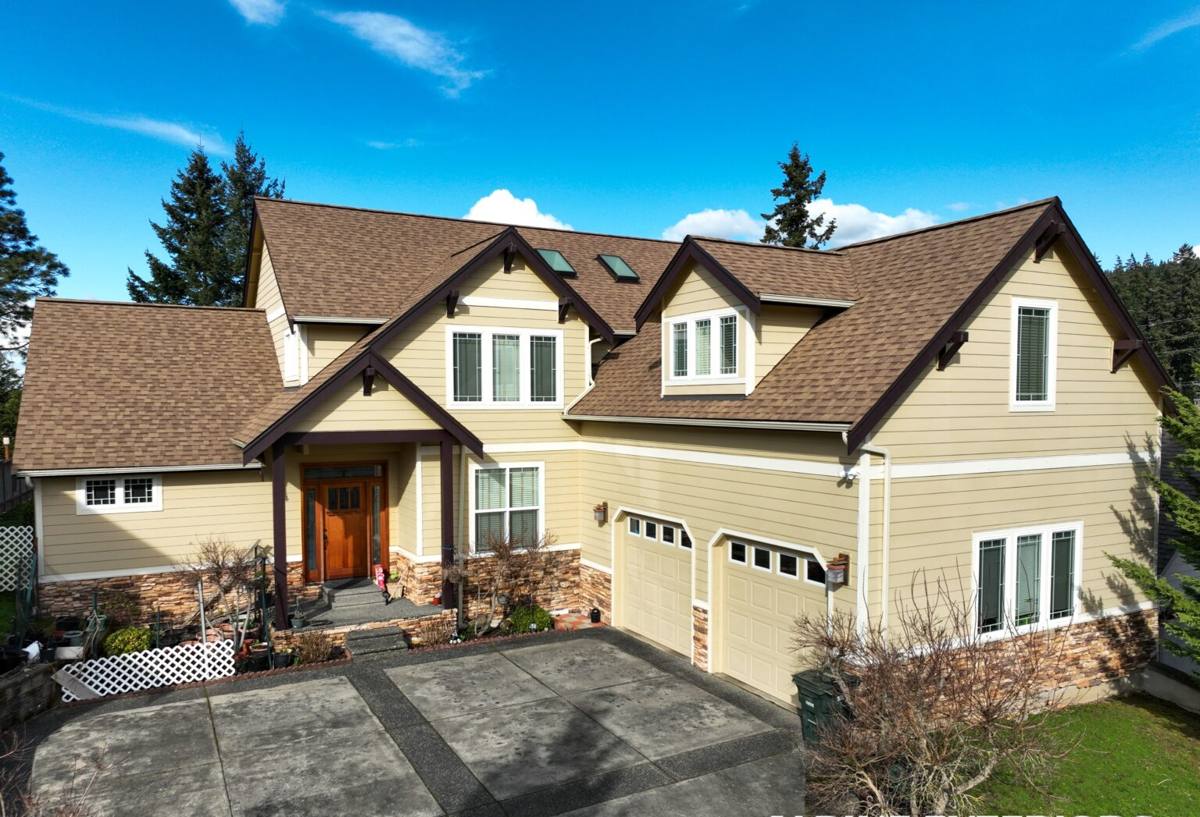
What Clearwater and Palm Harbor Weather Does to a Deck
Before getting into materials and process, it helps to understand exactly what a deck in this part of Florida is up against, because every decision below traces back to one of these four stresses.
UV Exposure
Central Florida gets a lot of direct sun year-round, and UV breaks down the surface fibers of untreated or poorly finished wood, fades color-through composite boards over time, and dries out sealants and gaskets faster than in northern climates. Decking rated or marketed for milder climates often fades or chalks noticeably sooner here.
Salt Air
Even a few miles inland from the coast, salt carried on the breeze settles on metal fasteners, hinges, and railing hardware. Ordinary galvanized coatings can start to show rust bleed within a couple of years in this environment. This is one of the most common corners cut on budget deck jobs, and it's the one that fails first.
Wind-Driven Rain
Storms here rarely arrive as gentle rain. Wind pushes water sideways and up under boards, into ledger connections, and behind railing posts. A deck that isn't detailed to shed and drain that water will trap moisture in the framing, and trapped moisture is what actually rots a structure — not rain that falls straight down and runs off.
Hurricane-Force Wind
Pinellas County structures need to be built to withstand real wind loads, not just vertical foot traffic. That affects how a deck is anchored to the house, how railings are fastened, and how footings are sized. This isn't a cosmetic consideration — it's a structural one.
Choosing Decking Material for a Palm Harbor Property
There is no single "best" decking material for every home — it depends on budget, how much upkeep the homeowner wants to do, and how close the property sits to the water. Here's how the common options compare under local conditions.
| Material | Upfront Cost | Maintenance | How It Handles This Climate |
|---|---|---|---|
| Pressure-treated pine | Lowest | Regular resealing/staining | Affordable and repairable, but needs consistent maintenance or it checks, warps, and grays quickly in intense sun and humidity |
| Tropical hardwood | High | Periodic oiling | Naturally dense and rot-resistant, holds up well to sun and moisture, but is heavier to install and costs more per board |
| Capped composite | Mid-to-high | Occasional washing | Cap layer resists fading and moisture absorption well; a solid all-around choice for this area |
| Uncapped composite | Mid | Occasional washing | More prone to surface fading and moisture uptake at cut ends over time without a full cap; needs careful end-sealing |
| PVC decking | High | Minimal | Doesn't absorb moisture, handles UV and salt air well, but can feel warmer underfoot in direct sun and expands/contracts more with temperature swings |
We walk every homeowner through this trade-off honestly rather than pushing whatever has the best margin. A family that wants zero upkeep and plans to stay in the home long-term is usually better served by composite or PVC. A homeowner who doesn't mind an annual reseal and likes the traditional wood look can get excellent results from pressure-treated lumber or hardwood, as long as it's detailed correctly underneath.
What a Correctly Built Deck Requires Here
The visible decking boards get most of the attention, but the parts of a deck that determine whether it lasts 10 years or 25 are mostly hidden: the ledger connection, the framing, the fasteners, and the footings.
Ledger Board Flashing
Where a deck attaches to the house, water intrusion at the ledger is the single most common cause of structural failure in residential decks nationwide, and wind-driven rain makes it worse here. Correct flashing — installed in the right order relative to the house's own weather barrier — keeps water from tracking behind the siding and into the wall framing.
Fastener Selection
Salt air corrodes standard fasteners faster than most homeowners expect. We use corrosion-resistant hardware rated for coastal exposure rather than the cheapest hot-dip galvanized option, because replacing a deck's structural screws in eight years costs far more than paying slightly more for the right fastener up front.
Footings and Post Bases
Footing depth and post-to-beam connections need to account for Florida's soil conditions and wind uplift, not just vertical load. Post bases should keep wood off direct contact with concrete or standing water to reduce rot risk at the base — a detail that's easy to skip and hard to notice until the post starts failing.
Joist Protection
Covering the tops of joists with a protective tape barrier before decking goes down keeps rainwater that gets past the boards from soaking directly into cut fastener holes in the joist — one of the cheapest upgrades for meaningfully extending frame life in a humid climate.
A Practical Checklist for a Sound Deck Build
- Ledger board properly flashed and sealed against the house structure, not just caulked
- Corrosion-resistant fasteners rated for coastal/salt-air exposure throughout
- Footings sized for both vertical load and wind uplift, per local code
- Joist tops protected from standing moisture
- Post bases that keep wood off concrete and out of standing water
- Railing posts through-bolted, not just screwed, at connection points
- Proper board spacing for drainage and seasonal material movement
- Stairs and railings meeting current code height and spacing requirements
Permitting in Pinellas County
Most deck construction in this area requires a building permit, and inspections typically occur at the framing stage and again at completion. Requirements vary by exact scope — deck height, attachment method, and size all factor in — so we handle the permitting conversation as part of the estimate rather than leaving homeowners to sort it out with the county on their own. Skipping permits on a structural addition like a deck can create real problems later, from insurance claim denials to complications at resale, so it's not a step worth shortcutting even when a job looks simple.
Our Process for Palm Harbor Deck Projects
- On-site assessment. We look at the house's existing structure, grade, drainage, and sun/wind exposure specific to the lot before recommending a material or layout.
- Material and design conversation. We walk through the cost, maintenance, and climate trade-offs above in plain terms so the homeowner picks a material that matches their budget and how they'll actually use the deck.
- Permitting. We prepare and submit the necessary documentation to the county and schedule required inspections.
- Framing and structural work. Ledger flashing, footings, joists, and fastener selection are handled to the standards outlined above — this is the stage that determines the deck's real lifespan.
- Decking, railing, and finish work. Boards, railings, stairs, and any built-in features go in with attention to drainage gaps and proper fastening.
- Final walkthrough and inspection. We review the completed deck with the homeowner and confirm final county sign-off.
Maintaining a Deck Once It's Built
Even a well-built deck needs some ongoing attention in this climate. Wood decks generally need resealing or staining every one to two years to keep UV and moisture from breaking down the surface. Composite and PVC decks need far less — mostly periodic washing to keep salt residue, pollen, and organic buildup from dulling the surface or promoting mildew growth in shaded areas. Railing hardware and fasteners are worth a visual check once a year for early rust bleed, which is usually the first sign that a connection needs attention before it becomes a bigger repair. Homeowners near the water should expect to do this checking slightly more often than those further inland.
Why a Local Crew Makes a Real Difference
A crew that works Palm Harbor and the greater Clearwater area regularly already knows which fastener grades hold up here, how the county's inspection process typically runs, and what soil and drainage patterns look like on the lots in this part of Pinellas County. That local familiarity translates into fewer surprises during permitting, fewer callbacks for corrosion or moisture issues down the line, and a deck that's actually built for the environment it's sitting in — not a generic build adapted after the fact. It also means someone is nearby and reachable if a warranty question or maintenance question comes up years after the project is finished.
If you're weighing a new deck or replacing an aging one in Palm Harbor, we're happy to walk the property, talk through material options honestly, and put together a straightforward estimate. There's no pressure and no obligation — just use the form below to request a free estimate and we'll go from there.