 Clearwater Siding
 Siding in Safety Harbor Has to Do More Than Look Good
Safety Harbor sits right on Old Tampa Bay, which means most homes here deal with a version of the Gulf Coast exposure that's a little more concentrated than it is a few miles inland. Waterfront and near-waterfront lots get more direct salt air, more wind funneling off open water during storms, and in a lot of the older, tree-canopied neighborhoods, more shade and humidity holding against the exterior walls between rain events. None of that is unusual for Pinellas County, but it does mean the siding on a Safety Harbor home is working harder than the same product would be on a home in a drier, inland market.
We install exclusively in James Hardie fiber cement, and this page is specifically about what that looks like for homes in and around Safety Harbor: what the local conditions actually do to an exterior over time, what a correct installation involves, and why we think a crew that's already worked this area has a real advantage over one seeing it for the first time.
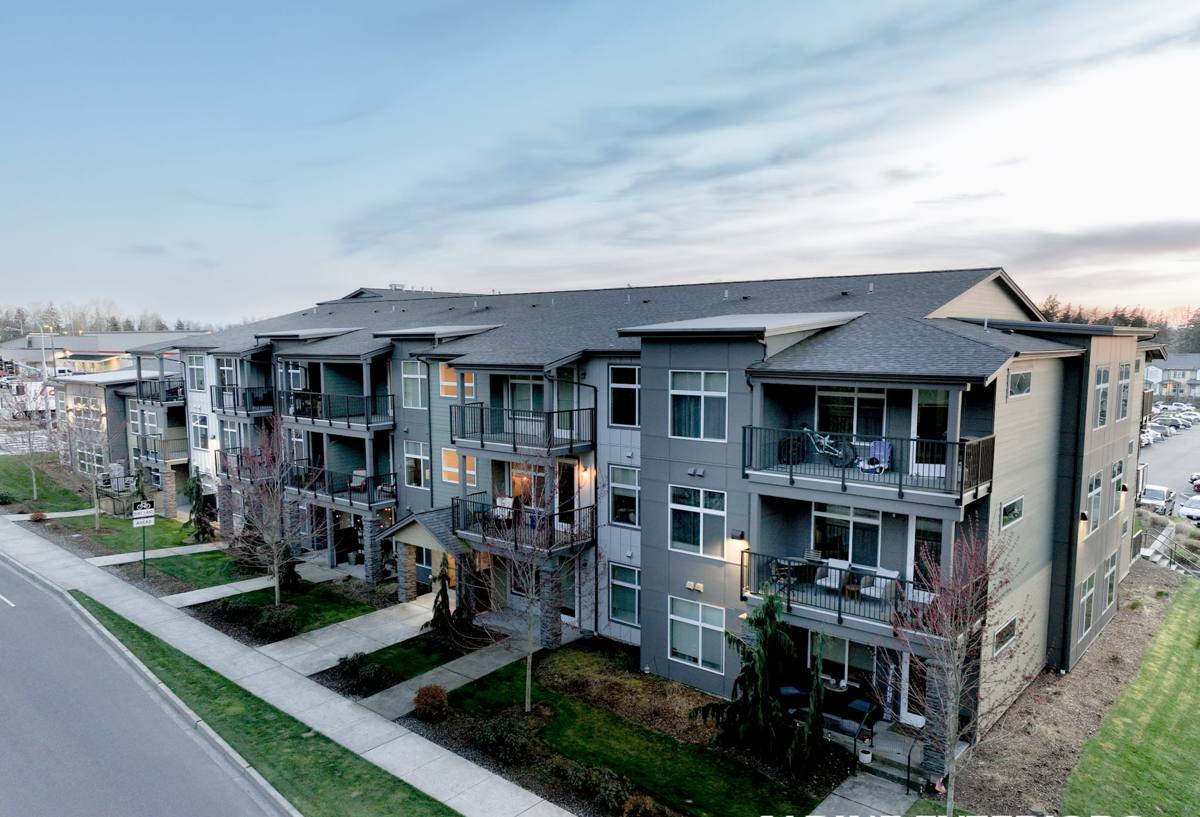
What This Climate Does to an Exterior Wall
Three conditions show up together here, and it's the combination that matters more than any one of them in isolation.
Hurricane-Force Wind
Pinellas County sits inside a wind-borne debris region, and siding, trim, and fastening all have to hold up under sustained high wind and the occasional direct hit from a tropical system. Wind doesn't just push on a wall — it drives rain sideways into every seam, lap, and penetration, which turns ordinary weatherproofing details into load-bearing parts of the system during a storm.
Year-Round, High-Intensity UV
Florida's sun exposure runs longer and more intense across more months of the year than most of the country ever sees. Paint films, caulk, and unstable coatings break down faster under that kind of UV load, and a finish that would hold up for a decade in a milder climate can start chalking, fading, or cracking noticeably sooner here.
Salt Air Off the Bay
Homes closer to Old Tampa Bay get salt-laden air moving across the property on a regular basis, not just during storms. Salt exposure accelerates corrosion on fasteners and trim hardware and speeds up the breakdown of finishes that aren't formulated to resist it. It's a slower kind of damage than wind, but it's constant, and it adds up over the life of a siding system.
Why We Only Install James Hardie in a Climate Like This
We don't offer vinyl, LP SmartSide, primed spruce, cedar, or other fiber cement brands, and that's a deliberate standard rather than a limitation on what we're capable of installing. Vinyl expands, contracts, and can deform under sustained heat and doesn't shed wind-driven rain particularly well at its lapped, unsealed seams. Engineered wood products depend on an intact factory coating and fully sealed field cuts for their entire service life, which is a lot to ask in a climate where wet weather is the norm rather than the exception. Cedar and primed spruce are organic, combustible, and need a maintained paint or stain schedule to keep moisture and humidity from working their way into the material.
James Hardie fiber cement is an inorganic blend of Portland cement, sand, and cellulose fiber. It doesn't have a wood-based or petroleum-based core that can swell, rot, or feed pests, and it's non-combustible. Two specific parts of the Hardie system matter most for a Safety Harbor property:
HZ5 Climate Engineering
James Hardie manufactures different formulations for different climate zones, and homes in our area are built with the HZ5 line, engineered specifically for high-humidity, high-moisture-exposure conditions. That's a different product than what's sold in dry, inland regions of the country — the formulation itself is tuned for the kind of sustained moisture load a bay-adjacent home actually sees.
ColorPlus Factory Finish
Rather than relying on field-applied paint, Hardie's ColorPlus finish is baked on in multiple coats under controlled factory conditions before the boards reach the job site. It carries its own warranty separate from the substrate warranty and is formulated specifically to resist the kind of UV fading and salt-air degradation that wears down site-applied paint faster in this part of Florida.
What a Correct Installation Actually Involves
Fiber cement's reputation rides heavily on how well it's installed, and a rushed job can undercut even the right material. On a Safety Harbor property, we treat the following as non-negotiable, not optional upgrades:
- Manufacturer-specified clearances at grade, roofline, and any deck or patio surface, keeping the bottom edge of the siding out of standing water and splash-back
- Correct fastener type, spacing, and penetration depth, matched to wind zone requirements rather than a generic nailing pattern
- Proper flashing at every window, door, and wall penetration, directing wind-driven rain away from seams instead of letting it collect there
- Factory-cut edges used wherever possible, with any field cuts sealed to spec so the factory finish's protection isn't compromised at the cut line
- A functioning drainage plane behind the siding, so any moisture that does get past the surface can drain and dry instead of sitting against the wall sheathing
- Fastening and panel gapping that accounts for actual wind load, not just baseline manufacturer minimums
Every one of these details is easy to skip and hard to spot once the job is finished and painted — which is exactly why the crew doing the work matters as much as the product on the truck.
Our Process for a Safety Harbor Job
The steps themselves aren't unusual, but the judgment calls at each one are shaped by what we've seen work and fail on homes with this specific exposure.
| Step | What We're Actually Checking |
|---|---|
| Site walk and exposure assessment | Distance from the bay, tree canopy and shade pattern, prevailing wind direction, existing drainage and grading around the foundation |
| Tear-off and sheathing inspection | Hidden moisture damage, rot, or corrosion behind the old siding before anything new goes up |
| Weather-resistive barrier and flashing | Correct lapping and sealing at every seam, window, and penetration before the first course of siding is hung |
| Hardie installation | Manufacturer clearances, fastener spec, and panel gapping matched to Pinellas County wind zone requirements |
| Final inspection | Walking the finished exterior against the manufacturer's install spec, not just a visual walkthrough |
Cost Factors Worth Understanding Upfront
Every property is different, but a few factors consistently move the price on a Safety Harbor siding job more than others:
- Existing sheathing condition — hidden rot or moisture damage found during tear-off adds repair scope that can't always be seen until the old siding is off
- Trim and detail complexity — homes with more window and door openings, dormers, or architectural features require more flashing and cutting labor per square foot
- Access and lot conditions — waterfront lots, tight side yards, or mature landscaping close to the walls can affect staging and labor time
- Product line and profile — HardiePlank lap siding, board and batten panels, and shingle-style profiles carry different material and labor costs
Maintenance Expectations Once It's Installed
One of the practical advantages of a correctly installed Hardie system near the bay is what it takes off a homeowner's plate. There's no annual repainting cycle to chase and no wood-based core absorbing humidity between storms. Realistic upkeep looks like an occasional rinse to clear salt residue and general grime, a visual check after any major storm for loosened trim or shifted flashing, and keeping sprinklers and landscaping from spraying directly onto the base of the wall. Touch-up paint is something you do after physical damage, not on a fixed schedule.
Why Hiring a Crew That Already Works Safety Harbor Matters
Fiber cement installation isn't identical everywhere fiber cement is sold. A crew that's used to installing in a drier, calmer climate isn't automatically wrong about their technique, but they're also not automatically calibrating for Pinellas County's wind zone requirements, bay-proximity salt exposure, or the permitting expectations that come with working in this part of Florida. A local crew has already made the calls on clearance, fastening, and flashing that hold up against what this specific stretch of coastline actually delivers, and has already dealt with local permitting and inspection expectations, so there aren't surprises mid-project.
If you're weighing a full re-side or a partial replacement on a Safety Harbor home, we're glad to walk the property, look at what's actually on the walls now, and give you a straight answer about scope and cost. Reach out using the form below for a free, no-pressure estimate.