 Clearwater Siding
 Countryside is one of the larger established residential sections of Clearwater, a mature, tree-lined stretch of Pinellas County full of single-family homes, many with pools, screened lanais, and yards backing up to retention ponds, greenbelts, or other properties. A deck out here has to do more than look good — it has to survive a Gulf Coast climate that puts hurricane-force wind, near-constant UV, wind-driven rain, and salt-laden air on every board, post, and fastener, year after year. We build and repair decks for homeowners throughout Countryside, from simple attached platforms off the back of the house to larger decks built around a pool or tied into a screened lanai, and every project starts with the same question: what does this specific deck need to hold up here, not in a climate that's easier on wood and hardware than this one is?
What Countryside's Climate Actually Demands From a Deck
A deck is one of the more exposed structures on a property. It sits low, catches full sun for most of the day, takes rain from every direction during a storm, and has no roof overhang to shield its fasteners and framing the way siding or a covered porch does. In Pinellas County, that exposure adds up fast, and it adds up differently than it does on a shaded northern lot.
Hurricane-Force Wind Loads
Deck structures have to resist uplift, not just downward load — wind gets under a deck surface and pulls upward on framing that was never engineered for it. Post-to-beam and beam-to-joist connections, along with proper anchoring at the ledger and footings, are what keep a deck attached to the house and the ground during a real wind event rather than just holding up someone's weight on a calm day.
Year-Round UV Exposure
Florida sun is relentless on exterior materials in a way that colder-climate lumber and hardware simply weren't tested for. Untreated or poorly finished wood grays, cups, and splinters faster here than almost anywhere else in the country, and lower-grade composite decking can fade or chalk when it isn't built with real UV-stabilized capping.
Wind-Driven Rain and a High Water Table
Storms in this part of Pinellas County rarely come straight down — wind pushes rain sideways, into ledger connections, under railings, and against the base of posts. Combined with the flat terrain and high water table common around Countryside, footings and post bases often sit in damp soil for long stretches of the year, which is exactly the environment that rots improperly rated wood and corrodes the wrong hardware.
Salt Air and Corrosion
Countryside isn't beachfront, but it's close enough to Tampa Bay and the Gulf that salt-bearing air reaches inland, especially during onshore wind events. Over years, that accelerates corrosion on any fastener, bracket, or hinge that wasn't rated for a coastal environment — even on a deck that never sees direct salt spray.
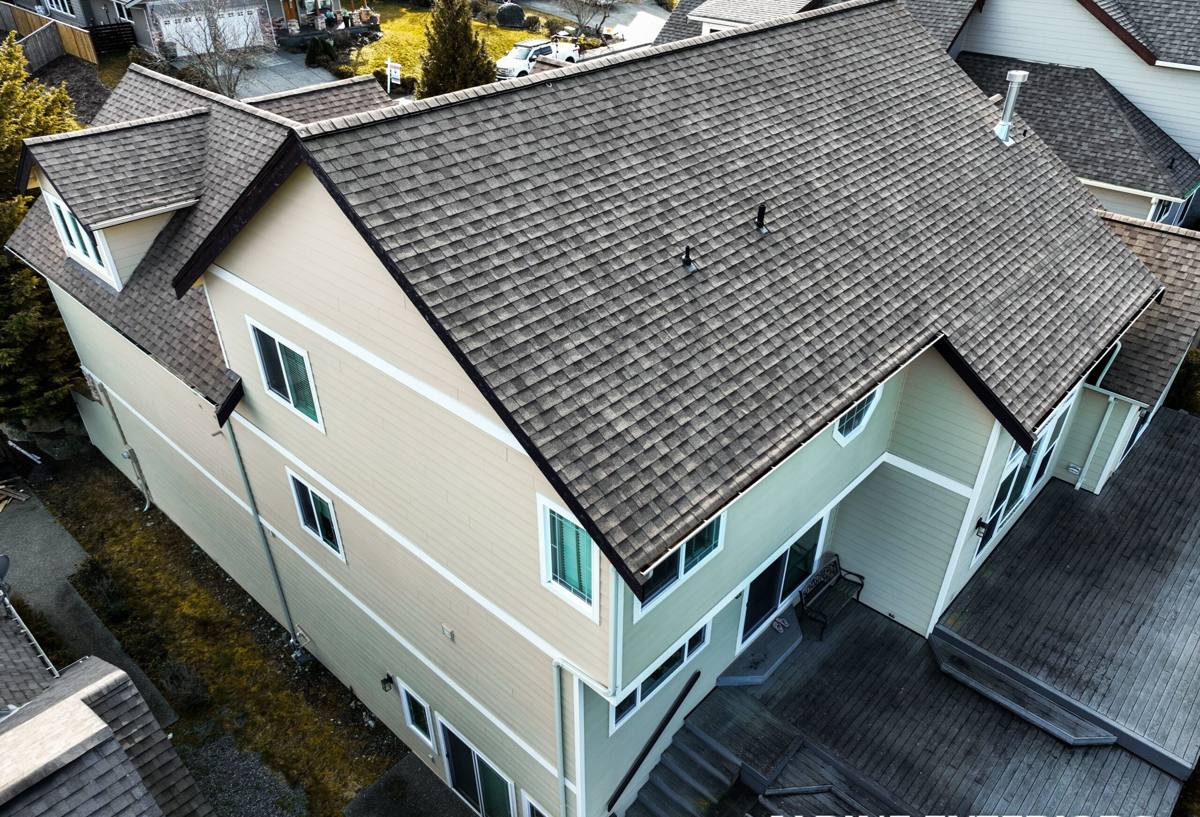
Choosing a Decking Material That Will Actually Hold Up
There's no single right answer for every homeowner — budget, maintenance tolerance, and how long you plan to stay in the house all factor in. What matters is picking with an honest understanding of how each material behaves under Pinellas County sun and rain, not just how it looks in a showroom.
| Material | Upfront Cost | Maintenance | How It Handles This Climate | Our Take |
|---|---|---|---|---|
| Pressure-Treated Pine | Lowest | High — sealing or staining on a regular schedule | Prone to graying, cupping, and splintering under sustained sun and rain cycles if upkeep lapses | Budget-friendly, but it's the material that punishes a skipped maintenance year the most |
| Composite (capped) | Mid to high | Low — periodic washing, no sealing or staining | Resists UV fading and moisture absorption significantly better than wood; won't splinter or rot | What we recommend for most Countryside homeowners who want to spend less time maintaining a deck |
| Tropical Hardwood | Highest | Moderate — occasional oiling to hold color | Naturally dense and rot-resistant; will gray without upkeep but stays structurally sound | A premium option for homeowners who want a wood deck and are willing to keep up with it |
Whatever material a homeowner chooses, the frame underneath matters just as much as the surface — a beautiful composite deck built on undersized or poorly fastened framing will fail before the decking itself ever shows its age. For decks built close to a pool or screened lanai, it's also worth thinking about how hot a surface gets barefoot in full Florida sun; lighter colors and certain composite formulations stay noticeably cooler than dark wood or dark composite boards in constant afternoon exposure.
Framing and Structural Details We Don't Skip
Most deck problems we get called out to inspect started in the framing, not the decking boards on top. The parts a homeowner never sees are the parts that determine whether a deck is still solid in ten years or needs to be rebuilt in five.
Ledger Attachment and Flashing
The ledger board — where the deck attaches to the house — is the single most common failure point on residential decks nationally, and wind-driven rain in this climate makes correct flashing even more important. We flash the ledger connection to shed water away from the house framing rather than trapping it against the wall, and we use fasteners sized and spaced for real structural load, not just what's fast to install.
Post Footings and Beam Sizing
Footings need to be sized and set to the depth the soil and structure actually require, not a one-size-fits-all guess. Given how much of Countryside sits on flat, moisture-retentive ground, we pay close attention to drainage around footings and use beams and posts sized for the actual span and load, rather than the minimum that happens to look sufficient.
Fasteners and Hardware: Where Cheap Decks Fail First
Salt air and humidity are hard on metal, and a deck built with standard, uncoated fasteners in this climate will show rust streaks and weakening connections years before the wood or composite surface shows any wear. We use stainless steel or coated fasteners and connectors rated for coastal exposure, along with hurricane straps and structural hardware sized to the actual wind loads the deck needs to resist — not because it's required on every job, but because it's the difference between hardware that lasts and hardware that becomes the weak point a few years down the road.
Railings, Stairs, and Permitting
Railings and stairs are where deck safety and code compliance come together, and they're not an area to cut corners on guesswork. Guardrail height, baluster spacing, and stair rise and run all follow Florida Building Code residential requirements, and most new deck construction and many significant repairs require a permit — whether that runs through the City of Clearwater or Pinellas County directly depends on the property. We handle the permitting and inspection process as part of the project, including scheduling the inspections themselves, so homeowners aren't left figuring out code requirements or chasing down an inspector on their own.
How We Build a Deck in Countryside
The process is straightforward, but we don't skip steps to move faster.
- On-site assessment — we look at the yard, drainage, sun exposure, and how the deck will connect to the house before talking materials
- Design and material selection — sized and specified for the load, the wind exposure, and the homeowner's budget and maintenance preference
- Permitting and engineering — pulled and coordinated before any framing goes in the ground
- Construction — footings, framing, decking, and railings built to the plan and inspected as work progresses
- Final inspection and walkthrough — confirming the deck passes inspection and walking the homeowner through care and maintenance
Keeping a Countryside Deck Sound Through Every Season
A well-built deck in this climate still needs regular attention — the sun, rain, and salt air don't take a season off, so maintenance shouldn't either.
- Inspect fasteners and hardware once a year for rust streaks or corrosion, especially connections near the ground or close to the house
- Rinse salt residue and organic debris off the deck surface periodically, particularly after storms
- Reseal or restain wood decking on a regular schedule — skipping a season in this sun accelerates fading and checking
- Check underneath the deck for standing water, blocked drainage, or vegetation growing against posts and footings
- Test railings and stair stringers for looseness or movement, not just visible surface damage
- Watch for soft or spongy spots in decking boards, a sign moisture has gotten past the surface finish
Signs an Existing Deck Needs a Closer Look
Older decks around Countryside, especially ones built before current wind and fastener standards were common practice, are worth a periodic honest inspection rather than waiting for an obvious problem.
- Rust staining or streaking around screws, bolts, or connector plates
- Any movement or bounce in the deck surface that wasn't there before
- Gaps or separation where the ledger board meets the house
- Wobbly or loose railings and stair stringers
- Popped or backed-out fasteners along the decking or framing
- Soft, discolored, or splintering boards, particularly near ground contact
Why a Crew That Already Works in Countryside Matters
A contractor who already works this part of Pinellas County knows the permitting process for the area, has a working sense of the soil and drainage conditions common on Countryside lots, and has already made the material and hardware decisions that hold up here versus the ones that don't. That's not something a crew coming from outside the area picks up on the first job — it comes from building and maintaining decks through actual Gulf Coast storm seasons and watching what lasts, and it means someone local is still around if a fastener needs a look or a board needs attention a few years after the build.
If you're planning a new deck or want an honest look at one that's showing its age, we're happy to come take a look. Reach out for a free, no-pressure estimate — we'll walk the property, talk through what the space actually needs, and lay out options that fit both the house and the budget.