 Clearwater Siding
 Windows and the Coachman Ridge Climate Reality
Coachman Ridge sits inland from the Gulf but still lives under the same weather rules as the rest of Clearwater and Pinellas County: hurricane-force wind gusts during storm season, intense year-round UV exposure, wind-driven rain that finds every gap in a poorly sealed frame, and salt-laden air that works its way inland on sea breezes and corrodes metal components over time. Windows here don't fail because homeowners neglect them. They fail because the climate is doing constant, low-level damage that only becomes obvious once a frame is warped, a seal is broken, or a storm exposes a weak point.
A window installation in this area has to account for all four of those stressors at once — not just wind rating on paper, but real-world sealing, drainage, and frame durability over a 15-to-25-year service life in a hot, humid, storm-prone climate.
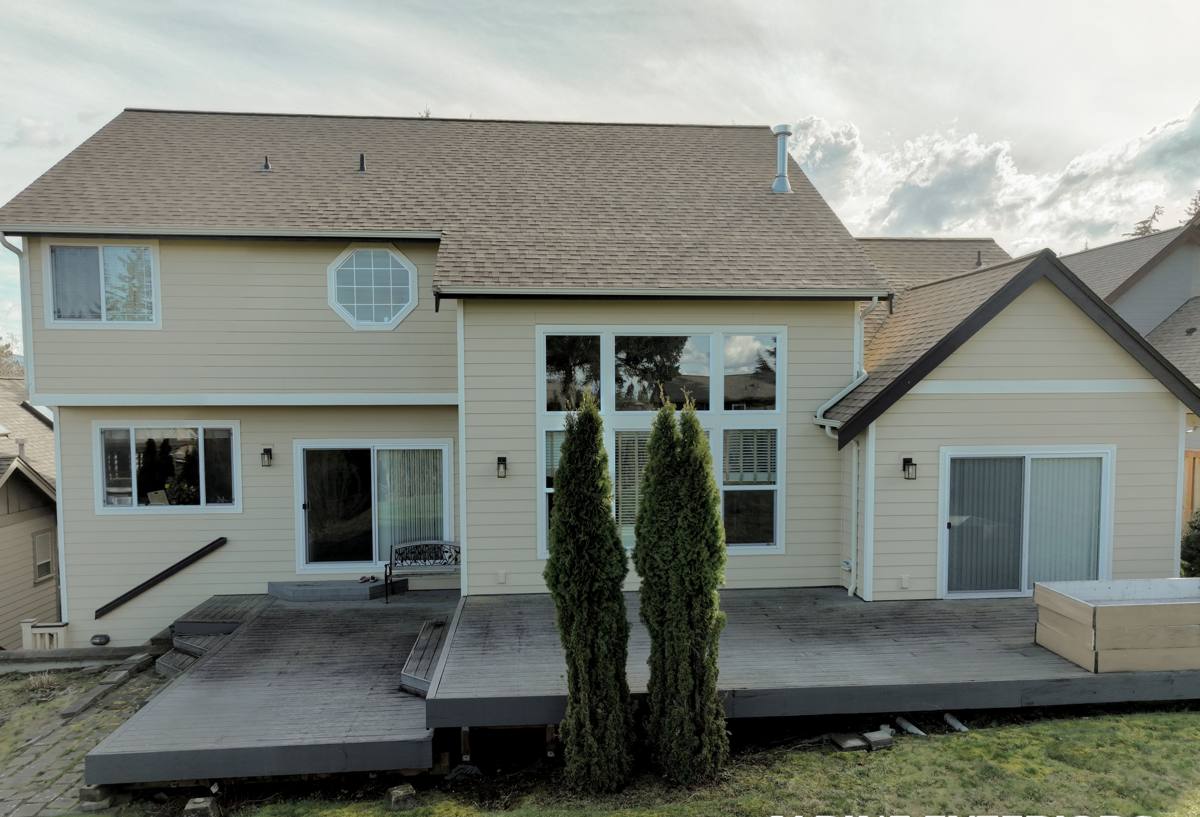
What Coachman Ridge Homes Typically Need From Their Windows
Original and Early-Replacement Windows Reaching the End of Their Life
Like most established Clearwater neighborhoods, Coachman Ridge has a mix of home ages, and many properties still carry windows that were either original to the house or installed decades ago during an earlier renovation cycle. Single-pane glass and older aluminum frames were common at the time and were never engineered to today's wind-load or impact standards. Aluminum in particular is prone to pitting and corrosion from years of salt-air exposure, and older weatherstripping and glazing compounds dry out and crack long before the frame itself gives out.
Additions, Renovations, and Mixed Window Ages
It's also common to find a home with two or three different window generations installed over the years — an addition with newer units next to original openings that were never updated. That mix creates inconsistent performance: some openings meet current wind and impact standards while others are the weak point in the house during a storm. Part of a proper assessment is identifying which openings are actually adequate and which ones are quietly putting the rest of the home at risk.
What a Correct Window Installation Actually Involves
Removing the Old Unit Without Damaging the Opening
Careful demolition matters more than most homeowners expect. Rushed removal can crack stucco, damage the rough opening, or hide rot in the framing that needs to be addressed before a new window goes in. We check the opening for water damage and structural soundness every time — installing a new window into a compromised opening just locks the problem behind a fresh frame.
Flashing and Sealing Against Wind-Driven Rain
Wind-driven rain doesn't fall straight down — it gets pushed sideways and upward under eaves and around frames, which is exactly where cheap or rushed installs fail first. Correct flashing, sill pans, and sealant application create a drainage path that moves water back out instead of letting it collect against the framing. This is the step that determines whether a window leaks during the next tropical storm, and it's also the step that's easiest to shortcut if a crew is moving too fast.
Impact-Rated Glass and Florida Building Code Compliance
Pinellas County falls within Florida's High-Velocity Hurricane Zone influence area, and window replacements are governed by the Florida Building Code's wind-borne debris and pressure requirements. That means the product installed needs a valid Notice of Acceptance (NOA) or Florida Product Approval matching the home's wind zone and exposure category — not just a window that "looks" storm-rated. Installing the wrong design-pressure rating for the opening size is a common corner-cutting mistake that isn't obvious until it's tested by real wind.
Interior and Exterior Finish Work
The visible trim, caulking, and paint-ready finish work is what a homeowner judges the job by day one, but it should never come before the structural and weatherproofing steps above. A clean finish over a poorly sealed frame just delays the problem.
Impact Windows vs. Standard Windows with Separate Shutters
Homeowners in Coachman Ridge often ask whether it's better to install impact-rated windows outright or stick with standard windows and rely on shutters or panels during storms. Both meet code when installed correctly, but they behave very differently day to day.
| Factor | Impact-Rated Windows | Standard Windows + Shutters/Panels |
|---|---|---|
| Storm protection | Built in, no action needed before a storm | Requires installing panels or closing shutters every time |
| Daily UV and heat reduction | Laminated glass blocks significant UV year-round | No daily UV benefit; standard glass only |
| Noise reduction | Noticeably quieter, especially near traffic | Typical of standard dual-pane glass |
| Upfront cost | Higher per opening | Lower window cost, plus ongoing shutter/panel cost |
| Maintenance | Frame and seal checks only | Shutters/panels need storage, hardware upkeep, and someone home to install them |
| Insurance considerations | Often qualifies for wind-mitigation credits | May qualify depending on shutter type and coverage |
Neither option is wrong — it depends on budget, how the home will be used, and whether you want storm protection that's already in place versus a lower upfront cost with more manual prep before every storm.
Our Window Installation Process in Coachman Ridge
1. On-Site Assessment and Measurement
We start by inspecting each opening individually rather than treating the house as one uniform job. That includes checking framing condition, current flashing, and which wind zone and exposure category apply to the property, since design-pressure requirements can vary even within the same neighborhood depending on the home's height and shielding.
2. Product Selection Matched to the Opening
We go over frame material, glass package, and impact rating options against your budget and how each opening is used — a bedroom window has different priorities than a large picture window on a west-facing wall taking the brunt of Florida sun.
3. Install Day
Old units come out, openings get inspected and repaired if needed, and new windows go in with proper flashing, shimming, and sealing before trim and finish work. We keep the work area contained and clean up debris as we go.
4. Final Walkthrough and Permit Close-Out
We test operation on every window, check seals, and walk the job with you before closing out any required permits and inspections with the county or city.
Signs Your Current Windows Are Due for Replacement
- Visible fogging or moisture between panes of double-glazed units — the seal has failed
- Windows that are difficult to open, close, or lock, or that no longer sit flush
- Chalky, pitted, or corroded aluminum frames, especially near the coast-facing side of the home
- Drafts or a noticeable temperature difference near the window even with it closed
- Water staining, soft framing, or bubbled paint on the wall around a window
- Single-pane glass with no impact rating in a home that has never been upgraded
- Noticeably higher cooling costs during peak summer months without another clear cause
Permits, Wind Zones, and Pinellas County Code Requirements
Window replacement in Clearwater requires a permit, and the inspector will check that the installed product's NOA or Florida Product Approval matches both the wind zone for the property and the actual opening size. Skipping the permit step, or using a contractor who doesn't pull one, leaves the homeowner exposed — unpermitted work can complicate insurance claims and resale, and there's no third-party verification that the install actually meets code. We handle the permit and inspection process as a standard part of the job, not an add-on.
Why Local Experience in Coachman Ridge Matters
A crew that regularly works Clearwater neighborhoods like Coachman Ridge already understands the county's permitting process, the typical wind-zone requirements for the area, and the kinds of window ages and frame conditions common to homes here. That familiarity shortens the assessment phase, avoids back-and-forth with the permitting office, and means fewer surprises once demolition starts. It also means we're not guessing at what Pinellas County's coastal climate does to a window over ten or twenty years — we see the results of it regularly.
Caring for New Windows After Installation
Impact-rated and standard windows both hold up better with basic upkeep: rinsing salt residue off frames and glass periodically, keeping weep holes clear so water drains properly, and checking exterior caulking annually for cracking or gaps, especially after a hard storm season. None of this is labor-intensive, but skipping it shortens the life of even a well-installed window in this climate.
If your windows are showing their age or you're not sure whether they'd hold up in the next storm, we're happy to take a look and give you a straight answer. Fill out the form below for a free, no-pressure estimate on window installation for your Coachman Ridge home.