 Clearwater Siding
 Why Safety Harbor Homes Need Windows Built for This Climate
Safety Harbor sits along Old Tampa Bay, and that waterfront position means the windows on a home here are working harder than windows almost anywhere inland. Hurricane-force wind events, wind-driven rain that gets pushed sideways into wall assemblies, intense year-round UV that bakes down on frames and seals, and a steady dose of salt air off the bay all combine to shorten the life of a window that wasn't specified for coastal Florida. When we talk about "custom windows" for a Safety Harbor home, we're not starting with decorative grilles or specialty shapes — we're starting with the size, structural rating, and materials that will actually hold up under these conditions year after year.
A lot of window failures we get called out to inspect in this part of Pinellas County aren't dramatic hurricane damage. They're slow problems: a frame that's chalked and pitted from UV exposure, hardware that's corroded from salt in the air, or a seal that's failed and let humidity into the glass unit, leaving a permanent haze between the panes. None of that happens overnight, and none of it is covered by simply buying a more expensive window off a showroom floor. It comes down to matching the right product to the specific exposure your house gets and installing it correctly the first time.
What "Custom" Actually Means for Your Windows
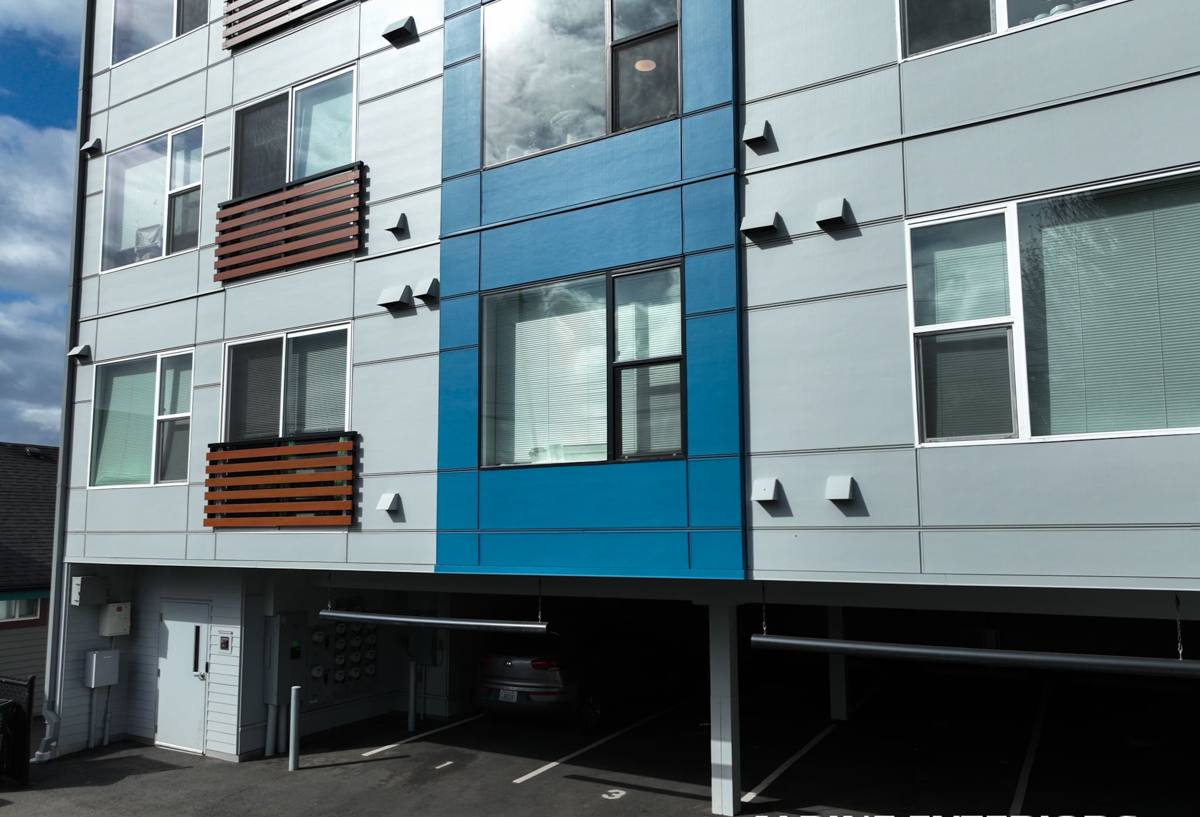
Custom doesn't have to mean unusual shapes or oversized statement windows, though we do those too. For most Safety Harbor homes, "custom" simply means the window is manufactured to the exact opening in your wall rather than forced to fit a stock size. Older homes in this area — and there are plenty of them, from mid-century block construction to more recent builds — often have openings that don't match modern standard dimensions exactly. Trying to jam a stock-size window into an opening that's a half-inch off in any direction leads to shimming problems, uneven weight distribution, and gaps that get packed with extra sealant instead of being properly flashed.
Custom sizing also matters when you're changing the window type during a replacement — going from a single-hung to a casement, or combining two smaller openings into one larger picture window with flanking operable units. That kind of change means the new unit has to be engineered for the actual structural opening and wind load of your wall, not adapted from a generic size chart.
When Custom Is the Right Call
- Your home's openings are older or non-standard sizes
- You're changing window style, not just swapping like-for-like
- You want larger glass areas for a water or greenspace view, which changes the structural and wind-load math
- You're combining or resizing openings during a broader exterior renovation
- A prior owner installed something that was never sized or rated correctly to begin with
Impact Rating and What Florida Code Actually Requires
Pinellas County follows the Florida Building Code, and depending on your exact location, flood zone, and wind speed line, that code will require either impact-rated glazing or an approved alternative — typically code-compliant shutters — on openings that face design wind pressures. Because Safety Harbor is close to the water, many homes here fall into wind zones that push toward the stricter end of that requirement. The exact number that applies to your address depends on your specific wind speed line and any local amendments, so this isn't something we guess at — it's something we confirm before we ever write a proposal.
Impact windows use laminated glass with an interlayer that holds the pane together under impact instead of shattering outward. That construction does double duty: it protects the opening during storms, and it meaningfully cuts down the intense UV and heat load coming through the glass the other 360 days of the year, which matters a lot given how much direct sun this part of Florida gets. If your current windows predate the modern code, or if you're not sure whether they meet it, that's worth checking before you assume you're covered — permit records and manufacturer labels usually settle it quickly.
Materials: What Actually Holds Up on the Bay
Frame material is where a lot of window budgets get spent, and it's also where corrosion and UV exposure do the most damage over time if the wrong material is chosen for the location. Here's how the common options behave in a salt-air, high-UV environment like Safety Harbor's:
| Material | Salt Air / Corrosion Behavior | UV & Heat Behavior | Typical Best Use |
|---|---|---|---|
| Vinyl | Does not corrode; performs well near the bay | Quality varies — cheaper vinyl can warp or discolor under constant sun | Budget-conscious replacements on most home styles |
| Aluminum | Prone to pitting and corrosion without marine-grade coatings | Handles heat well structurally; conducts heat into the home if not thermally broken | Larger openings needing a slim, strong frame |
| Fiberglass / composite | Excellent — does not rust or pit | Very stable dimensionally, low expansion in heat | Homeowners wanting the longest service life with less maintenance |
| Wood-clad | Vulnerable at any point the cladding is breached; needs vigilant maintenance | Handsome appearance but the most exposure-sensitive option here | Interior-facing or protected openings where appearance is the priority |
We're not going to tell you one material is the only correct answer, because it depends on your budget, your home's style, and how exposed a particular opening is to direct salt spray and sun. What we will say plainly: on a bay-facing home, we steer people away from wood-clad windows on exposed elevations, not because the wood itself is bad, but because the maintenance burden in this climate is high and the failure mode — moisture getting behind the cladding — is hard to catch early. That's an honest trade-off conversation we have on-site, not a sales pitch for whatever we have the most of in stock.
Our Installation Process for Safety Harbor Homes
Correct installation matters as much as the window itself — arguably more, since even a top-tier window will leak or fail early if it's flashed and sealed incorrectly. Here's how a proper job goes:
1. Site Assessment and Measurement
We measure each opening individually, note the wall construction (block, frame, or a mix, which is common in additions), and check for any existing water intrusion or rot around the current window before we ever order product. This is also when we confirm which wind zone and impact requirements apply to your specific address.
2. Removal Without Damaging the Opening
Old windows come out carefully so we don't tear up stucco, block, or framing that doesn't need to be touched. If we do find rot, damaged sheathing, or a prior installation that was never flashed correctly, we address it before the new window goes in — not after.
3. Flashing and Weatherproofing
This is the step that actually keeps wind-driven rain out of your walls, and it's the step corners get cut on most often industry-wide. Proper sill pan flashing, correctly lapped water-resistive barrier, and sealant used in the right locations (not as a substitute for flashing) are what separate a window that survives a decade of Gulf storms from one that doesn't.
4. Setting, Shimming, and Fastening
The window gets shimmed level, plumb, and square, then fastened per the manufacturer's tested installation instructions — which, for impact-rated products, is also what keeps your product warranty and code compliance intact. Skipping the manufacturer's fastening schedule is a common shortcut that voids both.
5. Interior and Exterior Finish
Trim, interior sealant, and exterior caulking get finished to match your home, and every opening gets a final inspection before we call the job done.
Problems We Commonly Find in This Area
Because we work regularly in Safety Harbor and the surrounding Clearwater area, we see the same handful of issues repeatedly on inspections:
- Failed seals on older insulated glass units — a foggy or hazy look between the panes that no amount of cleaning fixes, usually from years of heat cycling
- Corroded hardware — locks, hinges, and cranks that seize up or crumble, especially on aluminum units without marine-grade coatings
- Caulk used as a substitute for flashing — a common shortcut from past installations that works until the caulk ages and cracks, then lets water in behind the wall
- Sun-damaged vinyl — frames that have gone brittle or discolored from UV, usually on west- and south-facing elevations that take the harshest afternoon sun
- Undersized or non-rated glass on exposed elevations — older installations that predate current wind-load requirements
What Drives the Cost of Custom Windows Here
There's no single price we can quote without seeing your home, but these are the factors that move the number up or down on almost every Safety Harbor project:
| Factor | Why It Matters |
|---|---|
| Impact rating | Laminated impact glass costs more than standard glass but can eliminate the need for separate shutters |
| Frame material | Fiberglass and higher-end vinyl cost more upfront than basic vinyl or standard aluminum |
| Opening size and count | Larger openings and whole-house projects have different per-unit economics than a single replacement |
| Structural changes | Resizing an opening or changing window style costs more than a like-for-like swap |
| Existing damage | Rot, corrosion, or improper prior flashing found during removal adds repair work before installation |
| Access and elevation | Second-story or hard-to-reach openings take more labor and equipment |
We give a written, itemized estimate before any work starts, so you can see exactly what you're paying for at each opening rather than a single lump-sum number.
Choosing the Right Window for Your Home
Before you settle on a product, it helps to walk through a short list of questions with whoever is quoting your project:
- What wind zone does my specific address fall under, and does that require impact glass or an approved shutter system?
- Is the quoted frame material appropriate for this elevation's sun and salt exposure, or just the cheapest option available?
- Will the installer follow the manufacturer's tested fastening and flashing schedule, and can they show me that instruction sheet?
- What's actually covered under the product warranty, and does it require registration or specific installation documentation?
- Are permits being pulled for this work, and who is responsible for scheduling the inspection?
Why a Local Safety Harbor Crew Makes a Difference
A contractor who works regularly in Safety Harbor and the wider Clearwater area already knows the wind zones, the permitting process through Pinellas County, and which materials actually hold up on bay-facing homes versus what looks fine on a spec sheet but struggles here in practice. That local knowledge shows up in small decisions — which flashing detail to use on a stucco-over-block wall versus a frame wall, which hardware finishes resist salt corrosion, which elevations on your specific lot need the most UV-resistant glass — that a crew unfamiliar with this coastline wouldn't think to ask about.
It also matters after the sale. Warranty claims, resealing, and hardware adjustments are a lot easier to get handled promptly when the company that installed your windows is still working in your neighborhood, not three counties away.
If you're weighing your options for custom windows on a Safety Harbor home, we're happy to come take a look, walk the openings with you, and put together a straightforward, itemized estimate — no pressure, no obligation. Just an honest read on what your home actually needs.