 Clearwater Siding
 New Roof Installation Built for Countryside's Climate Realities
Countryside is one of Clearwater's larger established residential communities, and a lot of its housing stock dates back several decades. That means a large share of Countryside roofs are either on their original covering or on a second roof that's now aging out. When it's time to replace one, the job needs to account for what Pinellas County actually throws at a roof year-round: intense subtropical UV, wind-driven rain off the Gulf, salt-laden air, and the real possibility of hurricane-force gusts during storm season. A new roof installed the right way in Countryside isn't just about swapping old shingles for new ones — it's about building an assembly that's matched to this specific climate from the deck up.
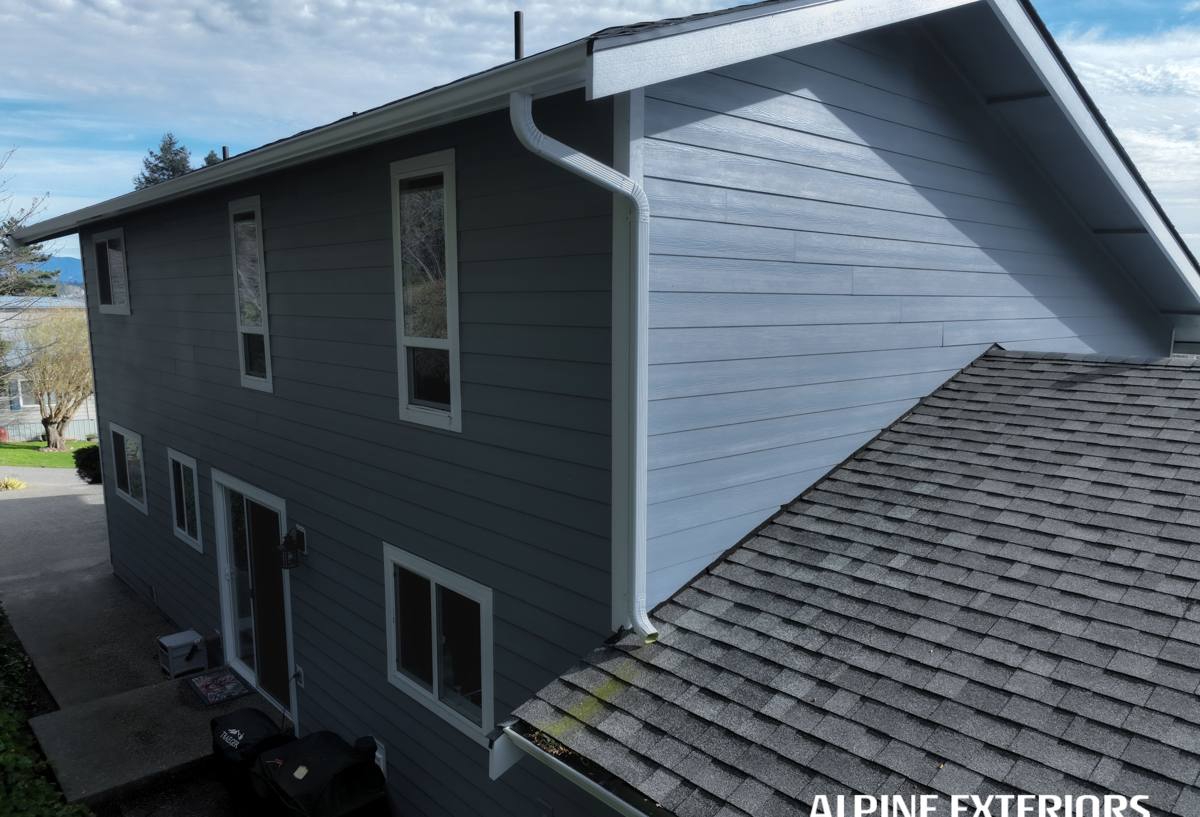
Why Countryside Homes Face Unique Roofing Demands
Countryside's tree-lined streets and mature landscaping are part of what makes the neighborhood attractive, but shade and debris also affect roof performance. Overhanging limbs drop leaves and organic debris into valleys and against walls, which holds moisture longer than an open roof would. Combined with Florida's humidity, that creates conditions where algae staining, granule loss, and slow deck deterioration can creep in without an obvious leak to announce it.
Sun, Salt, and Storms
Clearwater's UV exposure is relentless almost every month of the year, and it breaks down asphalt shingle oils and adhesives faster than in most parts of the country. Being close enough to the Gulf and Tampa Bay to pick up salt air adds another layer of stress on exposed metal fasteners, flashing, and vents. Then there's wind: Pinellas County building code exists specifically because this area gets hit with tropical systems and severe thunderstorm winds, and a roof that isn't installed to current wind-resistance standards is the weak point in an otherwise solid home.
Signs a Countryside Home Needs a New Roof, Not Another Repair
Not every roofing problem calls for full replacement, but there's a point where patch-and-repair stops making financial sense. Homeowners in Countryside should treat a professional inspection as the deciding factor, but these are the common indicators we look for:
- Shingles that are curling, cupping, or losing granules across large sections rather than one isolated spot
- A roof approaching or past 20-25 years old (typical asphalt shingle lifespan under Florida sun)
- Multiple past repairs in different areas, suggesting the whole system is aging out together
- Visible daylight or water staining in the attic, especially around valleys, chimneys, or skylights
- Soft or spongy decking discovered during an inspection, which signals moisture has already gotten underneath
- Difficulty getting affordable insurance renewal due to roof age or condition
What a Correct New Roof Installation Involves
A roof is a system, not a single layer of material. Skipping or rushing any one component is usually where premature failures come from, especially in a climate this demanding. Here's what should happen on every legitimate new roof installation:
Full Tear-Off and Deck Inspection
We remove the existing roofing material down to the deck rather than installing over an old layer. This lets us physically inspect every square foot of decking for rot, delamination, or soft spots caused by long-term moisture intrusion — problems that are invisible from above and that a layover installation would simply seal in.
Deck Repair and Preparation
Any damaged sheathing gets replaced and properly fastened before anything new goes down. This step matters more in coastal Florida than in drier climates, because compromised decking under a brand-new roof covering will fail from the inside regardless of how good the shingles or tile above it are.
Underlayment and Moisture Barrier
A high-quality synthetic or self-adhering underlayment goes down next, along with specialized ice-and-water-style membrane in vulnerable areas like valleys, eaves, and roof penetrations. This is the roof's real waterproofing layer — the visible material above it sheds most of the water, but the underlayment is what stops leaks during wind-driven rain that pushes water sideways and under shingle tabs.
Flashing, Vents, and Penetrations
New flashing around chimneys, walls, skylights, and any roof penetrations is installed rather than reused. Old flashing is one of the most common sources of hidden leaks, and reusing it to save time is a shortcut we don't take.
Ventilation
Proper attic ventilation keeps roof deck temperatures and moisture levels in check, which extends the life of the new roofing material and helps with energy costs in Florida's heat. We evaluate intake and exhaust balance rather than just adding vents randomly.
Material Installation to Wind-Rated Standards
Fastening patterns, nail placement, and material selection are matched to Pinellas County's wind zone requirements, not just manufacturer minimums. This is the difference between a roof that meets code on paper and one that's actually built to hold up in a real windstorm.
Roofing Material Options for Countryside Homes
Most Countryside homes use asphalt shingles, but tile and metal are both viable depending on the home's structure, budget, and the look the homeowner wants. Each has real trade-offs worth understanding before choosing.
| Material | Typical Lifespan | Climate Considerations |
|---|---|---|
| Architectural asphalt shingles | 20-30 years | Good wind ratings available; most cost-effective; UV and granule wear are the main long-term concerns |
| Concrete or clay tile | 40-50+ years | Excellent wind and heat performance; heavier, so structure must support it; underlayment failure is the real risk, not the tile itself |
| Standing seam metal | 40-60 years | Strong wind and impact resistance; reflects heat well; higher upfront cost; fastener and coating quality matter near salt air |
We'll walk through which option fits your home's roof structure, HOA or deed restriction guidelines common in established Countryside sections, and budget — there's no single "best" material, only the best fit for a given house.
Our New Roof Installation Process, Step by Step
- Inspection and estimate: We assess the current roof, attic ventilation, and decking condition, then provide a written estimate with material options.
- Material selection: We help you choose a shingle, tile, or metal system based on wind rating, appearance, and budget.
- Permitting: We pull the required City of Clearwater or Pinellas County building permit before work begins — this isn't optional and it protects you.
- Tear-off and disposal: Old roofing material is removed and hauled away; the deck is inspected and photographed.
- Deck repair: Any compromised sheathing is replaced before moving forward.
- Underlayment and flashing installation: The waterproofing layer and all new flashing go in first.
- New roof installation: Material is installed to manufacturer and Florida Building Code wind-fastening specifications.
- Final inspection and cleanup: We walk the job with you, arrange the municipal inspection, and do a full site and yard cleanup, including a magnetic sweep for stray nails.
Cost Factors for a New Roof in Countryside
Every roof is different, so exact numbers require an on-site look, but the following factors are what actually move the price up or down on most Countryside homes:
| Factor | Why It Matters |
|---|---|
| Roof size and pitch | More square footage and steeper slopes mean more material and labor time |
| Number of layers to remove | Homes with a prior layover roof require extra tear-off work |
| Decking condition | Rotted or delaminated sheathing adds material and labor for replacement |
| Material choice | Asphalt, tile, and metal carry different material and installation costs |
| Roof complexity | Valleys, dormers, skylights, and chimneys all add labor and flashing work |
| Wind mitigation upgrades | Meeting current fastening and underlayment standards can qualify you for insurance discounts |
Permits, Wind Mitigation, and Insurance in Pinellas County
A permitted, code-compliant new roof does more than satisfy the county — it can materially affect your homeowner's insurance premium. Florida insurers use wind mitigation inspections to assess roof shape, deck attachment, roof-to-wall connections, and opening protection, and a new roof installed to current standards typically scores better than an older one. After installation, we provide the documentation you'll need to give your insurance agent for a wind mitigation reassessment. Skipping permits or using an unlicensed crew to save money is a common mistake that can come back to bite a homeowner at resale or claim time, since unpermitted work often has to be disclosed and can complicate a sale.
Why Hire a Crew That Already Works Countryside
Roofing crews who regularly work in this part of Clearwater already understand the common roof ages, structural styles, and HOA expectations found throughout Countryside's various sections. That familiarity translates into fewer surprises during tear-off, faster permit navigation with the City of Clearwater, and material recommendations that reflect what genuinely holds up here rather than generic advice. It also means we're a known, reachable local business if you ever need a warranty question answered or a follow-up visit — not a crew that disappears once the final payment clears.
What to Look For Before You Hire
- Current Florida roofing license and general liability/workers' comp insurance, verifiable through the state license lookup
- A written estimate that specifies materials, underlayment type, and fastening approach — not just a total price
- Willingness to pull the permit themselves rather than asking you to pull it
- A clear plan for deck repair pricing before, not after, they've already removed your old roof
- Manufacturer certification if you're considering a material with an enhanced or extended warranty
- References or completed work you can actually verify, not just a promise
If your Countryside home's roof is aging, showing wear, or just due for an honest second opinion, we're glad to take a look. Reach out for a free, no-pressure estimate using the form below — we'll assess your roof, answer your questions in plain terms, and give you a straightforward recommendation either way.