 Clearwater Siding
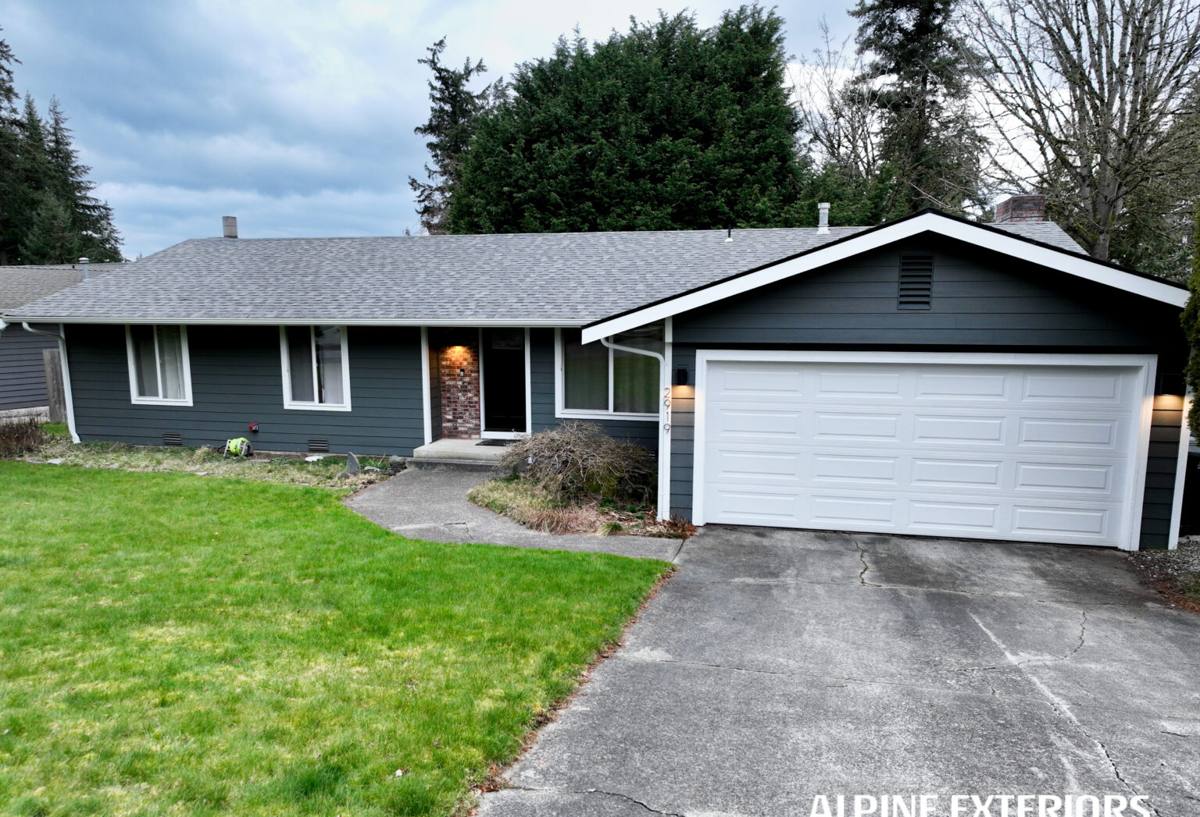
 Siding Replacement for Seminole Homes
Seminole sits in the thick of it — close enough to the Gulf and Intracoastal to catch salt-laden air, exposed to the same summer storm cycles and wind events that hit the rest of Pinellas County, and baked by the same relentless Florida sun nearly every month of the year. Siding here doesn't get a break. It's asked to hold paint, hold shape, and hold up against hurricane-force gusts, wind-driven rain, and UV exposure that would chalk and fade lesser materials within a few years.
When siding starts to fail in this climate, it usually fails quietly at first — a soft spot near a window sill, a seam that's opened up, paint that won't hold anymore — and then all at once during the next big storm. Replacing it correctly, with a material built for this environment, is one of the more consequential exterior decisions a homeowner in this area will make.
Why Seminole's Climate Is Hard on Siding
A few things stack up against exterior siding here that don't apply the same way in drier, cooler parts of the country:
- Wind-driven rain: Storms don't just drop rain, they drive it sideways into seams, laps, and fastener points that weren't designed to shed water under pressure.
- Hurricane-force wind loading: Even homes outside the direct path of a named storm see repeated high-wind events that flex panels, work fasteners loose, and stress poorly-sealed joints over time.
- Year-round UV: Florida sun is intense on a near-daily basis, not seasonally. Paint films and lesser siding substrates degrade faster here than almost anywhere else in the country.
- Salt air: Being close to the coast means airborne salt settles on exterior surfaces, accelerates corrosion of exposed fasteners and trim, and works against paint adhesion.
- Humidity and moisture cycling: Constant humidity means anything that traps moisture behind it — rather than shedding it — stays wet longer, which is exactly the condition that causes rot, mold, and substrate failure.
None of this is unique to Seminole specifically, but it's the daily reality for every home in this pocket of Pinellas County, and it's why generic siding advice written for a mild climate doesn't hold up here.
Signs a Seminole Home Needs Siding Replacement
Siding problems are progressive. Catching them early keeps a repair a repair, instead of letting it become a full replacement with water damage behind it. Common warning signs include:
- Visible warping, bowing, or buckling in panels, especially on the sides of the home that take the most sun and weather
- Soft or spongy spots when pressed, which usually indicate moisture has already reached the substrate
- Paint that's peeling, bubbling, or chalking heavily even after a repaint
- Cracked, split, or delaminating panels, particularly at butt joints and corners
- Visible gaps at seams, trim, or window and door transitions
- A musty smell or signs of moisture on interior walls that back up to exterior siding
- Rising cooling bills that suggest the siding and underlying wrap are no longer doing their job as a weather barrier
Any one of these on its own might be a minor fix. Several at once, or damage that keeps recurring in the same spot, usually points to a siding system that's reached the end of its service life.
What a Correct Siding Replacement Involves
It Starts Underneath the Siding, Not With It
The siding itself gets all the attention, but the materials and details underneath it are what actually keep a Seminole home dry. A correct replacement includes tearing off the old siding down to the sheathing, inspecting for rot or hidden moisture damage, repairing or replacing any compromised sheathing, and installing a proper weather-resistive barrier before a single new panel goes up. Skipping this step to save time is the single most common reason a siding job fails early in a climate like this one.
Flashing and Water Management
Every window, door, and roofline transition needs flashing detailed to shed water outward, not trap it behind the cladding. In a market that sees wind-driven rain regularly, this is not optional detailing — it's the difference between siding that sheds a storm and siding that quietly feeds water into the wall assembly for years before anyone notices.
Fastening for Wind Exposure
Fastener type, spacing, and placement all matter more in a high-wind coastal climate than they do inland. Correct nailing patterns and fastener penetration are what keep panels secured through repeated wind events, rather than working loose one storm at a time.
Proper Gapping and Caulking
Fiber cement siding needs to be installed with the manufacturer's specified gaps at butt joints and trim, then sealed with a quality sealant rated for exterior use. Installed too tight, panels have nowhere to move; installed too loose or without sealant, they invite water intrusion.
Why We Install Only James Hardie Fiber Cement
We don't install vinyl, LP SmartSide, Cemplank, Allura, or primed wood siding, and we're upfront about why. Every one of those products has legitimate uses somewhere — but in a coastal Florida climate with hurricane-force wind exposure, intense UV, and salt air, they each carry trade-offs we're not willing to put our name behind: vinyl can distort and crack under sun and wind stress, engineered wood products carry more risk around moisture and edge-swelling if any detail is off, and primed wood siding demands a repainting and caulking maintenance schedule that most homeowners underestimate.
James Hardie fiber cement siding is engineered specifically for this. It's non-combustible, it resists moisture-driven warping and swelling far better than wood-based products, and it holds its factory-applied ColorPlus finish through years of direct Gulf Coast sun without the chalking and fading that plagues field-painted siding. Hardie also builds region-specific HardieZone products — the HZ10 line is engineered for hot, humid climates exactly like ours, where moisture exposure and humidity cycling are constant rather than seasonal.
It backs that engineering with a strong, transferable product warranty, which matters both for homeowners who plan to stay long-term and those who may sell. We standardized on Hardie because, installed to spec, it's the product that consistently holds up to what this climate throws at it — not because it's the only siding that exists, but because it's the one we're confident stands behind.
Our Siding Replacement Process
- On-site inspection: We assess the existing siding, sheathing, and any visible moisture or structural issues before quoting anything.
- Tear-off: Old siding is fully removed, not covered over, so we can see exactly what condition the wall assembly is in.
- Substrate repair: Any rotted or damaged sheathing is repaired before new materials go on — installing over a compromised substrate just hides a problem, it doesn't fix it.
- Weather barrier installation: A proper moisture and weather-resistive barrier goes on before siding, with flashing detailed at every penetration and transition.
- James Hardie installation: Panels or planks are installed to manufacturer specification — correct fastening, correct gapping, correct clearances from grade and roofline.
- Trim, caulking, and finish work: All joints and transitions are sealed, and factory-finished ColorPlus material means no field painting is required for the siding itself.
- Final walkthrough and cleanup: We walk the property with the homeowner and make sure the site is left clean.
What Drives Siding Replacement Cost
Every home is different, and we don't quote sight-unseen — but these are the main factors that move a project's scope and cost up or down:
| Cost Driver | Why It Matters |
|---|---|
| Home size and number of stories | More surface area and taller elevations mean more material and more labor, including access equipment for multi-story sections |
| Condition of existing sheathing | Hidden rot or water damage found during tear-off adds repair scope that can't always be predicted before demo |
| Siding product line (HZ5 vs HZ10) | Climate-engineered lines and specific plank profiles vary in material cost |
| Trim and architectural detail | Corner boards, window trim, and accent details add labor time beyond flat wall coverage |
| Color and finish selection | Standard ColorPlus finishes versus premium or custom trim colors can shift material pricing |
| Tear-off and disposal volume | Multiple layers of old siding or heavier debris increase removal and disposal cost |
We walk every one of these through with the homeowner before any work begins, so there are no surprises once the crew is on site.
Why Hiring a Crew That Already Works in Seminole Matters
Siding installation isn't just a materials question, it's a local-conditions question. A crew that regularly works Pinellas County homes already understands the wind exposure requirements relevant to this area, knows how to detail flashing and fastening for a coastal climate, and has seen firsthand what happens when those details get skipped. That experience shows up in things a homeowner won't necessarily notice at the time of installation, but will notice five and ten years later when the siding is still tight, still sealed, and still holding its color.
It also matters for permitting and inspection. Exterior work in this region is subject to local building code and, depending on scope, permitting requirements — a contractor who works here regularly knows that process and isn't learning it on your project.
Questions Worth Asking Any Siding Contractor
- Do you tear off old siding completely, or install over it?
- What weather-resistive barrier and flashing details do you use at windows, doors, and roof transitions?
- Are you a licensed and insured contractor in Florida, and can you provide proof?
- What siding products do you install, and why did you choose them?
- What does your warranty cover — materials, labor, or both — and is it transferable?
- Do you pull permits for siding replacement work in this jurisdiction?
- Can you walk me through how you'll handle a section of damaged sheathing if you find one?
A contractor who answers these clearly and specifically, without hedging, is one who does this work often enough to have real answers.
Get a Free Estimate for Your Seminole Home
If your siding is showing its age, or you just want an honest read on its condition before storm season catches you off guard, we're happy to take a look. Estimates are free and there's no pressure to move forward — fill out the form below and we'll get in touch to schedule a time.