 Clearwater Siding
 Window Replacement in Belleair: A Job That Has to Account for the Coast
Belleair sits close enough to the Gulf that its homes take on a specific combination of stresses most inland properties never see: salt-laden air, sustained high humidity, intense year-round UV exposure, and the real possibility of hurricane-force wind and wind-driven rain during storm season. Window replacement here is not just a cosmetic upgrade or an energy-efficiency project — it's a chance to correct a weak point in the home's building envelope before the next major storm tests it. We work throughout the Clearwater area, including Belleair, and the approach we take reflects what actually happens to windows in this specific environment over time, not a generic national installation checklist.
A window replacement done right in Belleair looks different from the same job done in a drier, calmer climate. The frame material, the flashing detail, the fastening pattern, and even the sealant choice all need to account for salt exposure and storm loading. Skipping any of that doesn't show up on day one — it shows up two or three years later as staining, soft spots, or a window that fails during the first serious blow.
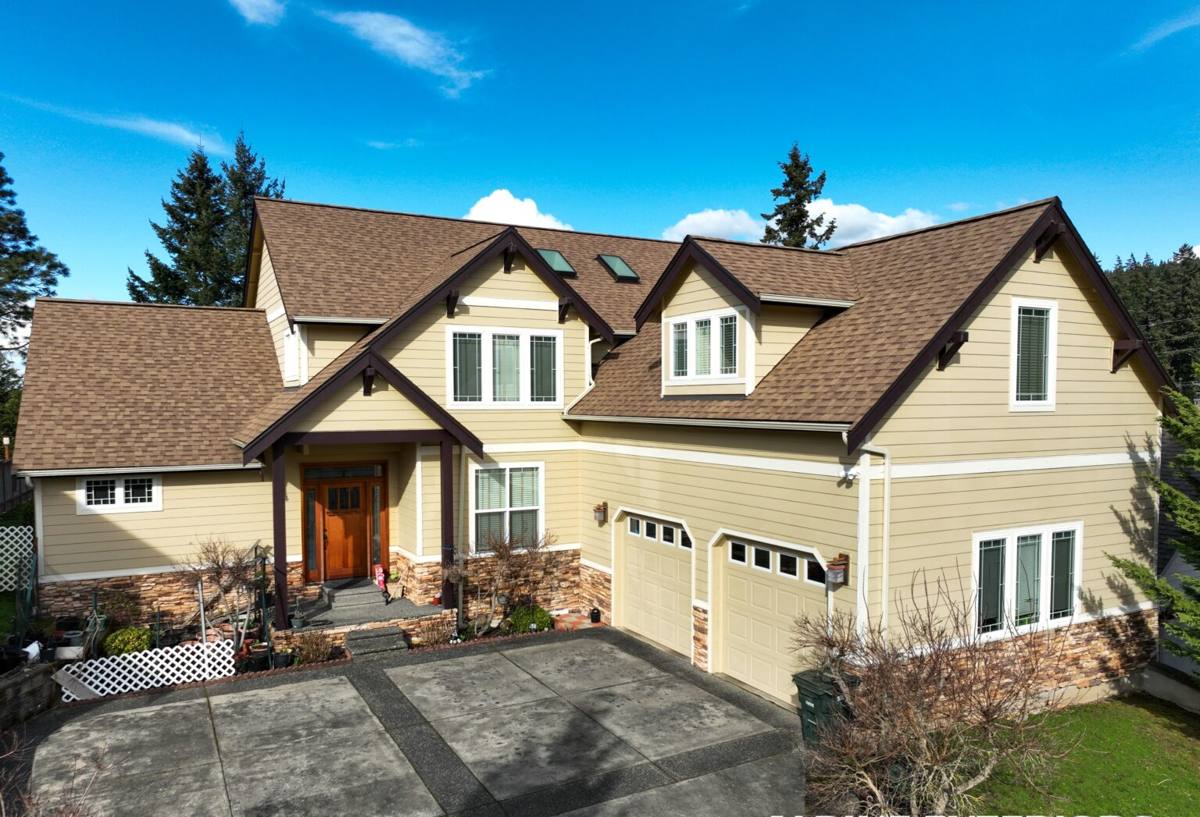
What Pinellas County's Climate Does to Windows Over Time
Every window on a Belleair home is under some form of load nearly every day of the year, even when the weather looks calm.
Salt Air and Corrosion
Proximity to the Gulf means airborne salt settles on and around window components continuously. Over years, salt exposure accelerates corrosion on lower-grade hardware, fasteners, and frame reinforcements. It also breaks down poor-quality sealants faster than inland exposure would, which is why hardware selection and sealant quality matter more here than they would fifty miles inland.
UV Exposure
Florida's UV load runs high essentially all year, not just in summer. Vinyl frames, weatherstripping, and glazing seals all degrade under sustained UV exposure. Lower-grade vinyl can chalk, warp, or become brittle years before it should, and degraded weatherstripping is one of the most common reasons an otherwise sound-looking window starts leaking air or water.
Wind-Driven Rain
Rain in this region rarely falls straight down during a storm — it's driven sideways by wind, which means it's forced against and around the window assembly with real pressure behind it. A window that would keep out ordinary rain in a calmer climate can still leak here if the flashing and drainage details weren't installed correctly.
Hurricane Wind Load
Windows are a structural component of the home's envelope during a hurricane, not just an opening. A window that fails under wind pressure or flying debris can pressurize the interior of the home and contribute to much larger structural damage. This is the reason wind-load rating and correct anchoring aren't optional details — they're the core of the job.
What a Correct Window Replacement Job Actually Involves
Window replacement is often sold as a simple swap: old window out, new window in. In a climate like this one, the parts of the job that happen around the window matter as much as the window itself.
Removal and Opening Inspection
Once the old window is out, we inspect the rough opening for hidden problems — moisture staining, soft or rotted framing, corroded fasteners, or signs that the previous installation was never properly flashed. This is often the first real look anyone has had at that opening in years, and it's the point where problems get caught before they're sealed behind a new window for another decade or more.
Flashing and Water Management
Flashing directs any water that gets past the window itself back out of the wall assembly instead of into it. Given how much wind-driven rain this area sees, correctly lapped and sealed flashing at the head, jambs, and sill is one of the most important — and most commonly rushed — parts of a window installation.
Fastening and Structural Attachment
The window has to be anchored into structurally sound framing with fasteners and spacing that match the manufacturer's tested wind-load specifications. This is where a window's rated performance and its actual field performance can diverge — a wind-rated window installed with the wrong fastening pattern doesn't perform to its rating.
Sealing, Insulation, and Finish Work
Low-expansion foam or backer rod and sealant around the frame closes air and water gaps without bowing the frame out of square. Interior and exterior trim is then reset or replaced so the finished opening looks clean and is fully weather-sealed, inside and out.
Impact-Rated vs. Standard Windows for a Belleair Home
One of the first decisions a Belleair homeowner faces is whether to install impact-rated windows or standard windows paired with separate storm protection. Both are legitimate approaches, but they come with different trade-offs worth understanding before you commit.
| Factor | Impact-Rated Windows | Standard Windows + Shutters/Panels |
|---|---|---|
| Storm protection | Built into the window; always in place | Depends on shutters/panels being installed before the storm |
| Upfront cost | Higher per window | Lower window cost, added cost for storm protection system |
| Day-to-day use | No extra steps needed before a storm | Requires time and labor to deploy protection |
| UV and noise performance | Often improved due to laminated glass | Standard glass performance unless upgraded separately |
| Insurance considerations | May support wind-mitigation credits | Credits typically depend on the separate protection system |
| Aesthetics | No visible hardware when storms aren't active | Shutters or panel tracks visible or stored on-site |
Neither option is automatically wrong for a given home — it depends on budget, how the home is used, and whether you want storm readiness to be passive (built into the window) or active (requiring you to deploy protection). We'll walk through both honestly during your estimate rather than pushing one option across the board.
Frame Materials and Glass Packages Worth Considering
Frame material choice matters more in a coastal climate than most homeowners expect. Vinyl remains the most common choice locally because quality vinyl formulations handle UV and salt exposure well at a reasonable cost. Fiberglass and aluminum are also used, particularly where larger openings need more structural rigidity, but each comes with different expansion, maintenance, and cost characteristics. We'll recommend a frame material based on the specific opening, exposure, and your budget rather than defaulting to one product line for every job.
On glass, laminated glass (used in most impact-rated units) offers real advantages beyond storm protection: it blocks a significant portion of UV transmission, which helps protect flooring and furniture from fading, and it reduces exterior noise. Low-E coatings and gas-filled sealed units help with energy performance, which matters given how much cooling load a Belleair home carries most of the year.
Our Process, Start to Finish
- On-site assessment: We measure every opening, check current condition and any moisture or structural concerns, and talk through your priorities — storm protection, energy performance, noise, or a mix of all three.
- Honest product recommendation: We recommend frame material, glass package, and impact rating based on your home's exposure and budget, explaining the trade-offs rather than upselling.
- Written estimate: A clear, itemized estimate with no vague allowances, so you know what's included before work starts.
- Permitting: We handle the permit filing and inspection coordination required for window replacement in Pinellas County.
- Installation: Careful removal, opening inspection, correct flashing and fastening, and finished trim work, done to match the home.
- Final walkthrough: We check operation, sealing, and finish on every window with you before considering the job complete.
Permitting and Code Requirements in Pinellas County
Window replacement in Pinellas County generally requires a permit and inspection, particularly when the work involves changing window size, altering structural framing, or installing impact-rated products tied to wind-mitigation requirements. Permitting exists to confirm the installation meets current wind-load and building code standards for this region — which matters both for safety and for any insurance wind-mitigation inspection down the road. We manage this process as part of the job rather than leaving it for the homeowner to sort out separately.
Signs It's Time to Replace, Not Repair
Not every window problem means full replacement, but certain signs point strongly in that direction:
- Visible fogging or moisture between panes on double- or triple-glazed units, indicating a failed seal
- Frames that feel soft, warped, or show staining consistent with water intrusion
- Windows that are difficult to open, close, or lock properly
- Noticeable drafts or a spike in cooling costs traceable to specific windows
- Chalking, brittleness, or visible UV degradation on vinyl frames or weatherstripping
- Windows that predate current wind-load codes and lack any impact rating or storm protection
- Rattling or whistling during windy conditions, suggesting loose fit or degraded seals
If a window shows one or two of these signs, a repair may still make sense. If it shows several, replacement is usually the more cost-effective long-term choice, since repeated repairs on a failing window rarely add up to less than a proper replacement.
Why It Matters That We Already Work in Belleair
A crew that regularly works in this part of Pinellas County already understands the exposure conditions specific to Belleair properties — the salt air proximity, the storm history, and the kind of wind loading local code requires. That familiarity shows up in practical ways: knowing which frame materials hold up best given the exposure on a given side of a home, understanding what Pinellas County permitting expects, and recognizing early warning signs of coastal wear that an out-of-area crew might miss entirely. It also means we're positioned to stand behind the work with ongoing local service, not a one-time visit from a company with no lasting presence in the area.
If you're weighing window replacement for a Belleair home, we're happy to walk the property, answer questions honestly, and put together a clear, no-pressure estimate using the form below.