 Clearwater Siding
 Roof Repair in Downtown Clearwater: What Local Homes Are Up Against
Downtown Clearwater sits close to the water, which means every roof here does double duty. It has to shed the wind-driven rain that comes off Clearwater Harbor and the Gulf during summer storms, hold up under near-constant subtropical UV, and resist the slow corrosion that salt-laden air causes on fasteners, flashing, and metal components. None of that is unique to one house or one block — it is the baseline every roof in Pinellas County has to meet, and it is why a repair that looks fine on a dry, calm day can fail the first time a real Gulf Coast storm rolls through.
The neighborhood's mix of older homes and newer builds adds another layer. Older roofs may have layers of past patchwork, outdated flashing details, or decking that was never built to current wind codes. Newer roofs are held to stricter standards but still take the same beating from hurricane-force gusts, wind-driven rain, and UV breakdown over time. A repair has to account for what is actually on the roof, not a generic assumption about what "should" be there.
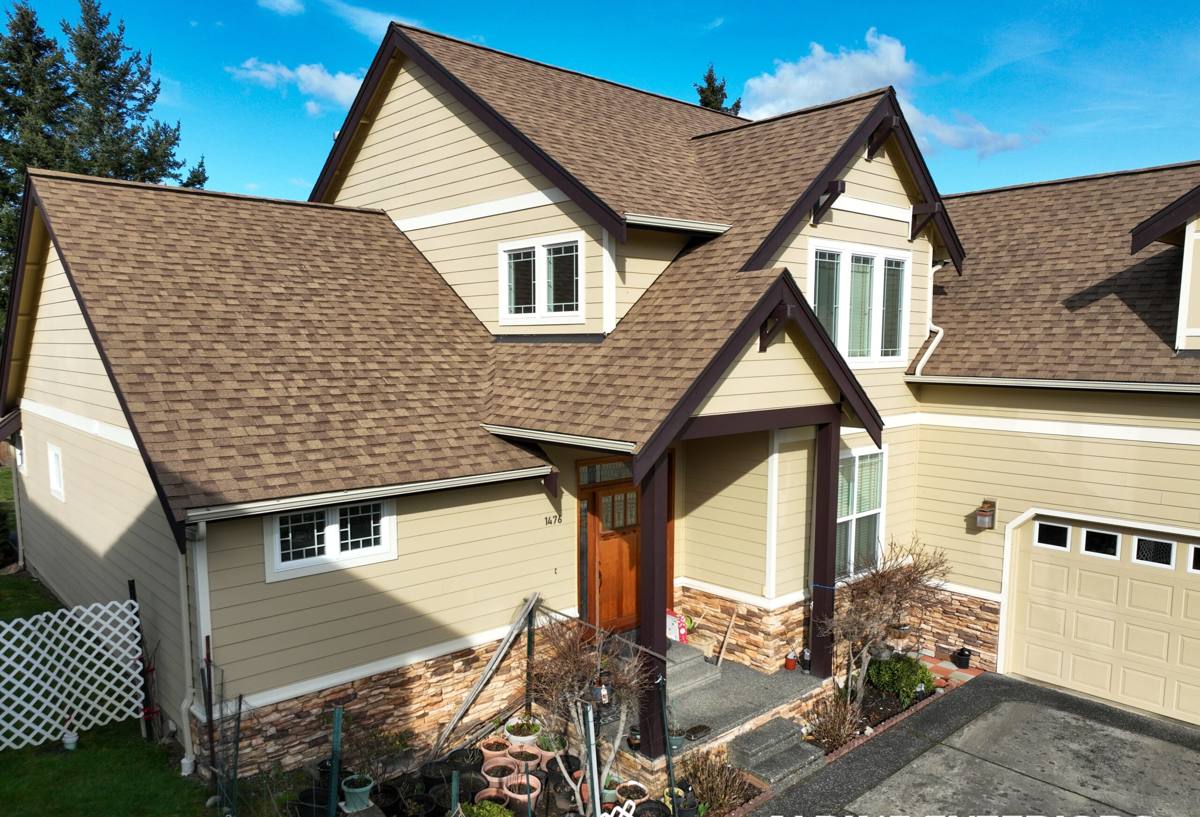
Signs a Downtown Clearwater Roof Needs Repair, Not Full Replacement
Most roofs don't fail all at once. They show warning signs first, and catching those signs early is usually the difference between a repair bill and a replacement bill. Homeowners in this area should watch for:
- Missing, cracked, curling, or granule-bald shingles, especially after a windstorm
- Lifted, cracked, or slipped tiles on tile roofs
- Rust streaks, pinholes, or lifted seams on metal roofing
- Soft spots or sagging in the roof deck when walked or inspected
- Water stains on interior ceilings or in the attic, particularly near chimneys, skylights, or wall intersections
- Daylight visible through the roof deck from inside the attic
- Granules collecting in gutters or at downspouts
- Flashing that has pulled away from a chimney, wall, or vent pipe
Any one of these on its own is often a straightforward repair. Several at once, or damage that has already reached the decking or interior framing, usually means it's worth having a crew evaluate whether repair still makes sense or whether the roof is closer to the end of its service life.
What a Correct Roof Repair Actually Involves
A repair that only addresses the visible symptom tends to come back. Wind-driven rain in particular finds its way through gaps that aren't obvious from the ground, and salt air accelerates corrosion on any fastener or flashing detail that wasn't sealed correctly the first time. A repair done to a proper standard includes the following.
Diagnosing the actual entry point
Water stains rarely show up directly below where water is entering. A correct repair traces the path back to the source, whether that's a cracked tile, a failed pipe boot, deteriorated flashing, or wind-lifted shingles, rather than just patching the ceiling stain location.
Checking the decking underneath
If water has been getting in for any length of time, the plywood or OSB decking beneath the roofing material may be soft, delaminated, or rotted. Covering damaged decking with new roofing material without addressing it underneath is a shortcut that fails again, usually sooner than later.
Matching materials correctly
Patch repairs that use the wrong shingle profile, tile style, or metal panel gauge stand out visually and can create new water paths where old and new materials meet. A careful repair matches the existing roofing as closely as possible, both for appearance and for a clean, weathertight tie-in.
Rebuilding flashing details properly
Flashing around chimneys, skylights, wall step-downs, and pipe penetrations is where most leaks originate, not the open field of the roof. A repair that reuses old, corroded flashing to save time is a repair that will need to be redone.
Roof Types Found in Downtown Clearwater and How Repairs Differ
The right repair approach depends heavily on what's actually on the roof. Here's how the common roofing types in this area typically hold up and what repair work usually involves for each:
| Roof Type | Common Failure Points | Repair Approach |
|---|---|---|
| Asphalt shingle | Wind-lifted or missing shingles, UV-brittled granule loss, nail pops | Section replacement matched to existing shingle color and profile; re-sealing exposed nail heads and flashing |
| Concrete or clay tile | Cracked or slipped tiles, deteriorated underlayment beneath intact tiles | Careful tile removal and reset, underlayment repair where accessible, replacement tiles matched for profile and color |
| Metal (standing seam or panel) | Seam separation, fastener corrosion from salt air, sealant failure at penetrations | Reseating or replacing corroded fasteners, resealing seams and penetrations, panel section replacement if needed |
| Flat or low-slope (membrane) | Ponding water, seam failure, membrane punctures, flashing pull-away at walls | Seam and membrane patching, flashing rebuild at transitions, addressing drainage issues that cause ponding |
Tile and metal repairs in particular require more specialized handling than shingle work. Walking a tile roof incorrectly can crack tiles that weren't previously damaged, and metal panel work requires matching gauge and finish to avoid corrosion between dissimilar metals.
How Our Repair Process Works
We keep the process straightforward because homeowners dealing with a leak or storm damage don't need extra complexity added on top of it.
1. Inspection and honest assessment
We get on the roof, trace the actual source of the problem, and check the decking and flashing around it. We'll tell you plainly whether it's a repair situation or whether the roof is old enough or damaged enough that repair would just be a short-term fix.
2. Clear scope and pricing before work starts
You'll know what we're repairing, why, and roughly what it costs before a single shingle or tile comes off. No open-ended guessing on time and materials.
3. The repair itself
Matched materials, rebuilt flashing where needed, decking addressed if it's compromised, and a clean tie-in to the surrounding roof so the repair doesn't stand out or create a new weak point.
4. Final check
We walk the completed repair and the surrounding area before we consider the job done, checking that flashing, fasteners, and material transitions are sealed and sound.
Repair vs. Replacement: What Actually Drives the Decision
Not every damaged roof needs to be replaced, and not every leak can be reasonably repaired. Several factors go into which direction makes more sense:
| Factor | Leans Toward Repair | Leans Toward Replacement |
|---|---|---|
| Roof age relative to material lifespan | Roof is well within its expected service life | Roof is near or past the end of its typical lifespan |
| Extent of damage | Isolated to one section or a few penetrations | Widespread across multiple roof planes |
| Decking condition | Decking is sound beneath the damaged area | Decking is soft, delaminated, or rotted in multiple areas |
| Material availability | Matching material is available or close enough | Original material is discontinued or badly mismatched |
| History of repairs | First or second repair on this roof | Repeated repairs to the same or nearby areas |
We'll walk you through where your roof falls on these factors rather than defaulting to whichever option costs more. A roof that genuinely just needs a repair should get a repair.
Why a Crew That Already Works Downtown Clearwater Matters
Roofing work in this part of Pinellas County isn't identical to roofing work farther inland. A crew that regularly works in and around Downtown Clearwater already understands the wind mitigation and building code requirements that apply to coastal Florida properties, knows how salt air affects fastener and flashing choices over time, and is used to working around the mix of older and newer construction found in the area. That familiarity shows up as fewer surprises during the job and fewer callbacks after it.
It also matters for permitting. Roof repairs above certain thresholds in Clearwater and Pinellas County require permits and inspections, and a crew that pulls permits routinely in this jurisdiction moves through that process without it becoming a delay for the homeowner.
Maintenance That Extends a Repaired Roof's Life
A repair holds up longer when it's paired with basic ongoing maintenance, especially in a climate this demanding. After a repair, homeowners should:
- Have the roof visually inspected after any significant windstorm, not just once a year
- Keep gutters and downspouts clear so water isn't backing up under the roof edge
- Trim back tree branches that can abrade roofing material or drop debris during storms
- Check attic ventilation periodically, since poor ventilation accelerates UV and heat damage from underneath
- Watch for the same warning signs listed earlier, even in areas away from the recent repair
- Rinse accumulated salt residue and debris off the roof surface periodically if the home is close to the water
None of this replaces a professional inspection, but it catches small issues before they become the kind of damage that turns a repair into a replacement.
Get a Straightforward Roof Assessment
If you're dealing with a leak, storm damage, or a roof that's just showing its age in Downtown Clearwater, we're glad to take a look and give you an honest read on what it needs. There's no pressure and no obligation — just a clear assessment and a straightforward estimate using the form below.