 Clearwater Siding
 Countryside Roofs Face a Tougher Job Than Most
Countryside is one of Clearwater's larger established residential areas, with a lot of housing stock dating back to the 1970s, 80s, and 90s. Many of those original roofs have already been replaced once, sometimes twice, and a good number of homes are coming up on a decision point again. That's not a coincidence — it's what Pinellas County weather does to a roof over time. Hurricane-force wind gusts, wind-driven rain that gets pushed sideways into flashing and fascia, intense year-round UV that breaks down asphalt oils and cooks shingles from above, and salt-laden air drifting in off the Gulf all work on a roof at once, not one at a time.
A roof replacement in this neighborhood isn't just about swapping old shingles for new ones. It's about correcting whatever let the old roof fail early, matching the assembly to what this climate actually demands, and doing the work in a way that holds up to the next storm season instead of just looking good for the next inspection.
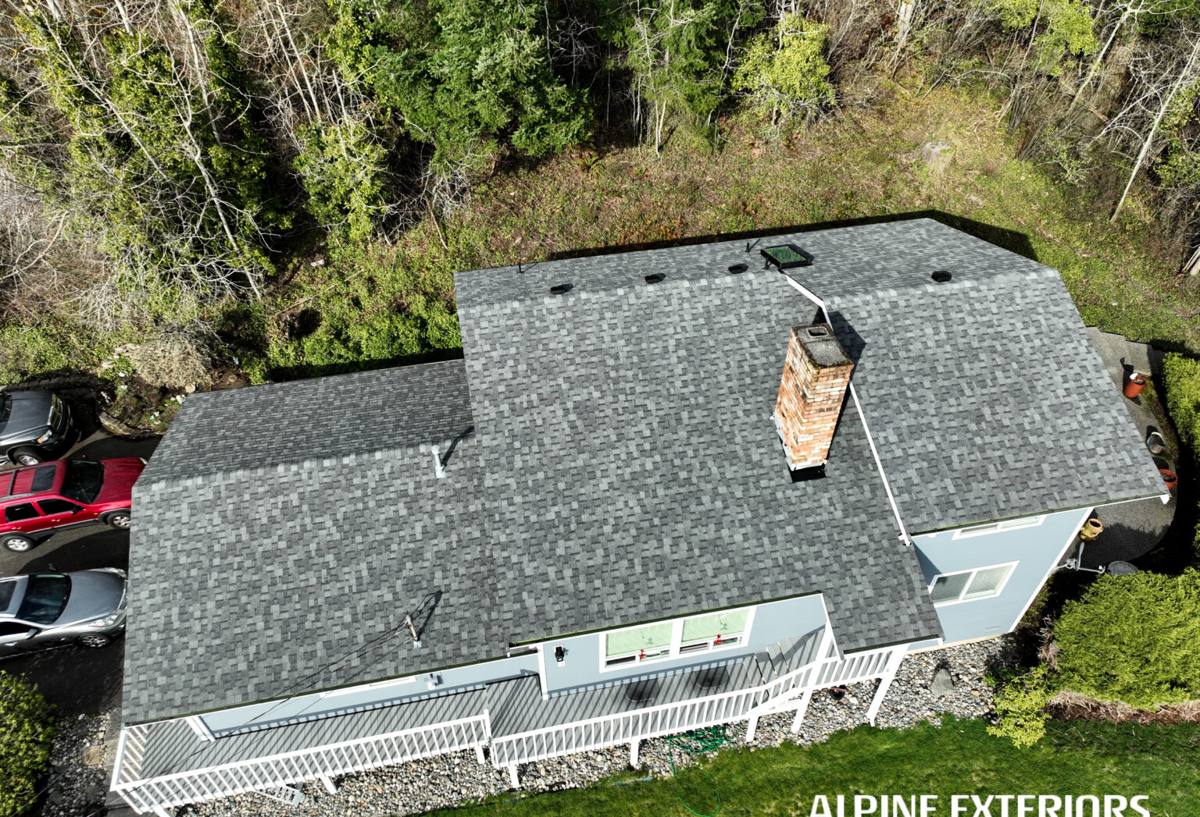
Signs a Countryside Roof Has Reached the End of Its Life
Repair makes sense when the damage is isolated. Replacement makes sense when the roof as a whole has aged out or the damage is systemic. Homeowners in this area should watch for:
- Shingles that are cupping, curling at the edges, or missing granules in patches (usually visible as darker, shinier streaks)
- Soft or spongy spots when walking the roof, which usually means the decking underneath has taken on moisture
- Nail pops, exposed nail heads, or fasteners backing out after repeated thermal expansion and contraction
- Recurring leaks around penetrations — vent boots, chimneys, skylights — even after spot repairs
- Granules collecting in gutters and downspouts, a sign the shingle's UV protection layer is wearing through
- Visible sagging along the roofline, which can indicate structural issues and should be addressed immediately, not scheduled for later
- A roof that's simply reached the end of its rated service life, especially if it's taken multiple storm seasons of wind-driven rain
Any one of these can sometimes be repaired. Several at once, on an older roof, usually means the cost of ongoing repairs starts to outweigh the cost of doing it right one time.
What a Correct Roof Replacement Actually Involves
Full Tear-Off and Deck Inspection
We don't install new roofing over old material, and we're cautious of any contractor who suggests it. A full tear-off is the only way to actually see the decking underneath — and in a climate like this, that decking has usually taken on some moisture damage over the years, even when the roof surface looked fine. Any rotted, delaminated, or soft plywood gets identified and replaced before anything new goes down. Skipping this step is one of the most common ways a "new" roof fails within a few years.
Underlayment That Matches the Exposure
In a coastal-influenced climate with regular wind-driven rain, the underlayment layer matters as much as the shingle itself. We use synthetic or self-adhering underlayment products rated for the wind and moisture exposure this area sees, with particular attention to valleys, eaves, and any low-slope transitions where water tends to back up.
Flashing and Penetration Detail
Most roof leaks don't start in the open field of shingles — they start at flashing: chimneys, vent stacks, skylights, wall-to-roof transitions. Salt air accelerates corrosion on cheap or aging metal flashing, so we replace it as part of the job rather than reusing what's there, and we detail every penetration so wind-driven rain can't work its way underneath.
Ventilation That Actually Balances
Florida attics take a beating from heat, and a roof deck that can't breathe properly ages faster and can void material warranties. We check intake and exhaust ventilation as part of every replacement, not as an afterthought, so the new roof isn't fighting trapped heat and moisture from day one.
Choosing a Roofing Material for Pinellas County Weather
There's no single "best" roofing material — there's the right material for a given home's structure, budget, and how long the homeowner plans to stay. Here's how the common options compare for a climate like Clearwater's:
| Material | Typical Lifespan Here | Wind & Storm Performance | Trade-Offs |
|---|---|---|---|
| Architectural (laminated) asphalt shingle | 20–30 years | Good wind ratings when properly installed and fastened; widely used regional standard | Best value; UV and heat still wear it over time |
| 3-tab asphalt shingle | 15–20 years | Lower wind rating than architectural shingles | Lower upfront cost, but generally not our recommendation for this exposure |
| Concrete or clay tile | 30–50 years (tile itself); underlayment needs replacement sooner | Very strong when properly fastened; individual tiles can crack from impact | Higher upfront cost; structure must be able to support the added weight |
| Standing seam metal | 40–50+ years | Excellent wind and wind-driven rain performance | Highest upfront cost; different aesthetic than most neighboring homes |
For most Countryside homes we're replacing an aging asphalt shingle roof with a modern architectural shingle system, since it offers a strong balance of wind performance, cost, and appearance that fits the neighborhood. Tile and metal come up more often on homes where the structure already supports it or the homeowner is planning to stay long-term and wants to minimize future roof work.
Our Roof Replacement Process
- On-site inspection and estimate. We walk the roof, check the attic where accessible, and give an honest assessment of repair versus replacement — no pressure either direction.
- Material selection. We go over the options in the table above against your budget and how long you plan to be in the home.
- Permitting. Roof replacements require a permit through the local building department; we handle that paperwork as part of the job.
- Tear-off and deck repair. Old material comes off, decking is inspected, and any compromised sections are replaced before anything new goes down.
- Underlayment, flashing, and installation. New materials go on to manufacturer specification and local wind code, with careful attention to every penetration and edge.
- Final inspection and cleanup. We walk the completed roof with you, and the site is cleared of debris and nails before we consider the job done.
Permits, Wind Codes, and Insurance
Roof replacements in Pinellas County require a building permit and a final inspection — that's not optional, and any contractor who suggests skipping it is cutting a corner that will eventually cost the homeowner. Florida's building code sets minimum wind-resistance standards for roofing materials and installation methods, and those standards exist because of storms this region has already lived through.
A properly permitted, code-compliant roof replacement can also affect your homeowners insurance. Many insurers offer credits through a wind mitigation inspection once a new roof is installed, since a correctly fastened, up-to-code roof measurably reduces storm damage risk. We can't quote your insurance savings — that's between you and your carrier — but we do build every roof to the standard that makes that conversation possible.
What a Countryside Roof Replacement Typically Costs
Exact pricing depends on the specifics of your roof, but the main cost drivers are consistent from house to house:
| Factor | Why It Affects Cost |
|---|---|
| Roof size and number of facets | More square footage and more complex rooflines mean more material and labor time |
| Material chosen | Architectural shingle, tile, and metal sit at different price points, as shown above |
| Condition of the decking | Rotted or delaminated plywood found during tear-off needs to be replaced, which adds material and labor |
| Roof pitch and access | Steeper roofs and harder-to-access homes take longer and require more safety setup |
| Number of existing layers | Removing multiple old layers of roofing takes more time than a single-layer tear-off |
| Ventilation and flashing upgrades | Bringing intake/exhaust balance and flashing up to current standards adds some cost but protects the new roof |
We don't publish a flat number because a roof estimate that ignores these factors usually isn't accurate. What we can promise is a written estimate that breaks down exactly what you're paying for, with no surprise add-ons once the tear-off exposes what's underneath — we flag anything unexpected before proceeding, not after.
Why It Matters to Hire a Crew That Already Works in Countryside
Roofing crews that regularly work this part of Clearwater know the local permitting process, understand how the area's older housing stock was originally built, and have already seen how different roofing systems in this exact climate hold up over years, not just on installation day. That familiarity shows up in small but important ways — recognizing common decking issues in homes of a certain age, knowing which flashing details tend to fail first in wind-driven rain, and being available for a warranty callback without a long drive or long delay.
It also matters after the job is done. Storm seasons in this area are a recurring reality, not a one-time event, and having a local roofer who stands behind their work and can respond quickly if something needs attention is worth more than a slightly lower bid from a crew that won't be around next year.
Caring for Your New Roof
A correctly installed roof still benefits from basic upkeep. After your replacement, we recommend:
- A visual check after any major storm — from the ground is fine, you don't need to get on the roof
- Keeping gutters and downspouts clear so water doesn't back up under the roof edge
- Trimming back tree limbs that overhang the roofline to reduce debris and abrasion
- Scheduling a professional inspection every couple of years, or sooner after any significant storm event
- Keeping copies of your permit, final inspection, and material warranty documents together for insurance purposes
If you're weighing repair versus replacement, or just want an honest look at where your roof actually stands, we're happy to come out, walk the roof, and give you a straight answer along with a free, no-pressure estimate — use the form below to get started.