 Clearwater Siding
 Oldsmar Homes Face a Tough Combination of Weather
Oldsmar sits on the water in Pinellas County, tucked against Tampa Bay where the wind has open room to build before it ever reaches a wall. That waterfront exposure is part of what makes the area desirable to live in, and it's also exactly why siding here fails faster than siding installed inland. Homes in this part of the county deal with hurricane-force wind gusts during storm season, punishing UV exposure nearly year-round, wind-driven rain that gets forced sideways into seams and laps, and a steady dose of salt air drifting off the bay. Any one of those factors will wear down a weak siding system. Together, they're unforgiving.
We install James Hardie fiber cement siding exclusively, and Oldsmar is a good example of why. This page focuses on what a proper Hardie installation looks like for this specific area — not a generic overview of the product, but what local homes actually need and what our process looks like when we're the crew doing the work.
Why We Don't Install Anything Other Than James Hardie
We get asked from time to time why we don't offer vinyl, LP SmartSide, or other fiber cement brands as options. The short answer is that we made a call as a company to standardize on one product system we trust completely, rather than installing several products at different quality levels depending on what a customer wants to spend. James Hardie fiber cement is non-combustible, holds up to the wind and moisture cycling this region produces, and comes with a factory finish and a transferable warranty that we're comfortable standing behind. Vinyl softens and warps in sustained heat and can crack in wind events. Wood-based composite products are more sensitive to moisture intrusion if the water-resistive barrier or flashing details aren't perfect. Fiber cement from other manufacturers may be a reasonable product, but we don't have the same track record with it, and we'd rather install one system extremely well than several systems adequately.
HZ5 Engineering: Built for This Exact Climate
James Hardie engineers its siding by climate zone rather than shipping one universal product to every region of the country. Florida, including Pinellas County, falls into Hardie's HZ5 zone, which is formulated specifically for high-humidity, high-moisture-cycling environments like ours. That matters because fiber cement that isn't engineered for humidity can absorb and release moisture in ways that lead to swelling, cracking, or finish failure over time. HZ5 product is formulated to resist that cycling, which is a meaningful difference in a coastal, subtropical climate where the air rarely stays dry for long.
This is one of the reasons a generic "fiber cement" claim from a contractor isn't the same as installing the correct Hardie product for this zone. We order and install HZ5-rated material as standard practice on every Oldsmar and greater Clearwater-area project — it isn't an upgrade option, it's the baseline.
ColorPlus Finish: Why Factory-Applied Color Matters Here
UV exposure in this part of Florida is intense for most of the year, and it's the number one reason field-painted siding loses its color and starts chalking well before a homeowner expects to repaint. James Hardie's ColorPlus finish is baked on and cured at the factory in a controlled environment, which produces a more uniform, more UV- and fade-resistant finish than siding painted on-site after installation. It also means color is consistent across every board, with touch-up product available that's formulated to match rather than requiring you to guess at a paint mix years later.
For homes exposed to direct sun for much of the day near the water, that factory-cured finish is doing real work — it's a meaningfully better defense against fading and chalking than a field-applied coat, and it's part of why we don't treat paint-grade siding as an equivalent option.
What a Correct Installation Actually Involves
James Hardie siding performs the way it's engineered to only when it's installed to the manufacturer's specification. A rushed or careless install can undercut even the best material, and in a wind- and moisture-heavy climate like this one, installation mistakes show up faster than they would somewhere drier and calmer. A correct job includes:
- A continuous water-resistive barrier behind the siding, installed and lapped correctly so wind-driven rain can't work its way behind the cladding
- Properly flashed windows, doors, and any wall penetrations, so water is directed out and away rather than trapped
- Correct fastener type, spacing, and placement — Hardie specifies this precisely, and it directly affects wind resistance
- Proper clearance between the bottom of the siding and grade, roofing, decks, and patios to keep boards from sitting in standing moisture
- Caulked and sealed joints at the right locations, with attention to expansion gaps where the manufacturer calls for them
- Painted or factory-finished cut edges, since an exposed raw edge is a moisture entry point
None of this is exotic — it's just detail work that has to be done in the right order and not skipped when a job is running behind schedule. That's the standard we hold every crew to on every wall, not just the street-facing elevation.
Matching the Right James Hardie Product to Your Home
James Hardie makes several distinct siding profiles, and the right one for a given home usually comes down to the architectural style already in place and what look the homeowner wants. We walk through these options during the estimate rather than defaulting to one product for every house.
| Product Line | Look | Best Fit For |
|---|---|---|
| HardiePlank Lap Siding | Traditional horizontal lap boards, smooth or woodgrain texture | Most single-family homes; the most common choice in this area |
| HardieShingle | Staggered or straight-edge shingle profile | Coastal or cottage-style homes, accent gables, dormers |
| HardiePanel Vertical Siding | Smooth or stucco-look vertical panels | Modern-style homes, porch ceilings, accent walls |
| HardieTrim | Smooth trim boards for corners, fascia, and window/door surrounds | Finishing detail on any of the above, matched to the siding profile |
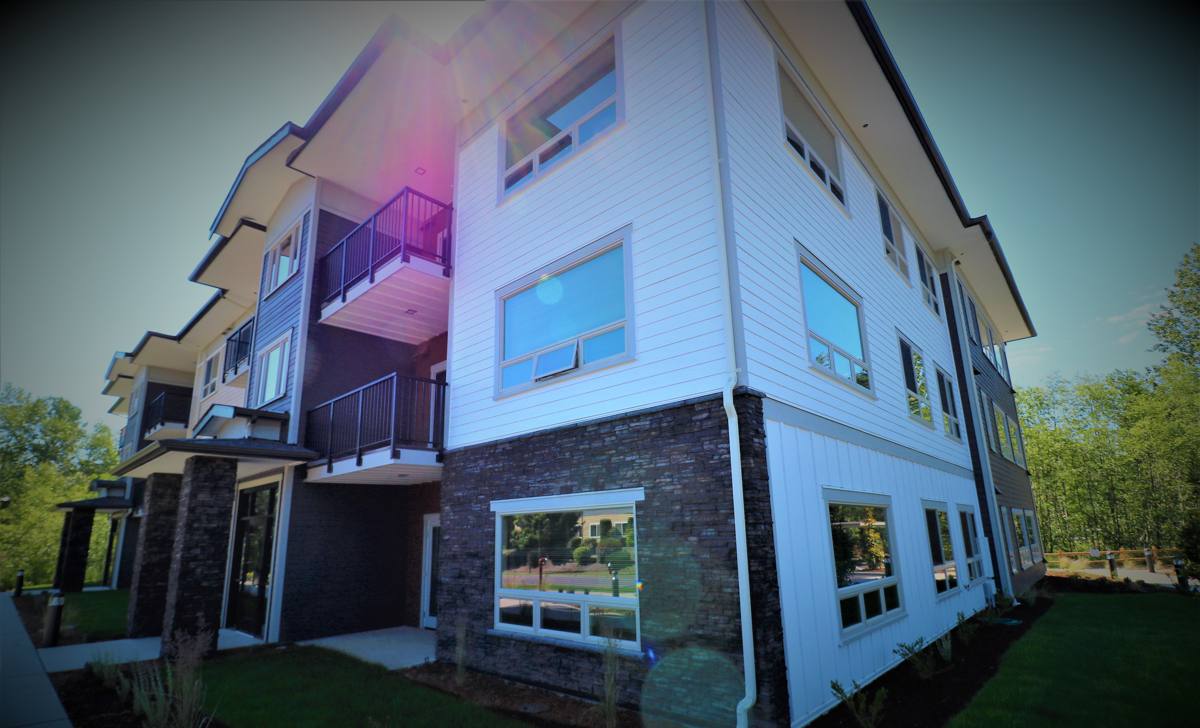
Most Oldsmar homes we work on use HardiePlank as the primary field siding, with HardieTrim finishing out the corners and openings. Shingle and panel profiles come into play more often on accent areas or when a homeowner is going for a specific architectural look.
Our Process for Oldsmar Projects
Because we work throughout the greater Clearwater area, including Oldsmar and the rest of Pinellas County, we're familiar with the permitting and inspection process the local jurisdiction requires for exterior work, and we handle that paperwork as part of the job rather than leaving it to the homeowner. Our process on a typical siding project looks like this:
- An in-person estimate where we inspect the existing exterior, check for any moisture or substrate damage behind the current siding, and measure the home
- A written proposal specifying the exact Hardie product, profile, color, and trim package, with no vague allowances
- Permitting and scheduling, including coordination around HOA requirements where applicable
- Removal of the existing siding and inspection of the sheathing underneath, with any rot or damage addressed before new material goes up — covering a compromised wall with new siding just hides the problem
- Installation of the water-resistive barrier, flashing, and Hardie siding to manufacturer specification
- A final walkthrough with the homeowner before we consider the job complete
Wind exposure near the bay also factors into how we detail the job — fastening schedules and flashing details get extra attention on elevations that take the brunt of storm winds, which is a judgment call that comes from having worked on homes in this specific environment before.
What to Check Before Hiring Anyone for Siding Work
Siding is a big enough investment, and hard enough to inspect once it's closed up, that it's worth being deliberate about who you hire. Before signing with any contractor for a project like this, we'd suggest confirming:
- They're licensed and insured to do exterior construction work in Florida
- They can show experience specifically installing James Hardie products, not just "fiber cement" generally
- Their written estimate names the exact product line, profile, and HZ zone rating — not just "Hardie siding"
- They'll address what's underneath the old siding, not just cover it up
- They stand behind their labor with a written workmanship warranty, separate from the manufacturer's material warranty
- They're familiar with wind-load and moisture detailing appropriate for a coastal Pinellas County property
A contractor who's vague on any of these is worth asking harder questions before you commit.
Maintenance and Long-Term Value
One of the practical advantages of a correctly installed James Hardie system is how little upkeep it asks for compared to other siding materials. It won't rot, it resists pests that go after wood-based products, and it's non-combustible. Routine maintenance is mostly limited to periodic rinsing to keep salt residue and airborne grime from building up, and keeping an eye on caulked joints over the years. James Hardie backs its products with a long, transferable limited warranty, which also tends to matter to future buyers if you sell the home — documented Hardie siding with factory finish is something buyers and their inspectors recognize as a durable, low-maintenance exterior.
If your current siding is showing cracking, soft spots, peeling paint, or visible gaps at the seams, those are signs it's no longer doing its job of keeping water out — and in this climate, that's not something to leave alone for long.
If you're weighing a siding project for a home in Oldsmar or anywhere else in the Clearwater area, we're happy to come take a look and walk you through what we'd recommend, with no pressure to move forward. Use the form below to request a free estimate.