 Clearwater Siding
 Why Safety Harbor Homes Need Siding Built for This Climate
Safety Harbor sits on Old Tampa Bay in Pinellas County, close enough to open water that salt air is a daily fact of life for anything mounted to the outside of a house. Add in the year-round Florida UV load, the wind-driven rain that comes with our summer storm pattern, and the real chance of hurricane-force gusts during the season, and you have a set of conditions that will find every weakness in a siding system within a few years. Cheap materials or a rushed install don't just look bad here — they fail here, and they fail faster than they would almost anywhere else in the country.
That's the lens we use for every fiber cement siding job we do in Safety Harbor. The goal isn't just a house that looks good on install day. It's a wall assembly that's still doing its job — keeping water out, holding paint, and standing up to wind load — a decade or two later.
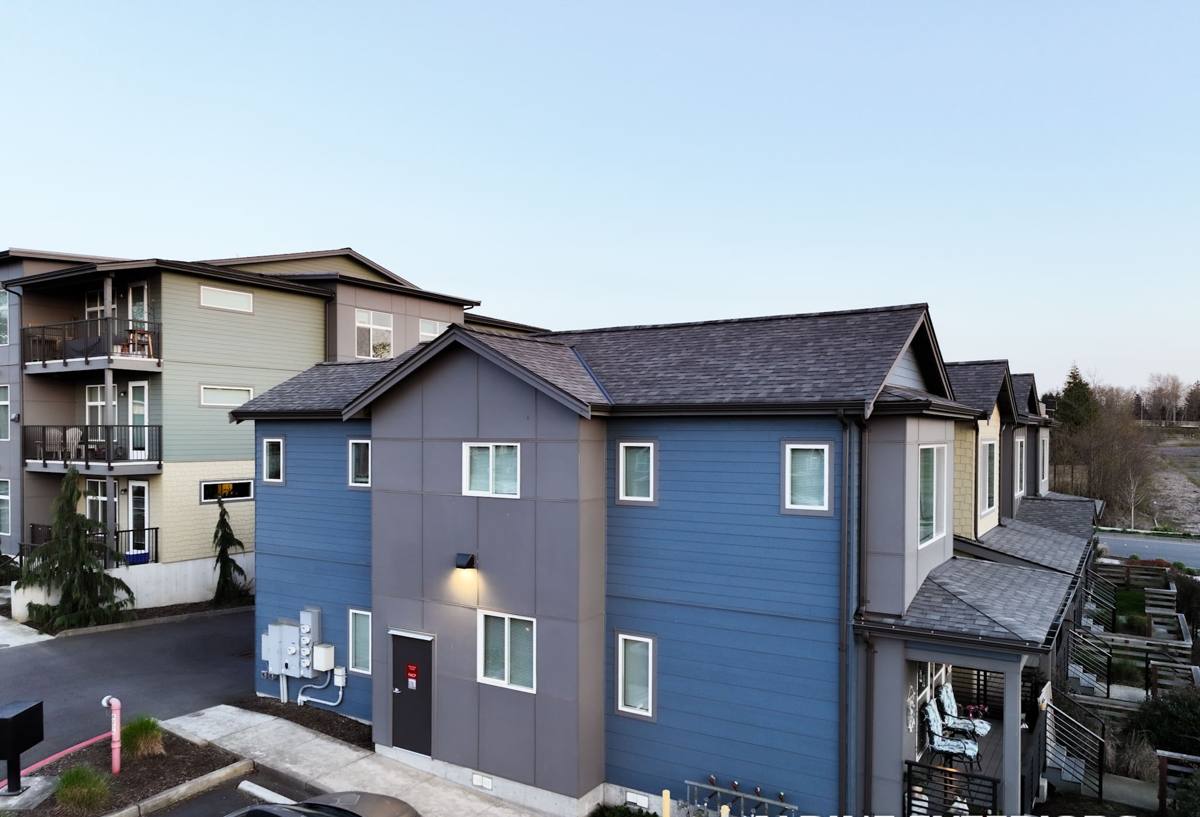
Why We Only Install James Hardie Fiber Cement Siding
We install James Hardie products exclusively. We don't offer LP SmartSide, vinyl, Cemplank, Allura, or primed wood siding, and that's a deliberate standard, not a limitation of what we're capable of installing. Fiber cement itself is a broad category — cement, sand, and cellulose fiber pressed into boards — but the manufacturers differ meaningfully in formulation, factory finish, and the engineering behind their product lines.
James Hardie is non-combustible, which matters in a state where wildfire risk exists inland and where insurance underwriters increasingly ask about exterior cladding material. Hardie's ColorPlus finish is baked on in a controlled factory environment rather than field-applied, which gives it better UV and color-fade resistance than site-painted alternatives — a real advantage under Florida sun. And Hardie engineers specific product formulations, marketed as HZ5 and HZ10 lines, for different climate zones; the HZ10 formulation used in humid, high-moisture regions like ours is built to resist moisture-related issues that generic fiber cement can struggle with. Backed by a strong transferable limited warranty when installed to spec, it's the product we're willing to put our name behind.
What a Correct Fiber Cement Siding Installation Actually Involves
Fiber cement siding is only as good as its installation. The material itself is durable, but James Hardie's warranty and real-world performance both depend on the installer following the manufacturer's fastening, flashing, and clearance specifications exactly. This is where a lot of siding jobs — not just fiber cement — quietly go wrong.
Flashing and Weather Barriers
Every horizontal joint, window, door, and penetration needs proper flashing and a correctly lapped weather-resistive barrier underneath the siding. In a coastal, wind-driven-rain climate, this layer is what actually keeps water out of the wall assembly — the siding itself is the second line of defense, not the first.
Fastening Pattern and Reveal
Hardie specifies fastener type, spacing, and placement, along with correct board overlap and reveal. Under-driven or over-driven nails, wrong fastener spacing, or inconsistent reveal lines aren't just cosmetic problems — they affect how the siding sheds water and how it holds up under wind load.
Clearances and Caulking
Fiber cement siding needs proper clearance from the ground, roof lines, decks, and other horizontal surfaces to avoid trapping moisture against the bottom edge of the boards. Joints and butt seams need the correct caulk, applied correctly — not gapped, not overfilled — so they move with the material instead of cracking and opening a path for water.
Cut Edges
Any field-cut edge on a factory-finished board needs to be sealed per manufacturer instructions before installation. Skipping this step is a common shortcut that leads to moisture wicking into the cut edge over time, even though the face of the board looks fine.
Our Installation Process
- Assessment and measurement. We walk the full exterior, note problem areas — old flashing, soft sheathing, existing moisture damage — and measure for material.
- Removal and sheathing inspection. Old siding comes off and we inspect the sheathing underneath before anything new goes up. Rot or water damage gets addressed before we cover it back up, not after.
- Weather barrier and flashing. A new weather-resistive barrier and flashing are installed at every penetration, window, door, and horizontal transition.
- Starter strip and siding installation. Boards, panels, or shingles go up per James Hardie's fastening specifications, with attention to reveal consistency and proper clearances.
- Trim, joints, and caulking. Corner boards and trim are set, joints are caulked, and any field-cut edges are sealed.
- Final walkthrough. We inspect the finished job against the same standard we'd want on our own homes before calling it done.
Choosing the Right Hardie Product Line
James Hardie makes several distinct product lines, and the right one for a given home in Safety Harbor depends on its architectural style, current siding profile, and how much of the exterior needs replacement.
| Product | What It Is | Best Suited For |
|---|---|---|
| HardiePlank Lap Siding | Horizontal lap boards, the most common fiber cement siding profile | Traditional and coastal-style Florida homes wanting a classic clapboard look |
| HardieShingle | Staggered or straight-edge shingle panels mimicking cedar shake | Accent gables, dormers, or homes going for a cottage or coastal-shingle look |
| HardiePanel | Large-format vertical panels, often used with battens | Modern, farmhouse, or board-and-batten style exteriors |
| HardieTrim | Fiber cement trim boards for corners, fascia, and window/door surrounds | Pairs with any of the above for a finished, matched look |
Most Safety Harbor projects use HardiePlank as the primary field material with HardieTrim for corners and openings, but homes with distinct architectural features often mix in HardieShingle or HardiePanel as accents. We'll walk through the options that make sense for your specific house rather than defaulting to one look.
What Affects the Cost of a Fiber Cement Siding Job
Every home is different, so we don't quote pricing without seeing the house, but a few factors consistently drive cost up or down on jobs in this area.
| Factor | Why It Matters |
|---|---|
| Home size and wall complexity | More square footage, corners, gables, and cutouts (windows, doors, vents) increase material and labor time |
| Condition of existing sheathing | Rot or moisture damage found during tear-off adds repair work before new siding can go up |
| Product line and profile | HardieShingle and custom trim details generally cost more in labor than standard lap siding |
| Story height and access | Two-story sections and areas requiring extra staging or lift equipment add time |
| Finish selection | Factory ColorPlus finishes versus field-painted primed board affect both material cost and long-term maintenance |
We'll give you a written, itemized estimate after walking your property — not a rough number over the phone.
Maintaining Fiber Cement Siding in a Salt-Air, High-UV Climate
One of the real advantages of properly installed James Hardie siding is how little maintenance it needs compared to wood or vinyl — but "little" isn't "none," especially this close to the bay.
- Rinse the exterior periodically to remove salt residue, pollen, and airborne grit before it builds up on the surface.
- Inspect caulked joints and trim seams once or twice a year, and reseal any that look cracked or pulled away.
- Keep an eye on areas where sprinklers hit the siding directly — repeated wetting in one spot accelerates wear.
- Trim back landscaping so branches and irrigation don't hold moisture against the boards.
- After any major storm, do a quick visual check for impact damage, loose boards, or compromised caulking around trim and penetrations.
- If you ever need to repaint a ColorPlus finish decades down the road, use a paint and prep process suited to fiber cement — not a generic exterior paint job.
Why Hiring a Crew That Already Works in Safety Harbor Matters
Siding work in this part of Pinellas County comes with local variables that an out-of-area or inexperienced crew can get wrong: wind-load and building code requirements tied to Florida's high-wind design provisions, permitting steps that differ depending on whether a project falls under the City of Safety Harbor's building department or the county's, and the practical reality of working around coastal humidity and salt exposure during installation itself. A crew that regularly works this area already knows what inspectors here are looking for and what actually holds up once a house is a block or two from the water.
That local familiarity also shows up in smaller, practical ways — knowing which drainage and flashing details matter most on homes near the bay, understanding how afternoon storm patterns affect scheduling, and being available for a follow-up visit without a long drive. It's the difference between a company that installs siding in Safety Harbor occasionally and one that treats it as part of its regular service area.
Get a Free, No-Pressure Estimate
If your Safety Harbor home needs new siding — or you're just trying to understand your options before committing to anything — we're happy to walk the property, answer questions honestly, and put together a written estimate with no pressure to move forward. Use the form below to get started.