 Clearwater Siding
 Why Window Replacement Looks Different Near Safety Harbor
Homes along the Safety Harbor side of Tampa Bay deal with a specific combination of stresses that inland houses rarely see all at once: salt-laden air off the bay, long stretches of direct Florida sun, wind-driven rain that finds its way into anything less than a tight seal, and the occasional tropical system pushing sustained high winds through the neighborhood. Any one of those would shorten a window's service life. Together, they mean a window that was installed without the local climate in mind will show problems years before it should — fogged glass, swollen frames, sticking sashes, or a seal that no longer keeps water out during a hard rain.
This page covers what window replacement actually involves for a Safety Harbor home, what separates a correct installation from a rushed one, and how our process works when you call us in. It's written for homeowners who want to understand what they're paying for, not just a sales pitch.
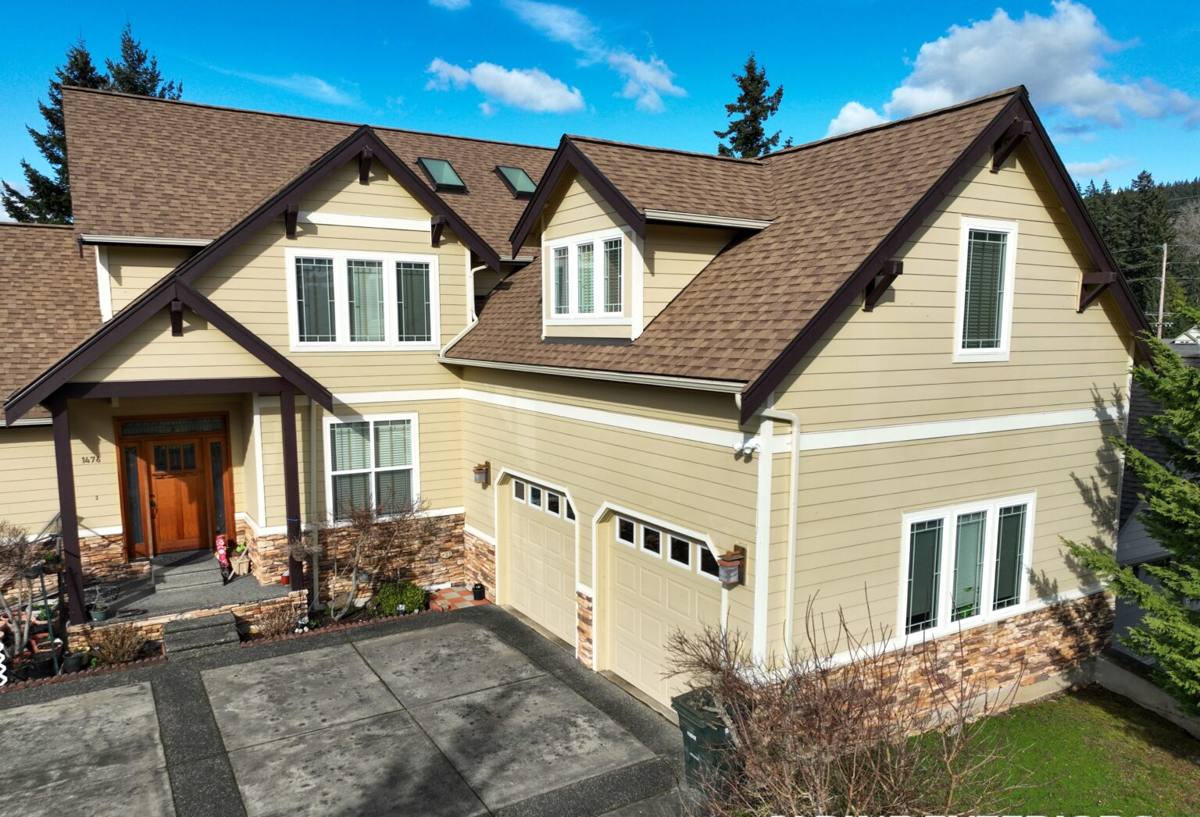
Signs Your Windows Are Ready for Replacement
Windows rarely fail all at once. Usually there's a period where small issues stack up before a homeowner decides it's time. In this climate, watch for:
- Fogging or a visible haze between panes on double-pane windows — a sign the seal has failed and the insulating gas has escaped
- Frames that feel soft, discolored, or show bubbling paint, especially on wood or older aluminum units
- Windows that are difficult to open, close, or lock, often from frame warping or swelling
- Drafts or a noticeable temperature difference near the window even when it's fully closed
- Water staining on the interior wall or sill after heavy rain, which usually points to a flashing or seal problem, not just an old window
- A visible gap between the frame and the surrounding wall, or caulking that's cracked and pulling away
- A jump in cooling costs without any other explanation
Any one of these can usually be repaired. Several at once, especially on a home more than 15-20 years old, usually means the windows are past the point where repair makes financial sense.
What a Correct Window Replacement Job Actually Involves
Removal and a Structural Check
Before a new window goes in, the old one comes out carefully so we can see the rough opening underneath. This is the point where hidden problems show up — soft wood, rot around the frame, or evidence of past water intrusion. Skipping this step and simply installing a new window over a compromised opening is one of the most common shortcuts in this trade, and it's the reason a "new" window can still leak within a year or two.
Flashing and Waterproofing
Given how much wind-driven rain this area gets during Florida's wet season, the flashing and sealing around the window opening matter as much as the window itself. Proper flashing directs any water that gets behind the exterior finish back out, rather than into the wall cavity. This step is invisible once the job is done, which is exactly why it's the step that gets cut on lower-quality jobs.
Setting the Window Level, Plumb, and Square
A window that's slightly out of square will bind, won't seal evenly, and puts uneven stress on the frame over time. It also makes future operation — opening, closing, locking — feel wrong, even if the window itself is a good product.
Insulation and Interior Finish
The gap between the new window frame and the rough opening gets insulated correctly rather than packed too tight (which can bow the frame) or left too loose (which leaves drafts and a path for moisture). Interior trim and finish work should match the rest of the room, not look like an obvious patch.
Choosing the Right Window for a Coastal Pinellas County Home
Frame material and glass package both affect how a window holds up to salt air, UV exposure, and wind. There's no single "best" option for every home — it depends on your budget, your home's exposure to the bay, and how long you plan to stay in the house. Here's how the common options compare for this specific climate:
| Frame Material | Salt Air / Corrosion Resistance | UV and Heat Performance | Maintenance |
|---|---|---|---|
| Vinyl | Very good — won't corrode or pit | Good with modern UV-stabilized formulations | Low; no painting or sealing needed |
| Aluminum | Fair to good if properly coated; can pit over time near the bay without maintenance | Conducts more heat unless thermally broken | Moderate; coating should be inspected periodically |
| Fiberglass | Excellent — very stable in coastal air | Excellent dimensional stability under sun exposure | Low; higher upfront cost |
| Wood (clad or unclad) | Poor without diligent upkeep near salt air | Can warp or check under prolonged sun | High; regular inspection and refinishing required |
For most Safety Harbor homes, we steer clients toward vinyl or fiberglass frames with impact-rated or laminated glass. It's not that other materials can't work — it's that unclad wood and lower-grade aluminum ask for a level of upkeep most homeowners don't want to keep up with year after year in this environment, and the trade-off in maintenance burden usually isn't worth the savings.
Glass Packages: What Actually Matters Here
Beyond the frame, the glass package affects comfort, energy bills, and storm protection:
- Low-E coatings reduce how much heat the glass transfers into the home, which matters given how many hours of direct sun this area gets year-round
- Laminated or impact-rated glass holds together under impact rather than shattering — it's a meaningful upgrade for storm season and also cuts outside noise
- Insulated (double-pane) glass with an argon or krypton gas fill improves energy performance over single-pane, which still shows up in some older area homes
We'll walk through which combination fits your home's exposure and your budget rather than pushing the most expensive option by default.
Wind, Code Requirements, and What They Mean for Your Install
Pinellas County sits within Florida's wind-borne debris region under the state building code, which means replacement windows generally need to meet impact or protection requirements for the design wind speeds in this area — not the highest-tier hurricane zone rating used farther south, but a real standard that affects which products are permitted and how they're installed. Permit requirements apply to most window replacement work here, and inspections check that the product is rated correctly and installed to the manufacturer's approved method. This isn't paperwork for its own sake — it's what keeps a window performing the way it's supposed to when a storm actually pushes wind and rain against your house. We handle the permitting and make sure the product and installation match what the county requires.
Our Process
- Assessment: We look at your current windows, note any signs of frame or structural damage, and talk through what you actually need versus what's optional
- Product selection: We go over frame and glass options suited to your home's sun and wind exposure, with honest pricing for each tier
- Measurement and ordering: Precise measurements are taken for each opening — a window that's slightly off spec is a problem that follows the house for years
- Permitting: We pull the necessary permits so the job is documented and inspected properly
- Installation: Careful removal, structural check, flashing, setting, insulating, and finish work, opening by opening
- Final walkthrough: We check operation, seals, and finish with you before calling the job done
Why Local Experience in This Area Matters
A crew that regularly works homes around Safety Harbor and the broader Clearwater area already knows what this climate does to a window installation over time — which flashing details actually hold up to wind-driven rain, which products handle salt air without early corrosion, and how sun exposure on a bay-facing elevation differs from a shaded side yard. That's not something you get from a crew that installs windows the same way regardless of region. It also means someone local you can call if a question comes up after the job is finished, rather than a name in a distant call center.
Caring for New Windows After Installation
A properly installed window in this climate still benefits from basic upkeep:
- Rinse frames and glass periodically to clear salt residue, especially on bay-facing sides of the home
- Check exterior caulking and seals once a year for cracking or separation
- Keep weep holes on the frame clear of debris so water drains as designed
- Operate locks and hardware occasionally even on windows you don't open often, to keep mechanisms from seizing
None of this is demanding, but it's the difference between a window that performs well for its full expected lifespan and one that develops avoidable problems early.
If your windows are showing their age or you're planning ahead for storm season, we're happy to take a look and give you a straightforward, no-pressure estimate — just fill out the form below and we'll follow up to schedule a visit.