 Clearwater Siding
 Roof Replacement Built for Safety Harbor's Climate
Safety Harbor sits along Tampa Bay in Pinellas County, and that waterfront position means homes here take a specific kind of beating. The combination of salt-laden air off the bay, near-constant summer humidity, intense UV exposure almost every day of the year, and the wind-driven rain that comes with seasonal storms adds up to a roofing environment that's tougher than what you'd find inland. A roof replacement here isn't just about swapping old shingles for new ones — it's about choosing materials and installation methods that actually hold up to these specific conditions, year after year.
We're a Clearwater-based crew that works Safety Harbor regularly, which matters more than it might sound. A contractor who knows this specific stretch of Pinellas County understands how the bay's humidity affects underlayment choices, how afternoon storm patterns load up a roof deck, and what permitting looks like locally. That familiarity shows up in the details of the finished job.
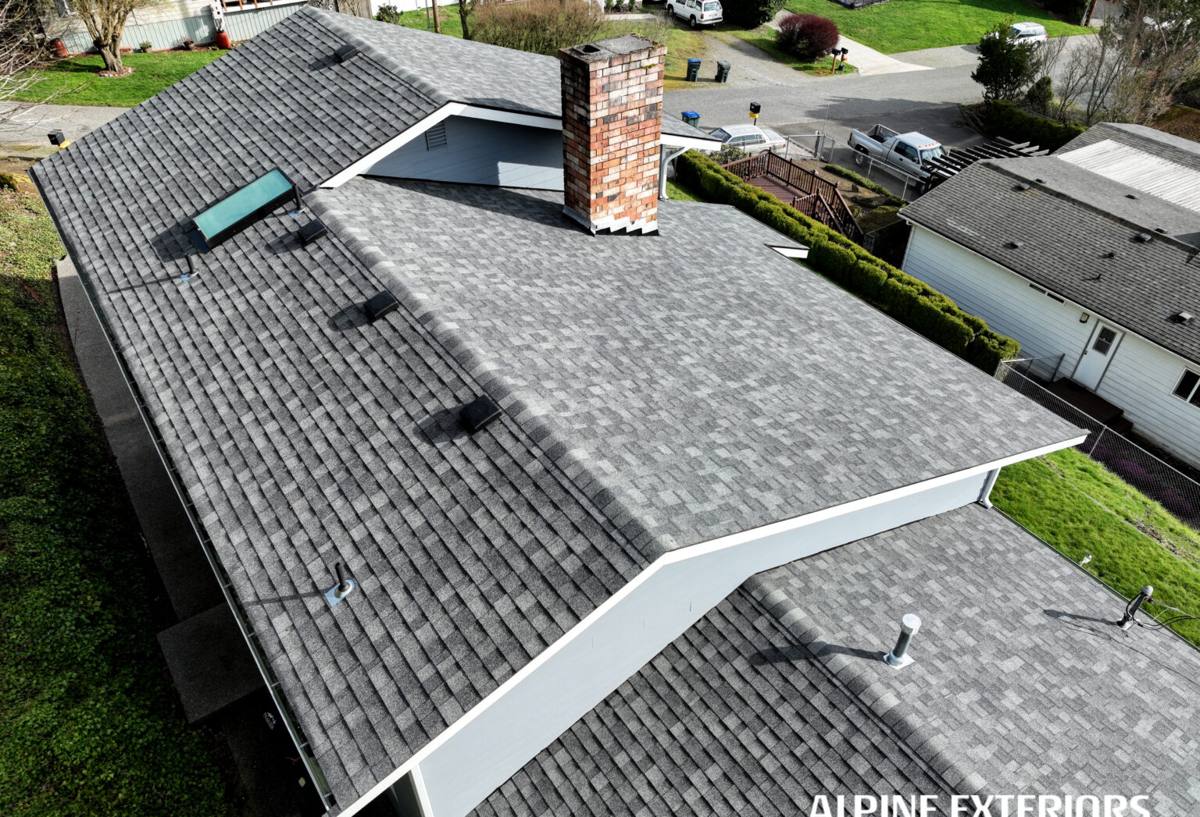
Why Safety Harbor Roofs Wear Differently
Homes just a few miles inland can get away with roofing choices that won't hold up as well this close to the water. A few things are working against your roof here specifically:
- Salt air corrosion — metal fasteners, flashing, and vents near the bay corrode faster than the same materials would twenty miles inland, so material grade and fastener choice matter more here.
- Year-round UV load — Florida sun breaks down asphalt shingle oils and degrades unprotected roofing materials faster than in most of the country, shortening the effective lifespan of lower-grade products.
- Wind-driven rain — storms here don't just drop rain straight down; wind pushes it sideways and under poorly sealed edges, ridge caps, and flashing, which is where most storm-related leaks actually start.
- Hurricane-force wind events — Pinellas County roofs need to meet Florida Building Code wind-uplift requirements, and a roof replacement is the point where that protection either gets built in correctly or doesn't.
- High humidity — trapped moisture under a poorly ventilated roof system encourages deck rot and mold growth long before the shingles themselves fail.
None of these factors are unique to Safety Harbor alone, but together they define what "doing the job right" means for a Clearwater-area roof replacement, and they're why a generic, one-size-fits-all approach doesn't hold up as well here.
Signs Your Safety Harbor Roof Needs Replacing, Not Patching
Not every roof problem calls for a full replacement, and we won't tell you it does when a repair will genuinely hold. But there's a point where patching becomes a waste of money. Signs it's time to talk replacement instead of another repair:
- Shingles that are curling, cupping, or losing granules across large sections rather than one isolated spot
- Multiple past repairs in different areas of the roof, suggesting the underlying material is aging out everywhere at once
- Visible sagging anywhere on the roof deck, which can point to structural or moisture damage underneath
- Daylight visible through the roof deck from the attic, or consistent moisture staining on interior ceilings
- A roof approaching or past its expected service life for its material type, especially if it's never been re-roofed
- Missing or damaged flashing around chimneys, vents, and valleys that keeps recurring despite repairs
If you're seeing one or two of these, a repair might still make sense. If you're seeing several at once, that's usually the roof telling you it's done working, not just leaking.
What a Correct Roof Replacement Actually Involves
A roof replacement is more than removing old material and nailing down new shingles. Done correctly, it's a layered system where every component supports the next one:
Tear-Off and Deck Inspection
We remove the existing roofing down to the deck rather than layering over it. This is the only point in the process where we can actually see the plywood or OSB underneath and confirm it's sound. Any soft, rotted, or water-damaged decking gets replaced before anything new goes down — installing new roofing over a compromised deck just guarantees problems later.
Underlayment
The underlayment is your roof's real waterproofing layer, and given how much wind-driven rain this area sees, we don't treat it as an afterthought. A synthetic or self-adhering underlayment, properly lapped and sealed, is what keeps water out even if a shingle or panel gets damaged in a storm.
Flashing and Edge Details
Valleys, chimneys, skylights, and roof edges are where most leaks actually originate — not in the open field of the roof. Correctly installed metal flashing, drip edge, and properly sealed penetrations are what separate a roof that survives a decade of Gulf Coast storms from one that starts leaking within a year or two.
Ventilation
Humid Florida attics need a real intake-and-exhaust airflow path, not just a couple of vents added for looks. Proper ventilation reduces heat buildup, controls moisture, and directly extends the life of both the roofing material and the deck underneath it.
Wind-Rated Installation
Fastening patterns, nail placement, and shingle or panel sealing all need to meet Florida Building Code wind-uplift standards for this region. This isn't optional detailing — it's the difference between a roof that stays put in a tropical storm and one that doesn't.
Comparing Roofing Materials for This Climate
There's no single "best" roofing material for every home — it depends on budget, the look you want, and how long you plan to stay in the house. Here's an honest comparison of the main options homeowners in this area consider:
| Material | Typical Lifespan Here | Wind/UV Performance | Maintenance |
|---|---|---|---|
| Architectural asphalt shingle | 15-25 years | Good with proper fastening and rated shingles; UV shortens life if lower-grade | Low to moderate |
| Standing seam metal | 30-50 years | Excellent wind uplift resistance; reflects UV well | Low |
| Tile (concrete or clay) | 30-50+ years | Strong wind performance when properly fastened; underlayment is the real wear point | Moderate — underlayment replacement mid-life |
| 3-tab asphalt shingle | 10-18 years | Lower wind rating; UV degrades faster | Moderate to high |
Tile roofs deserve a specific note: the tile itself often outlasts the house, but the underlayment beneath it wears out well before the tile does in this climate. When we replace a tile roof, we're honest that the underlayment is doing the real waterproofing work, and it may need attention again before the tile ever does. That's a maintenance and warranty conversation worth having up front, not a surprise years later.
Cost Factors for a Safety Harbor Roof Replacement
We won't quote a number here because every roof is different, but the factors that actually move the price are consistent. Understanding them helps you evaluate any estimate you get, from us or anyone else:
| Factor | Why It Matters |
|---|---|
| Roof size and pitch | More surface area and steeper pitches mean more material and labor time |
| Material choice | Asphalt, metal, and tile have significantly different material and installation costs |
| Deck condition | Rotted or damaged decking found during tear-off adds material and labor not visible from the ground |
| Number of penetrations | Chimneys, skylights, and vents each require additional flashing work |
| Layers of existing roofing | Multiple layers of old roofing add tear-off time and disposal cost |
| Permitting and code upgrades | Bringing older roofs up to current wind-uplift code can add scope |
Anyone quoting you a firm number over the phone without seeing your roof in person is guessing. We walk the roof and inspect the deck before we give you a real figure.
Our Process for Safety Harbor Homeowners
- On-site inspection. We assess the existing roof, deck condition, ventilation, and any storm or age-related damage in person.
- Honest scope and estimate. You get a clear breakdown of what needs to happen and why, with material options explained in plain terms — not upsold.
- Permitting. We handle the permitting process required for roof replacement in Pinellas County so it's not on you to navigate.
- Tear-off and deck repair. Old roofing comes off, the deck gets inspected, and any needed repairs happen before new material goes down.
- Underlayment, flashing, and installation. Each layer goes in to code, with attention to the wind and water-intrusion points specific to this area.
- Final walkthrough and cleanup. We review the finished roof with you and make sure the site is cleaned up before we consider the job done.
Why a Local Clearwater Crew Matters for Safety Harbor
Roofing crews that don't work this area regularly can miss things that matter here specifically — the way bay-adjacent humidity affects ventilation needs, what Pinellas County permitting actually requires, or how quickly a poorly flashed valley turns into a leak during wind-driven rain. Working Safety Harbor and the greater Clearwater area consistently means we're not learning these lessons on your roof. It also means if a question comes up after the job — during the next storm season, for instance — we're a short drive away, not a crew that packed up and left the county.
Questions Worth Asking Before You Hire Anyone
Whether you go with us or another contractor, a few questions separate a solid roofing contractor from one that'll cost you more down the line:
- Are they licensed and insured to do roofing work in Florida, and can they provide proof?
- Do they pull the required permits, or ask you to skip that step?
- Will they inspect and replace damaged decking as part of the job, not just note it and move on?
- Do they explain material and warranty trade-offs honestly, including maintenance requirements?
- Do they have experience specifically with wind-rated installation for this region?
If a contractor can't answer these clearly, that's worth paying attention to before you sign anything.
Get a Free Estimate
If your Safety Harbor roof is showing its age or storm damage, or you just want an honest read on where it stands, we're glad to take a look. There's no pressure and no obligation — just a straightforward inspection and a clear estimate you can use to make the right call for your home. Use the form below to get started.