 Clearwater Siding
 Board & Batten on a Barrier Island: What's Different About Indian Rocks Beach
Indian Rocks Beach sits on a narrow barrier island in Pinellas County, tucked between the Intracoastal Waterway and the Gulf of Mexico. That location gives homes here a look that suits board and batten well — the vertical lines read as coastal and clean, whether the house is a raised beach cottage or a newer build on pilings. But that same location puts the siding through more punishment per year than almost anywhere else in the Clearwater area. Salt-laden air moves across the island constantly, sun exposure runs nearly year-round at high intensity, and wind-driven rain during storms hits every elevation of the house, not just the front.
This page is about doing board and batten siding correctly for that specific environment — what the material needs to be able to handle, what a correct installation looks like, and why the crew doing the work should already know this island, not be learning it on your house.
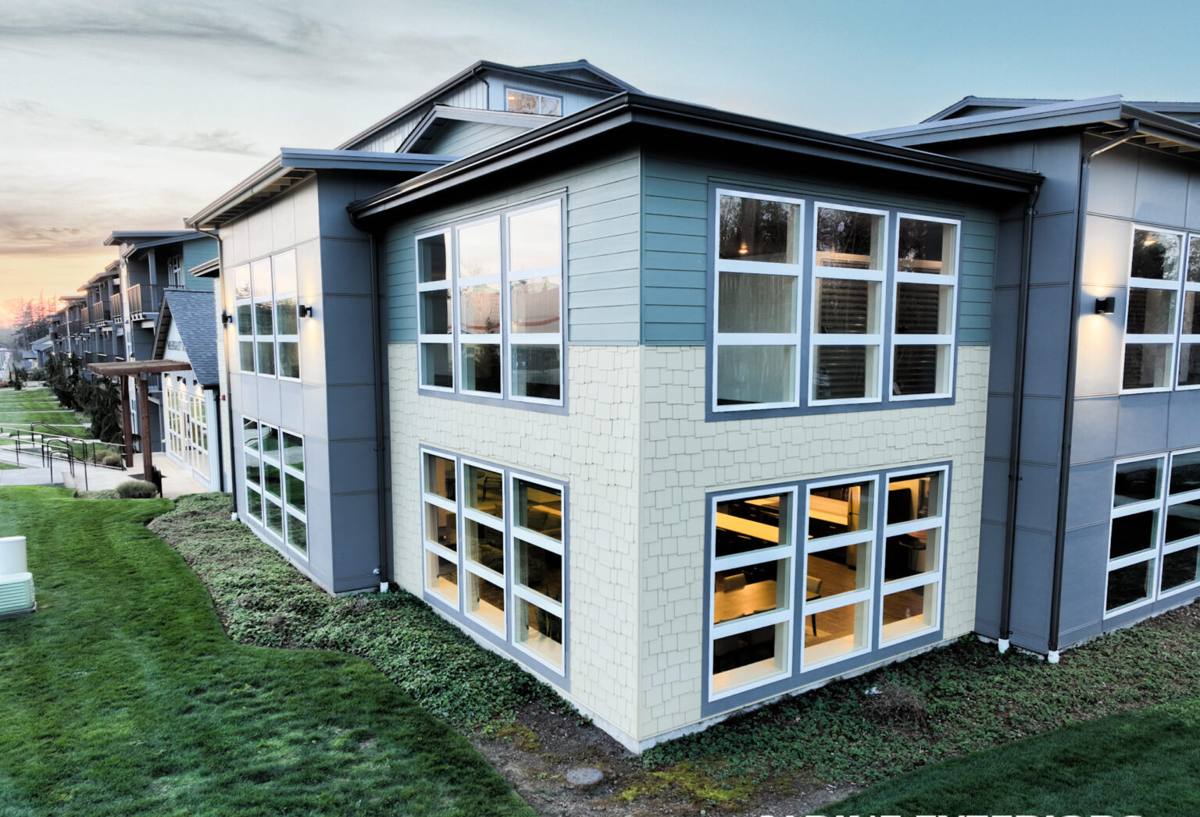
Why Indian Rocks Beach Is a Harder Test for Siding Than Inland Clearwater
Salt Air, Constant Exposure
Salt carried on Gulf air settles on exterior surfaces and, over time, works into fasteners, seams, and any material that isn't dimensionally stable or properly sealed. On a barrier island, this isn't an occasional event — it's a daily condition. Siding materials and fasteners that aren't rated for coastal exposure corrode and degrade faster here than they would ten or twenty miles inland.
Year-Round UV Load
Florida's sun doesn't take a season off, and Gulf-facing exposure adds reflected light off the water on top of direct sun. Paint films that aren't engineered for this kind of exposure chalk, fade, and crack years ahead of schedule, which shows up first and worst on vertical board and batten profiles where sun hits broad flat faces directly.
Wind-Driven Rain
During tropical systems and even routine summer storms, wind pushes rain sideways into wall assemblies rather than letting it run straight down. Board and batten's vertical seams and batten strips create more joints per square foot than a horizontal lap profile, which means more places water can find a way in if the install isn't detailed correctly.
Storm Wind Loads
Homes on the island face high sustained wind speeds and gusts during hurricane season. Every component of the siding system — the panel, the battens, the fasteners, and the fastening pattern — has to be installed to hold under real wind pressure, not just look finished.
Why This Company Only Installs James Hardie Fiber Cement
We install James Hardie fiber cement exclusively — we do not install vinyl, LP SmartSide, Cemplank, Allura, primed spruce, or cedar. That's not a marketing position; it's a standard we hold because of what we've seen these products do (or fail to do) in coastal Florida conditions over years, not months.
Fiber cement is dimensionally stable, doesn't expand and contract with humidity the way wood-based products do, and is non-combustible. James Hardie's ColorPlus factory-applied finish is baked on under controlled conditions and backed by a real finish warranty — a meaningful advantage in a spot where UV and salt exposure are both working against a paint film every single day. Hardie's HZ5 product line is engineered specifically for high-humidity, moisture-prone climates like ours, which is exactly the environment Indian Rocks Beach sits in.
For board and batten specifically, we work with Hardie's vertical siding options — HardiePanel used with vertical battens, or Hardie's dedicated Board & Batten collection — both installed per Hardie's published fastening and clearance specifications for coastal wind zones.
Board & Batten Material Comparison — Why We Standardized on Fiber Cement
| Material | Coastal/Salt Behavior | UV & Finish Life | Wind-Driven Rain Tolerance |
|---|---|---|---|
| James Hardie fiber cement | Dimensionally stable, resists moisture-driven warping | Factory ColorPlus finish engineered for sun exposure | Correct detailing at seams and battens sheds water reliably |
| Vinyl | Can warp and become brittle with heat/UV cycling | Color is through-body but fades unevenly over time | Panel movement can open gaps at high wind loads |
| LP SmartSide (wood-based) | More moisture-sensitive at cut edges and seams | Field-applied or factory finish still needs diligent maintenance | Requires strict edge sealing to prevent swelling |
| Cedar/primed spruce | Natural wood movement, more prone to moisture absorption near salt air | Needs frequent refinishing in intense coastal sun | Highest maintenance burden of the group |
Every product in that table has legitimate uses somewhere. In our professional judgment, for a barrier island environment like Indian Rocks Beach, fiber cement's stability and factory finish durability are what make it the material we're willing to warranty our workmanship on.
What a Correct Board & Batten Installation Actually Involves
Board and batten looks simple from the curb — vertical panels with battens covering the seams — but the parts nobody sees are what determine whether it lasts fifteen years or thirty-five.
- Substrate check: confirming sheathing and any existing water-resistive barrier are sound before anything goes up
- Weather-resistive barrier: continuous, properly lapped house wrap or equivalent behind the panels
- Flashing at every penetration: windows, doors, vents, and hose bibs all need proper flashing details, not just caulk
- Correct fastener spec: corrosion-resistant fasteners rated for coastal use, placed per Hardie's fastening schedule for the applicable wind zone
- Proper clearances: ground clearance, roofline clearance, and gaps at trim so water can drain and materials aren't sitting in standing moisture
- Batten spacing and fastening: battens fastened through to structure, not just to the panel face, so the whole assembly performs as a system under wind load
- Sealed joints at panel ends and inside/outside corners
Skipping any one of these doesn't usually show up on day one. It shows up in year three or four as a soft spot, a stain line, or a batten that's started to pull away — right when a homeowner assumes the siding is still "new."
Our Process, Start to Finish
- On-site assessment: we look at your home's specific exposure — how close to the water, which walls take the worst of the wind and sun, and what condition the current siding or sheathing is in
- Product and profile selection: choosing the right Hardie board and batten configuration and ColorPlus finish for the look you want and the exposure your home faces
- Prep: removal of old siding, sheathing repair if needed, and installation of a continuous weather-resistive barrier
- Installation: panels, battens, and flashing installed to Hardie's coastal wind zone specifications
- Final inspection: checking clearances, fastening, and sealed joints before we call the job done
Why a Crew That Already Works Indian Rocks Beach Matters
Barrier island jobs come with logistics that inland Clearwater jobs don't. Access can be tighter, staging materials takes more planning, and depending on the property, flood zone and elevation considerations affect how work at the lower portion of a home needs to be handled. A crew that has already worked on the island isn't guessing at any of that — they've planned around it before.
Local permitting is another piece that matters. Pinellas County and local jurisdictions have wind zone and code requirements that apply to exterior work, and a crew familiar with Indian Rocks Beach and the broader Clearwater area already knows how those requirements get applied in practice, not just on paper.
Maintenance: What Board & Batten Actually Needs on the Island
- Rinse salt residue off the exterior periodically, especially on Gulf-facing walls
- Keep an eye on caulking at trim, corners, and penetrations — recaulk if it's cracking or pulling away
- Trim back landscaping that holds moisture against the wall
- Have the siding and flashing checked after any major storm, even if nothing looks obviously wrong
- Address any small chips or damage to the finish promptly rather than letting them sit exposed
James Hardie's factory finish is built to reduce this burden compared to field-applied paint systems, but "low maintenance" doesn't mean "no maintenance" — especially this close to the Gulf.
Cost Factors for a Board & Batten Project
| Factor | How It Affects Scope |
|---|---|
| Existing wall condition | Sheathing repair or replacement adds time and material before new siding goes up |
| Home size and wall complexity | More corners, penetrations, and trim details mean more labor per square foot |
| Access on the property | Tight island lots or elevated homes can affect staging and equipment needs |
| Finish and profile selection | Panel size, batten spacing, and ColorPlus color selection are chosen together for the final look |
| Removal of old siding | Tear-off and disposal of the existing material is part of an honest estimate, not an add-on surprise |
We give a real number after seeing your specific home and its exposure — not a phone-quote guess.
If you're considering board and batten siding for a home in Indian Rocks Beach, we're happy to walk the property with you and talk through what your specific exposure calls for. Reach out below for a free, no-pressure estimate.