 Clearwater Siding
 Roof Replacement Built for Largo's Climate
Largo sits in the middle of Pinellas County, close enough to both the Gulf and Tampa Bay that homes here take a beating from two directions at once. A roof that would hold up fine in a drier, milder climate can fail early in Largo if it wasn't built and installed with this specific environment in mind. We replace roofs on Largo homes regularly, and the jobs that hold up longest are the ones where every layer of the system, not just the shingles or tiles on top, was chosen and installed for what this area actually throws at a house.
This page is about roof replacement specifically for Largo properties, not roofing in general. The materials, ventilation choices, and installation details that make sense here are shaped by local wind exposure, sun load, and salt air, and by Pinellas County's building requirements.
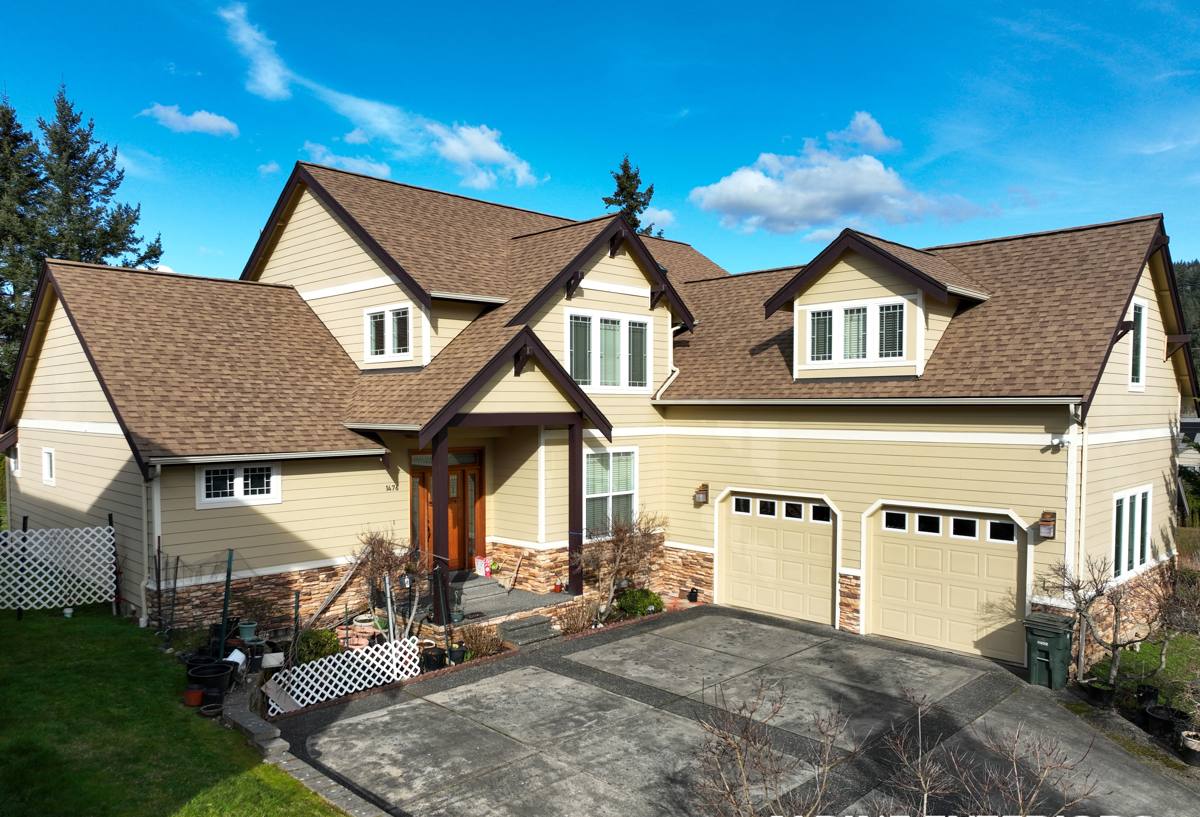
What Largo's Weather Does to a Roof
Year-Round UV Exposure
Central Florida sun is intense for most of the year, not just in summer. UV breaks down the oils and asphalt binders in shingles, causing granule loss and brittleness well before a roof reaches its rated lifespan if the shingle wasn't built for this exposure or if attic ventilation is poor and heat builds up underneath the roof deck.
Wind-Driven Rain
Florida storms rarely drop rain straight down. Wind pushes it sideways and even upward under eaves and around flashing. A roof can shed a heavy vertical downpour without issue and still leak during a lighter storm if the wind direction finds a weak seam, an under-sealed nail, or aging flashing around a vent or chimney.
Hurricane-Force Wind
Largo isn't directly on the coast, but it's close enough that tropical systems and hurricane bands still bring sustained high winds and gusts capable of lifting poorly fastened shingles or under-secured tile. Wind resistance is determined by fastening pattern, nail placement, and underlayment choice as much as by the material itself.
Salt Air
Even set back from the immediate coastline, Largo gets enough salt-laden air moving in off the Gulf to accelerate corrosion on exposed metal: flashing, fasteners, vent stacks, and drip edge. Standard-grade metal components corrode faster here than they would further inland.
Signs a Largo Roof Needs Replacement, Not Just Repair
Not every roof problem calls for a full replacement, but there's a point where patching becomes a temporary fix on a system that's already failed. Here's what tells us a Largo home is past the repair stage:
- Granules collecting in gutters or at downspout outlets in noticeable amounts
- Shingles that are curling, cupping, or cracking across multiple areas of the roof, not just one spot
- Soft spots or sagging when walking the roof deck, which usually means water has reached the wood underneath
- Repeated leaks in different locations after past repairs, suggesting the underlayment has failed broadly
- Visible daylight through the attic decking or consistent moisture staining on interior ceilings
- A roof approaching or past 18-20 years old for asphalt shingle, even if it looks intact from the ground
- Missing or lifted shingles after wind events, especially if it's happened more than once
If a Largo roof shows two or more of these, replacement is almost always the more cost-effective path over the next several years compared to ongoing repair calls.
Choosing the Right Roofing System for a Largo Home
There's no single "best" roofing material for every Largo house. The right choice depends on the home's roof pitch, structure, budget, and how long the owner plans to stay in the house. Here's an honest comparison of the systems we install most often in this area.
| Material | Typical Lifespan Here | Wind Performance | Maintenance Notes |
|---|---|---|---|
| Architectural asphalt shingle | 20-25 years | Good, when rated and fastened for high-wind installation | Lowest upfront cost; periodic inspection after major storms |
| Standing seam metal | 40-50+ years | Excellent when properly fastened and flashed | Very low maintenance; higher upfront cost |
| Concrete or clay tile | 40-50+ years (underlayment often fails first) | Good if tiles are properly fastened; underlayment is the real lifespan limiter | Underlayment typically needs replacement mid-life even if tile looks fine |
| 3-tab asphalt shingle | 15-18 years | Weaker than architectural shingle in sustained high wind | Lowest cost, shortest lifespan in this climate |
We don't push one material as universally right. For most Largo homeowners replacing a standard asphalt roof, we recommend architectural shingle over 3-tab for the wind rating alone, but metal and tile both make sense for homeowners planning to stay long-term or wanting to reduce future maintenance calls.
What a Correct Roof Replacement Actually Involves
Full Tear-Off, Not Overlay
We remove the old roofing material down to the deck rather than layering new shingles over old. Overlaying traps moisture, hides deck damage, and voids most manufacturer warranties. A tear-off is the only way to actually inspect the deck underneath.
Deck Inspection and Repair
Once the old material is off, we check the plywood or OSB decking for soft spots, delamination, or water damage, and replace any sections that don't pass. Skipping this step is one of the most common ways a "new roof" fails within a few years.
Underlayment Built for Wind-Driven Rain
We use synthetic or self-adhering underlayment appropriate to the roof pitch and material, with particular attention to sealing around valleys, penetrations, and eaves where wind-driven rain finds its way in during Florida storms.
Flashing and Metal Components
Flashing around chimneys, walls, skylights, and vents gets replaced, not reused, and we specify metal components rated for coastal-adjacent salt exposure rather than standard-grade material that corrodes faster in this air.
Fastening for Wind Rating
Nail pattern and fastener count are matched to the wind rating required for the roof's exposure, following Florida Building Code requirements rather than a generic minimum standard.
Attic Ventilation
Proper intake and exhaust ventilation reduces attic heat buildup, which slows shingle aging from the underside and helps control moisture that can otherwise condense and damage the deck over time.
Our Process, Start to Finish
- Inspection and estimate: We walk the roof, check the attic where accessible, and give a written estimate that spells out material, scope, and price, no vague allowances.
- Material selection: We walk through the tradeoffs above so the homeowner picks based on real cost and lifespan factors, not sales pressure.
- Permitting: We pull the required permit through Pinellas County or the City of Largo, whichever applies to the property, before work begins.
- Tear-off and deck inspection: Old material comes off, the deck gets inspected, and any needed repairs are documented and priced before proceeding.
- Installation: Underlayment, flashing, fasteners, and roofing material go on per code and manufacturer specification.
- Final inspection and cleanup: We coordinate the required county or city inspection, do a magnetic sweep for stray nails, and haul away all debris.
Permits, Wind Mitigation, and Insurance
Roof replacements in Largo require a permit, and the work has to meet current Florida Building Code wind resistance standards for the property's location. This isn't optional paperwork; it's what determines whether the roof is actually built to hold up in this area's storms, and it's what an inspector and your insurer will both check.
A new roof installed to current code can also qualify a Pinellas County homeowner for a wind mitigation credit on their insurance premium. We provide the documentation needed for a wind mitigation inspection after the work is complete, but we'd recommend confirming exact credit amounts with your insurance agent, since that depends on your specific policy.
Why Hire a Crew That Already Works in Largo
A roofing crew that works Largo regularly already knows which wind exposure categories apply in different parts of the county, what the local permitting office expects on an application, and which installation details actually matter for this climate versus a drier or calmer one. That familiarity shows up in fewer surprises during permitting, fewer callbacks after the first storm season, and a roof that's built for the conditions it will actually face rather than a generic national standard.
It also means being reachable if something needs attention after the job is done. A local, licensed crew has a reputation in the area to stand behind, not just a job number.
If your Largo roof is showing its age or you're planning ahead of the next storm season, we're happy to take a look and give you a straightforward, no-pressure estimate. Fill out the form below and we'll get in touch to schedule a time.