 Clearwater Siding
 Board & Batten Siding for Largo Homes
Board and batten siding has a clean, vertical-line look that shows up all over Largo and the surrounding Pinellas County neighborhoods — on cottage-style homes, Florida ranches, and as an accent on gables, porches, and entryways next to a main field of lap siding. It's a distinctive style, but in this climate it's also a style that punishes shortcuts. The same vertical seams and narrow battens that give the look its character are also the places where wind-driven rain, UV breakdown, and salt air do the most damage if the material and the installation aren't right for the job.
This page covers what board and batten siding needs to hold up in Largo specifically, what a correct installation actually involves, and why we install it only in James Hardie fiber cement — never vinyl, LP SmartSide, or wood.
Why Board & Batten Shows Up So Often in This Area
The Look
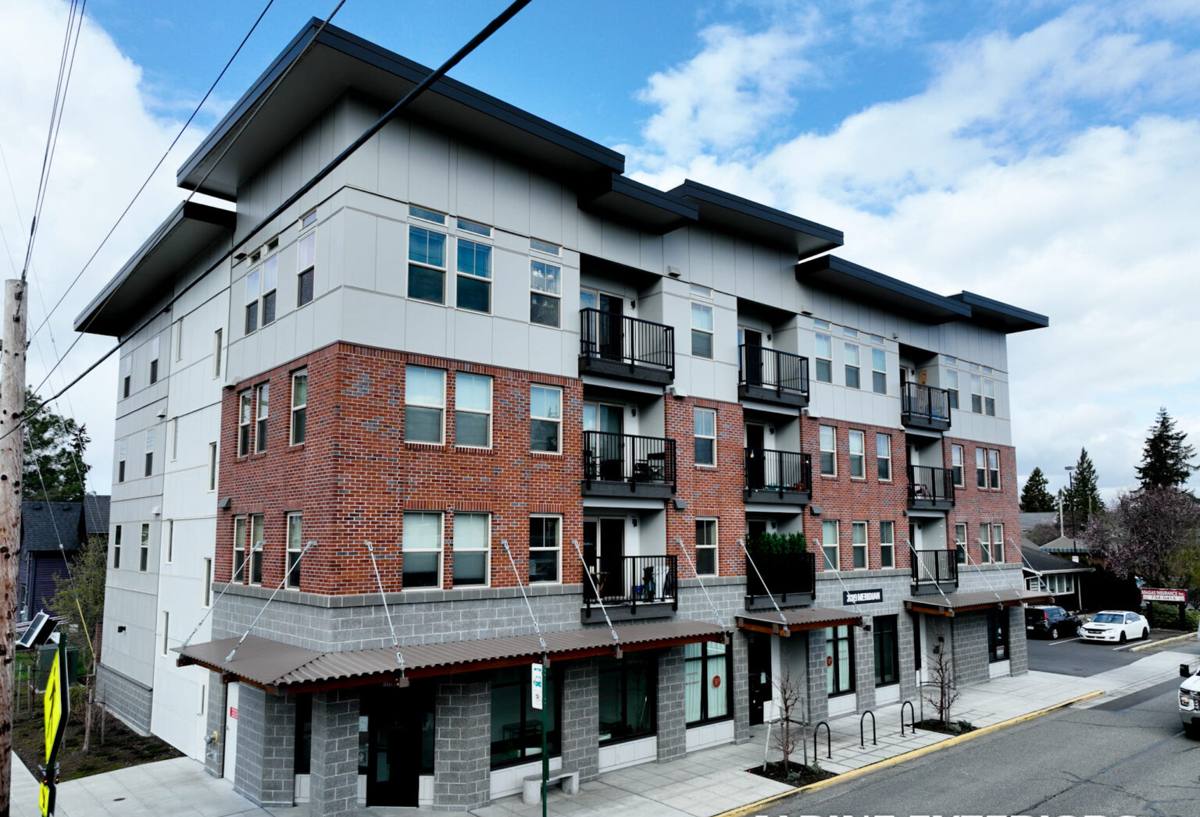
Board and batten is built from wide vertical panels with narrow strips — battens — covering the seams between them. It reads as tailored and architectural, which is why it's popular as a full-house treatment on newer builds and as an accent on gables, dormers, and porch fronts on older Largo homes being updated. It pairs easily with horizontal lap siding, stone, or brick without looking busy.
Where It Works Well — and Where It Doesn't
Vertical siding sheds water differently than horizontal lap siding. Water runs down the face of the panel and battens rather than being broken up and directed outward at each course, the way lap siding does. That's not a flaw in the style, but it does mean the water management behind the panel — the drainage plane, the flashing, the fastening — has to be done correctly, or the batten seams become the exact spots where moisture gets a path inward.
What Largo's Climate Demands From Board & Batten Siding
Hurricane-Force Wind
Pinellas County sits in a high wind zone, and Largo's homes are built and re-sided to Florida Building Code wind requirements for a reason. Vertical siding has more surface area exposed to uplift along each panel edge than short lap courses do, so fastener type, fastener spacing, and batten attachment all matter more here than they would in a low-wind region.
Intense, Year-Round UV
Florida sun is not seasonal — it's a twelve-month load on anything mounted to the outside of a house. Paint-grade materials that rely on a field-applied finish start chalking, fading, and losing adhesion years before a factory-cured finish does, and it shows first and worst on flat, sun-facing board and batten panels.
Wind-Driven Rain
Largo doesn't just get rain — it gets rain pushed sideways by storm winds, which forces water into any gap, seam, or fastener hole that isn't properly sealed and flashed. On a board and batten job, the vertical seams under each batten are the highest-risk points on the entire wall.
Salt Air
Largo sits inland from the Gulf relative to the barrier islands, but Pinellas County as a whole still carries salt-laden air off Tampa Bay and the Gulf, and it travels further than most homeowners assume. Salt exposure accelerates corrosion on fasteners and trim and speeds up the breakdown of lower-grade siding materials and coatings.
Why We Install Only James Hardie Fiber Cement
Board and batten is available in vinyl, engineered wood (LP SmartSide), real wood or cedar, and James Hardie fiber cement. We install James Hardie exclusively, on every job, including board and batten. Here's how the options actually compare for this climate.
| Material | Wind/Impact Resistance | Moisture Behavior | UV/Fade Resistance | Maintenance |
|---|---|---|---|---|
| James Hardie fiber cement | Engineered and rated for high-wind installation | Non-combustible, dimensionally stable, resists swelling | ColorPlus factory finish, baked-on UV protection | Low — no repainting cycle with ColorPlus |
| Vinyl board and batten | Can crack, warp, or blow off in high wind and impact | Doesn't rot, but seams and panels move with heat | Fades and becomes brittle under constant sun | Low, but limited repair options once faded/brittle |
| LP SmartSide (engineered wood) | Good when installed to spec | Wood-based core is moisture-sensitive at cut edges/seams | Field-applied or factory finish, wears over time | Moderate — edge sealing and finish upkeep matter |
| Real wood/cedar | Variable; natural material has less engineered consistency | Absorbs moisture, prone to rot and insect damage | Needs regular refinishing to hold color and protection | High — ongoing sealing, staining, or painting |
HardiePanel Vertical Siding
For board and batten, we use James Hardie's fiber cement vertical panel system with battens installed over the panel seams, following Hardie's published fastening and flashing specifications. Fiber cement is non-combustible and doesn't swell, rot, or attract termites — three issues that matter on a coastal Florida wall assembly.
ColorPlus Factory Finish
Rather than relying on a coat of paint applied on site, ColorPlus siding is finished in a controlled factory process with multiple baked-on coats, backed by its own finish warranty. In a climate with this much year-round UV, that factory-cured finish is the difference between a color that holds and one that chalks out in a few years.
Climate-Engineered HZ Product Lines
James Hardie engineers its products by climate zone, and Florida installations use the HZ5 line, formulated for high heat, humidity, and moisture exposure. That's a meaningful distinction from generic fiber cement — it's built for exactly the conditions Largo homes actually face.
What a Correctly Installed Board & Batten Job Involves
Board and batten fails prematurely almost never because of the panel itself — it fails because of installation shortcuts at the seams, fasteners, and flashing. A correct job includes:
- A water-resistive barrier installed as a continuous drainage plane behind the panels, not just a wrap-and-staple job
- Proper flashing at every window, door, and horizontal transition, so water is directed out and down rather than behind the siding
- Corrosion-resistant fasteners sized and spaced to Hardie's high-wind fastening schedule, not a generic pattern
- Battens fastened independently into structural framing wherever possible, not just through the panel face
- Correct gaps at panel butt joints and trim, caulked with a siding-rated sealant rather than butted tight
- Field-cut edges sealed before installation, since raw cut edges are where moisture intrusion typically starts
Skipping any one of these doesn't show up on day one. It shows up two or three storm seasons later, as staining, soft spots, or fastener bleed at the seams — which is exactly why the installation matters as much as the material choice.
Our Process for Largo Board & Batten Projects
We approach every board and batten project the same way, whether it's a full-house install or an accent area:
- On-site inspection — we look at the existing wall assembly, substrate condition, and any problem areas before quoting anything.
- Tear-off and substrate check — old siding comes off and we inspect sheathing for hidden moisture damage before it gets covered again.
- Drainage plane and flashing — the water-resistive barrier and flashing details go in first, since this is the layer that actually keeps water out.
- Panel and batten installation — installed to James Hardie's published fastening specification for our wind zone, not a generalized approach.
- Final detailing — trim, caulking, and touch-up so the finished wall is sealed at every seam and penetration.
We stand behind the installation, and the material itself carries James Hardie's manufacturer warranty when installed to spec.
Why a Crew That Already Works in Largo Matters
Pinellas County's wind-load requirements, permitting process, and inspection expectations aren't identical to every county in Florida, and they change how a siding job needs to be detailed before it ever gets built. A crew that already works in and around Largo knows the local permitting steps, has already worked with local inspectors, and has a working sense of how HOA guidelines in the area tend to treat exterior changes like a switch to board and batten. That familiarity shows up as fewer surprises mid-project — not a marketing line, just fewer delays and rework.
Checklist: What to Look for in a Board & Batten Estimate
- Is the quote for James Hardie fiber cement specifically, or a substitute material?
- Does the proposal mention flashing details at windows, doors, and horizontal transitions?
- Is the fastening schedule referenced as matching high-wind requirements for our area?
- Is tear-off and substrate inspection included, or assumed to be "fine" without a look?
- Does the estimate specify ColorPlus factory finish, or a field-applied paint job?
- Is a manufacturer warranty (not just a labor warranty) part of what you're getting?
If a proposal is vague on any of these, it's worth asking directly before signing anything — the answers are usually a good preview of how the actual installation will go.
Get a Free Estimate for Your Largo Home
If you're considering board and batten siding for a Largo home — a full exterior or an accent area — we're happy to take a look and give you an honest, no-pressure estimate. Use the form below to get started.