 Clearwater Siding
 Largo Decks Work Harder Than Most
A deck in Largo doesn't get an easy life. Between the intense year-round Florida UV, wind-driven rain rolling in off the Gulf, salt-laden air, and the occasional hurricane-force wind event, the wood or composite under your feet is under constant low-grade attack. None of that damage happens overnight — it shows up as a soft board here, a loose rail there, a fastener that's bled rust into the decking. By the time it's obvious, the problem underneath is usually further along than it looks.
We're a Clearwater-based crew that works Largo and the rest of Pinellas County regularly, so we're not guessing at what the local climate does to a deck over five or ten years. We see the same failure patterns repeat house after house, and that's exactly what lets us repair the actual problem instead of just patching the symptom.
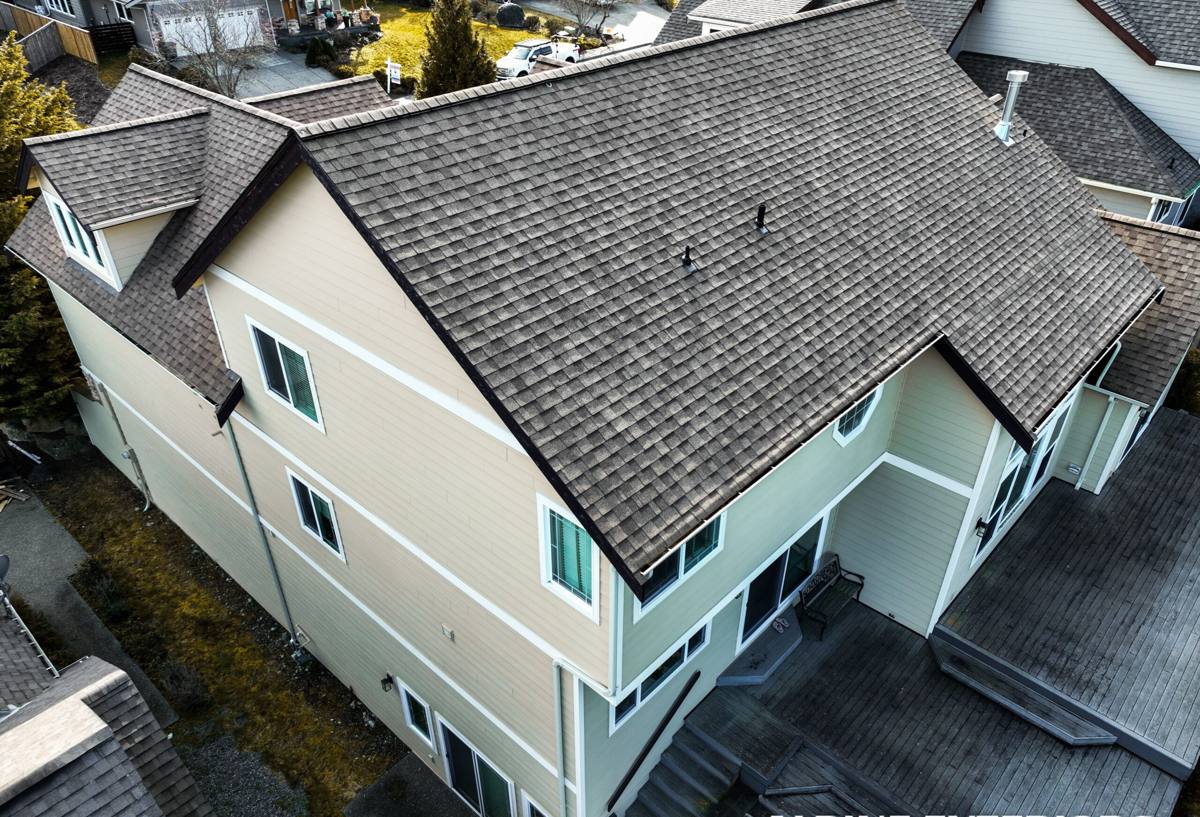
Why Largo's Climate Is Rough on Decks
A few things stack up against any outdoor structure here, and they compound each other:
- UV exposure: Florida sun breaks down wood fibers, dries out natural oils, and fades or chalks composite surfaces faster than in most of the country.
- Wind-driven rain: Storms don't just fall straight down here — rain gets pushed sideways into joints, under railings, and behind ledger boards where it's slow to dry out.
- Salt air: Being close to the Gulf and Tampa Bay means airborne salt accelerates corrosion on fasteners, brackets, and any exposed metal hardware.
- Humidity and heat cycling: Constant swings between soaking and baking stress wood joints and finishes, leading to cracking, cupping, and checking.
- Hurricane-season wind loads: Even decks that never see a direct hit take repeated stress from tropical-storm-force gusts, which loosens connections over time.
Individually, none of these are dramatic. Together, over several Florida summers, they're why a deck that looked fine two years ago can suddenly have a soft spot near the stairs or a rail that wiggles more than it should.
Signs Your Largo Deck Needs Repair
Most deck failures give warning signs long before anyone gets hurt. Worth checking for on a regular basis:
- Boards that flex, bounce, or feel spongy underfoot
- Visible cracking, splintering, or gray, weathered wood that hasn't been sealed in years
- Railings or balusters that wiggle when pushed
- Rust streaks bleeding out from screws, nails, or brackets
- Gaps opening up where the deck attaches to the house (the ledger board)
- Stairs that feel less solid than they used to, or steps that have shifted
- Standing water that doesn't drain, or dark staining that suggests it doesn't
- Support posts that show soft, discolored wood near the base
Any one of these on its own might be a minor fix. Several at once usually means the deck's overall condition has slipped and it's worth a full inspection before it gets worse.
What a Correct Deck Repair Actually Involves
It Starts Underneath, Not on the Surface
The decking boards you walk on are the least important part of a repair. What matters is the structure underneath — the ledger board connection to the house, the joists, the support posts, and the footings. A repair that replaces a few worn boards but ignores a compromised ledger or a soft joist is just delaying a bigger problem, and in Largo's climate, "delaying" doesn't take long.
Fastener and Hardware Condition
Salt air is hard on metal. Galvanized hardware that would hold up fine inland can start showing corrosion here well before it should. Part of a proper repair is checking every joist hanger, bracket, and fastener within reach — not just the ones that are visibly rusted — and replacing anything that's compromised with hardware rated for coastal exposure.
Moisture Path, Not Just Moisture Damage
Rotten wood is a symptom. The real question is where the water got in and whether that path has been closed off. That might mean re-flashing a ledger board, adjusting drainage under the deck, or correcting a slope that's letting water pool instead of shed. Replacing damaged wood without fixing the moisture path just means the same repair again in a few years.
Common Deck Problems We See in Largo
| Problem | Likely Cause | Typical Fix |
|---|---|---|
| Soft or spongy decking boards | Prolonged moisture exposure, poor drainage, or aging wood past its service life | Board replacement, sometimes with joist inspection underneath |
| Loose or wobbly railings | Corroded fasteners, wind stress over time, or original under-built connections | Re-securing with corrosion-resistant hardware, sometimes rebuilding the post connection |
| Rust staining on boards | Standard fasteners not rated for coastal salt air | Fastener replacement with stainless or coated hardware suited to the environment |
| Gap or separation at the house | Ledger board flashing failure or original attachment not sealed properly | Re-flashing and re-securing the ledger connection |
| Faded, chalky, or cracked composite surface | UV breakdown over years of direct sun exposure | Board-by-board replacement of affected sections; full resurfacing if widespread |
| Leaning or unstable support posts | Soft wood at the base from ground contact moisture | Post replacement or base reinforcement, often with footing evaluation |
Repair or Replace? What Actually Decides It
Not every damaged deck needs to come down. The honest answer depends on how much of the structure is still sound versus how much has been compromised, and how old the deck is relative to its expected service life.
| Factor | Leans Toward Repair | Leans Toward Replacement |
|---|---|---|
| Structural framing (joists, ledger, posts) | Solid, only isolated soft spots | Widespread rot or multiple failed connections |
| Age of the deck | Within its expected lifespan | At or past the end of typical service life for the material |
| Extent of damage | Localized to a few boards or one section | Damage spread across most of the surface or structure |
| Original build quality | Built to a solid standard originally | Under-built or improperly attached from the start |
| Budget goals | Lower upfront cost, extends current deck's life | Higher upfront cost, resets the clock and often improves design |
We'll tell you honestly which side of that table your deck falls on. There's no upside for us in talking a homeowner into a full replacement when a targeted repair will hold up fine — and no upside in patching something that's structurally past the point of a reliable fix.
Our Repair Process
- On-site inspection: We walk the whole deck, check the structure from underneath where accessible, and test railings, stairs, and connection points — not just look at the surface.
- Honest assessment: We tell you what's actually wrong, what's causing it, and whether repair or replacement makes more sense for your situation and budget.
- Written estimate: A clear scope of work and price before anything starts, so there are no surprises mid-project.
- Repair work: Structural fixes first — framing, ledger, posts, hardware — then decking surface and railings, using materials and fasteners suited to Pinellas County's coastal conditions.
- Final walkthrough: We check the repaired areas with you and go over any maintenance recommendations specific to your deck's material and exposure.
Why a Crew That Already Works Largo Matters
Deck repair isn't a one-size-fits-all trade. A crew that mostly works dry, low-humidity climates inland doesn't necessarily know how differently wood and hardware age under constant Gulf Coast salt air and sideways rain. We're based in Clearwater and work Largo and the surrounding Pinellas County communities regularly, so we're seeing the same soil conditions, the same storm exposure, and the same building patterns repeat from job to job. That's what lets us spot a moisture path or a corrosion pattern quickly instead of guessing.
It also means we're not a name you found from three counties away who won't be reachable if a repair needs a follow-up visit. We're local, we're around, and we stand behind work we did in your neighborhood — not a job three hours from home we'll never see again.
Keeping a Repaired Deck in Good Shape
A repair holds up a lot longer when it's followed by basic upkeep. A few habits that matter most in this climate:
- Sweep off debris and standing water regularly so moisture doesn't sit against the boards
- Reseal or restain wood decking on a regular schedule — Florida sun breaks down finishes faster than milder climates
- Check railings and stair connections a couple times a year for any looseness
- Rinse salt residue off periodically if the deck is exposed to coastal spray or breeze
- Keep gutters and downspouts clear so runoff isn't dumping extra water onto or under the deck
None of this takes much time, but it's the difference between a repair that lasts a decade and one that needs revisiting in two years.
Get a Straight Answer on Your Deck
If your Largo deck has a soft board, a wobbly rail, or you just haven't had it looked at in a while, it's worth getting an honest read on where it stands before small problems turn into structural ones. We offer free, no-pressure estimates — come take a look, get a straightforward assessment, and decide from there. Use the form below to get started.