 Clearwater Siding
 Why Largo's Climate Is Hard on Ordinary Siding
Largo sits in the middle of Pinellas County, close enough to both Tampa Bay and the Gulf that homes here take a beating from more than one direction at once. Summer brings months of intense, nearly overhead UV that bakes painted surfaces and breaks down cheaper composites from the outside in. Afternoon storms roll through with wind-driven rain that doesn't just fall on a wall — it drives sideways into seams, laps, and trim joints. And even well inland from the coast, Largo gets enough salt-laden air on a breezy day to accelerate corrosion on fasteners and metal flashing that isn't rated for it. Add the real possibility of hurricane-force wind gusts during named storms, and you have a combination that ordinary siding materials simply were not built to handle for the long term.
This isn't a page about siding in general. It's about one product — James Hardie fiber cement — installed correctly on one specific type of Largo home, using a process built around what this climate actually does to a house over ten, twenty, thirty years.
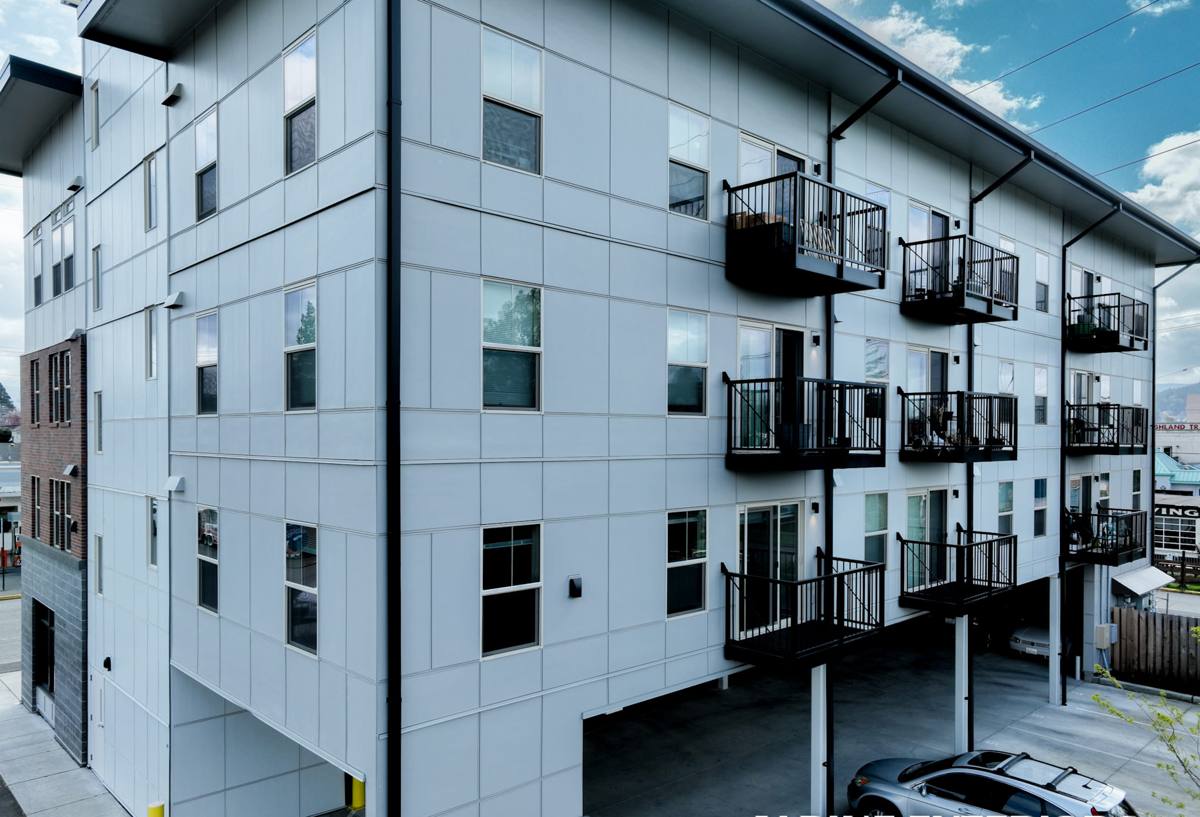
What Largo Homes Actually Need From Siding
Talk to any contractor who's worked exteriors in this part of Pinellas County long enough and you'll hear the same short list of requirements, in some order:
- Resistance to moisture intrusion at laps, corners, and penetrations — not just water shedding, but tolerance for the water that does get behind the cladding
- A finish that holds color and doesn't chalk, fade, or need repainting every few years under constant Florida sun
- Enough structural rigidity to stay fastened and intact through sustained high wind and wind-borne debris
- Fasteners and trim hardware that won't corrode prematurely in salt-influenced air
- A material that doesn't feed pests or rot when it stays damp longer than it should after a summer storm
Fiber cement checks these boxes in a way that vinyl and wood-based products structurally cannot, which is a big part of why it's the only siding material we install.
Why We Only Install James Hardie Fiber Cement
James Hardie fiber cement is a blend of cement, sand, and cellulose fibers, cured into a dense, non-combustible board. It doesn't expand and contract with humidity the way wood-based siding does, it doesn't soften or warp when it takes on moisture, and it holds a factory-applied finish far longer than a product that gets painted on site. For Largo specifically, three things matter most:
Climate-Engineered Product Lines
James Hardie makes region-specific formulations, and the HZ5 line is engineered for hot, humid climates like ours — it's formulated to resist the moisture cycling and humidity exposure that's constant in the Tampa Bay area, rather than a generic national blend.
ColorPlus Factory Finish
Instead of field-painting boards after installation, ColorPlus finish is baked on at the factory in multiple coats. It resists UV fading far better than site-applied paint and comes with its own finish warranty, which matters enormously under Florida's sun load.
Non-Combustible Core
Fiber cement doesn't burn, feed insects, or rot the way wood and wood-composite sidings can. In a humid coastal county where moisture exposure is a near-constant condition rather than an occasional event, that durability difference compounds over the life of the siding.
What a Correct Fiber Cement Job Involves
Fiber cement is only as good as its installation. A huge share of the siding failures we get called out to inspect in Largo and nearby neighborhoods aren't material failures — they're installation shortcuts that let water in behind a perfectly good product. A correct install includes:
- A drainage plane (weather-resistive barrier, and a rain screen gap where appropriate) so any water that gets behind the siding has somewhere to go
- Correct fastener type, length, and spacing per the manufacturer's install guide — not generic trim nails
- Proper clearance from the siding bottom edge to roof lines, decks, and grade, so water doesn't wick into the board's cut edges
- Factory-cut edges sealed, and field cuts sealed with the specified caulk or edge sealer before installation
- Corrosion-resistant flashing at windows, doors, and every roof-to-wall intersection
- Butt joints and corners installed with proper gaps and quality sealant rated for exterior movement, not just caulked tight
Skip any one of these steps and you can end up with water intrusion behind siding that looks fine from the curb — which is exactly the kind of hidden problem that shows up as rot or mold years later.
Wind and Storm Performance
Largo isn't immune to tropical storm and hurricane wind events, and siding that isn't properly fastened becomes a liability in exactly the conditions when a home needs its envelope intact the most. Fiber cement's density and rigidity give it real advantages over vinyl, which can crack, buckle, or blow off in sustained high wind, especially once it's aged and become brittle from UV exposure. Correct fastening schedule and edge treatment are what let fiber cement actually deliver on that wind resistance — under-fastened siding, regardless of material, is a wind failure waiting to happen.
How Fiber Cement Compares for a Largo Home
| Factor | James Hardie Fiber Cement | Vinyl | Wood / Wood Composite |
|---|---|---|---|
| UV / fade resistance | Strong — factory ColorPlus finish | Fades and chalks over time | Requires repainting/staining |
| Wind-driven rain tolerance | Strong when properly flashed and sealed | Prone to leakage at seams over time | Vulnerable to moisture absorption |
| High wind / storm performance | Rigid, holds fastening well | Can crack or blow off, especially aged panels | Depends heavily on fastening and material condition |
| Salt air / corrosion exposure | Non-corroding material; needs corrosion-resistant hardware | Material resists corrosion but fasteners still a concern | Fasteners and material both vulnerable |
| Combustibility | Non-combustible | Combustible | Combustible |
| Maintenance over 15+ years | Low — occasional wash and caulk check | Low but limited lifespan in intense sun | Higher — periodic repaint/reseal |
Cost Factors for a Largo Fiber Cement Project
Every home is different, but the main variables that drive cost on a Largo fiber cement project are consistent:
| Factor | Why It Matters |
|---|---|
| Home size and wall complexity | More corners, gables, and cutouts mean more labor and trim work |
| Existing siding removal and substrate condition | Rotted sheathing or hidden moisture damage found underneath adds repair scope |
| Board profile and ColorPlus color selection | Lap width, texture, and finish tier affect material pricing |
| Trim, soffit, and fascia scope | Full exterior packages cost more than siding-only replacement |
| Access and site conditions | Multi-story sections, tight lot lines, or landscaping obstacles affect labor time |
We give real numbers during an on-site estimate rather than ballpark figures over the phone, because guessing on a job like this does homeowners a disservice.
Why Hiring a Crew That Works Largo Already Matters
Fiber cement installation is unforgiving of shortcuts, and a crew that already works this specific area understands the practical realities that come with it: how quickly a Florida afternoon storm can roll in mid-installation and why exposed cut edges and open seams can't be left overnight, how local humidity affects cure times for sealants and caulk, and what flashing details hold up against the wind-driven rain this part of Pinellas County actually sees. That local, repeated experience is what separates a fiber cement installation that performs for decades from one that looks right on installation day and starts leaking within a couple of storm seasons.
What to Look For in a Fiber Cement Contractor
- Manufacturer training or certification specific to fiber cement installation, not general siding experience
- A written scope that specifies fastener type, flashing details, and clearances — not just "install siding"
- Willingness to explain their drainage plane and rain screen approach before work begins
- Local references and a track record of jobs in Pinellas County's climate, not just photos from elsewhere
- Clear warranty terms covering both material and workmanship, explained in plain language
Maintenance After Installation
One of the practical advantages of a correctly installed James Hardie system is how little upkeep it demands afterward. An occasional rinse to clear off pollen, salt residue, and grime, a visual check of caulked joints and trim after major storms, and prompt attention if any impact damage occurs are really all it takes. That's a meaningfully lighter maintenance load than repainting cycles or the seam and panel repairs that come with other siding types over the same span of years.
If you own a home in Largo and you're weighing siding options, we're happy to walk the exterior with you, point out anything specific to your home's exposure and condition, and put together a clear, no-pressure estimate for a James Hardie fiber cement installation. There's no obligation — just a straight assessment from a crew that installs this system and only this system.