 Clearwater Siding
 Siding Installation Built for Largo's Coastal Climate
Largo sits in the middle of Pinellas County, close enough to Tampa Bay and the Gulf that homes here take on the same weather stress as anywhere else in the Clearwater area, even without direct beachfront exposure. Wind-driven rain off the bay, long stretches of intense UV, salt-laden air moving inland, and the occasional direct hit or near-miss from a hurricane all work on a home's exterior year-round. Siding in Largo isn't just a cosmetic layer. It's the barrier between that weather and the wood framing, sheathing, and insulation behind it, and it has to be installed correctly to do that job for the next 30-plus years.
We install siding across the greater Clearwater area, and Largo is part of our regular route. That matters more than it might sound like. A crew that already works this specific stretch of Pinellas County has a feel for how the local humidity, storm patterns, and building stock behave, and that shows up in the details of the job, not just the sales pitch.
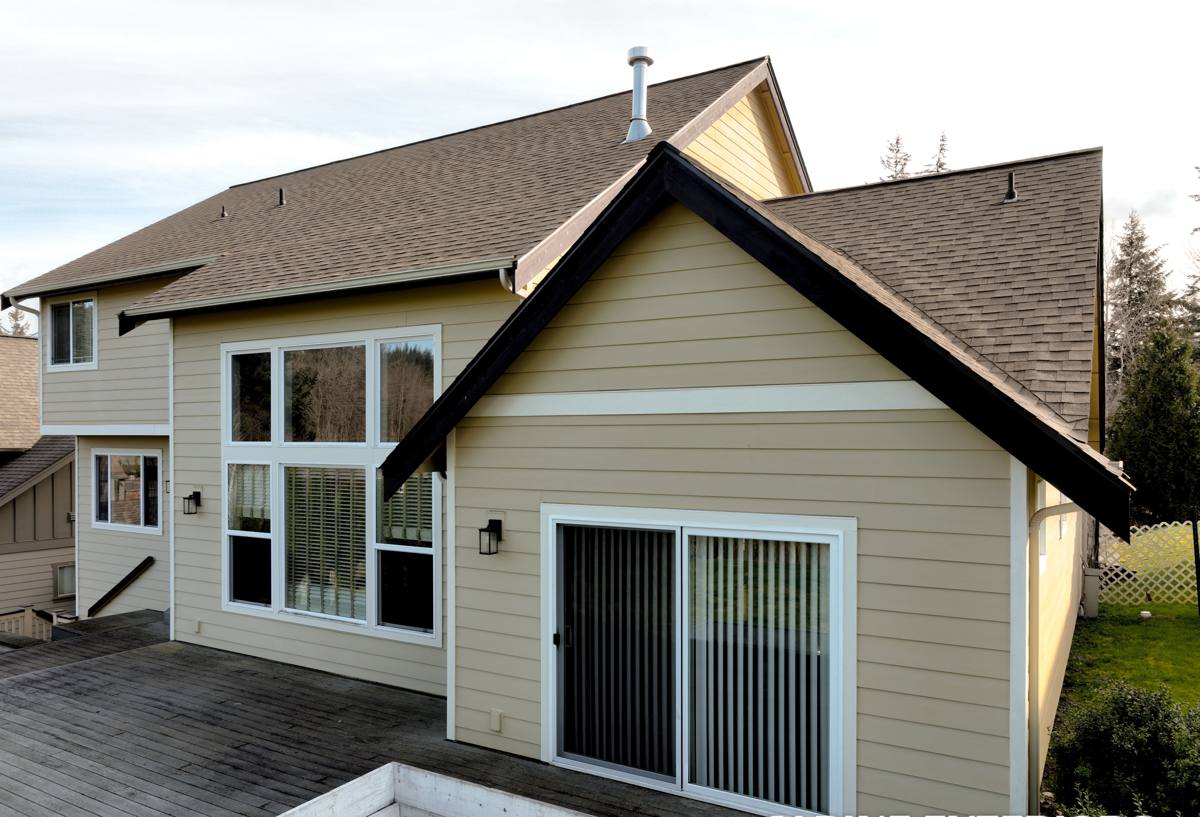
What Largo Homes Actually Need From Their Siding
Wind Resistance That Doesn't Rely on Luck
Pinellas County sees tropical storm and hurricane-force wind events on a near-annual basis, and Largo is not sheltered from that just because it isn't oceanfront. Siding that isn't fastened, flashed, and sealed to spec is one of the more common sources of storm damage we get called out to repair. It's rarely the material itself that fails first; it's a fastening or flashing detail that was rushed or skipped.
UV Stability, Not Just UV Resistance
Florida sun is relentless, and Largo gets the same year-round exposure as the rest of the Tampa Bay area. Cheaper siding materials and job-site paint jobs tend to fade unevenly, chalk, or become brittle within a handful of years under that kind of sun load. What actually holds up is a factory-applied finish engineered for UV, not a field-applied coat that starts breaking down the first summer.
Moisture Management in a Humid Climate
Wind-driven rain doesn't just hit siding, it gets pushed into every seam, joint, and penetration if the water-resistive barrier and flashing details underneath aren't done right. Pinellas County's humidity means any moisture that does get trapped behind the siding has little chance to dry out on its own, which is how rot and mold problems get started. Correct installation is as much about what's happening behind the siding as what's visible on the surface.
Salt Air Durability
Largo isn't oceanfront, but it's close enough to Tampa Bay and the Gulf that salt-laden air still reaches inland neighborhoods, especially during onshore wind events. Salt exposure accelerates corrosion on fasteners and trim and speeds up the breakdown of materials that aren't built to handle it. This is one more reason material choice and hardware choice both matter here, not just in beachfront zip codes.
Why We Only Install James Hardie Fiber Cement
We made a standard for ourselves years ago and we've stuck with it: James Hardie fiber cement siding, and nothing else. We don't install vinyl, LP SmartSide, Cemplank, Allura, primed spruce, or cedar. That's not a marketing angle, it's a decision based on what actually holds up under Florida conditions and what we're willing to put our name behind.
Fiber cement is non-combustible, which matters in a state where wildfire risk and electrical fire exposure both exist. It doesn't warp, rot, or attract wood-boring insects the way wood-based products can. James Hardie's ColorPlus factory finish is baked on and UV-cured under controlled conditions, which is a fundamentally different process than a job-site paint job, and it holds color far longer under Florida sun. Hardie also engineers specific product lines, including its HZ5 line, for humid, high-moisture climates like ours, which is a level of climate-specific engineering that most competing products don't offer. Add a strong transferable warranty on top of that, and it's a product system we can stand behind for the long haul rather than something that looks good on install day and starts showing problems in year three or four.
We're upfront that other products get some things right. Vinyl is inexpensive and cedar has real curb appeal. But inexpensive vinyl softens and warps in sustained heat, cedar demands ongoing maintenance and is vulnerable to moisture and pests in a humid climate, and engineered wood products carry moisture-related risks that we've decided aren't worth taking on a Florida home. Fiber cement is heavier and pricier upfront, and it requires a crew that knows how to handle it, but it's the product we trust to actually perform here.
What Correct Siding Installation Actually Involves
A siding job is only as good as what's underneath it. Here's what we consider non-negotiable on every installation, in Largo or anywhere else in our service area:
- Removal of old siding down to the sheathing, with an inspection for hidden rot, insect damage, or moisture intrusion before anything new goes up
- Repair or replacement of any compromised sheathing or framing found during that inspection, not just covering it up
- Installation of a code-compliant water-resistive barrier, lapped and sealed correctly at every seam
- Proper flashing at every window, door, roofline, and penetration, since these are the points where wind-driven rain most often finds a way in
- Correct fastener type, spacing, and depth per James Hardie's published installation specifications, not a generalized "close enough" approach
- Proper clearances at grade, roof lines, and other siding-to-surface transitions to keep moisture from wicking up into the material
- Factory-finished ColorPlus panels installed with the manufacturer's specified caulking and touch-up process to preserve the warranty
Skipping or rushing any one of these steps is how a siding job that looks fine on day one turns into a moisture or wind-damage problem three years later. Correct installation is largely invisible once the job is done, which is exactly why it has to be done right the first time.
Our Process for a Largo Siding Installation
1. On-Site Assessment
We walk the property, look at the current siding condition, check for any signs of existing moisture or structural issues, and talk through what you're looking for in terms of style and color.
2. Detailed Estimate
You get a clear, written scope of work and cost estimate before anything is scheduled. No vague allowances, no surprise change orders for things we should have caught up front.
3. Tear-Off and Inspection
Old siding comes off and we inspect the sheathing and framing underneath. If we find damage, we show you what we found and what it takes to fix it before moving forward.
4. Weather Barrier and Flashing
This is the step that determines how the house performs in a storm, and it's the step that's easiest to shortcut if a crew is moving fast. We don't.
5. Hardie Panel Installation
Panels, fasteners, and trim go in to James Hardie's specifications, keeping the installation eligible for the manufacturer's warranty in addition to our own workmanship standards.
6. Final Walkthrough
We walk the finished job with you, point out the details of what was done, and make sure you're satisfied before we consider the project complete.
Cost Factors for a Largo Siding Project
Every home is different, so we don't publish flat per-square-foot pricing, but these are the main factors that move the number up or down:
| Factor | How It Affects the Job |
|---|---|
| Home size and wall complexity | More corners, gables, and dormers mean more cutting, flashing, and labor time |
| Condition of existing sheathing | Rot or moisture damage found during tear-off adds repair scope before new siding can go on |
| Hardie product line and profile | Lap siding, shingle-style panels, and board-and-batten all price differently, as do trim and accent choices |
| ColorPlus finish selection | Factory-finished color options vary in cost slightly by line, but all outperform field-applied paint |
| Access and site conditions | Multi-story sections, tight lot lines, or landscaping obstacles affect labor and setup time |
| Trim, soffit, and fascia work | Bundling these with the siding job is usually more efficient than doing them separately later |
We walk through all of this during the on-site assessment so the estimate reflects your actual home, not a generic average.
What to Ask Before Hiring Any Siding Contractor in Largo
- Are you licensed and insured to work in Pinellas County, and can you provide proof?
- Do you install James Hardie products specifically, and are your installers factory-trained on their specifications?
- Will you inspect and address sheathing or moisture issues found during tear-off, or just cover over them?
- What flashing and water-resistive barrier details do you use, and can you explain why?
- What does your written estimate include, and what would trigger a change order?
- What warranty coverage applies to both the material and your installation labor?
A contractor who can answer these clearly and specifically, without hedging, is one worth taking seriously. Vague answers on flashing, fastening, or warranty terms are a red flag no matter how competitive the price looks.
Why a Local Crew Matters for This Job
Siding installation done right depends on understanding the conditions a home will actually face, not just following a generic install manual. A crew that regularly works Largo and the broader Clearwater area has already seen how local wind exposure, humidity, and storm patterns affect siding performance over time. That translates into better judgment calls on flashing details, fastener choices, and product selection for your specific property, plus faster response if you ever need warranty or storm-related follow-up. We're not flying in from out of state for one job and moving on. This is our home market, and the work we do here is work our name stays attached to.
If you're planning a siding project in Largo, we're happy to walk your property, answer questions honestly, and give you a straightforward, no-pressure estimate using the form below.