 Clearwater Siding
 Largo's Climate Is Harder on a Deck Than Most Homeowners Realize
A deck in Largo doesn't fail the way a deck in a drier, cooler climate fails. Here in Pinellas County, the combination of intense year-round UV, salt-laden air moving in off the Gulf and Tampa Bay, wind-driven summer rain, and the occasional hurricane-force wind event puts a deck through a different kind of stress test than most manufacturers' warranties are written for. Fasteners corrode faster. Wood checks and grays faster. Composite boards that were never rated for this much sun exposure can fade or warp ahead of schedule. And any weak point in the structure — a loose ledger connection, an undersized footing, a post base that traps water — gets found out quickly.
Building a custom deck that actually holds up here isn't about buying the most expensive material. It's about matching the framing, hardware, and fastening details to what this climate does to a structure year after year, and getting that right the first time.
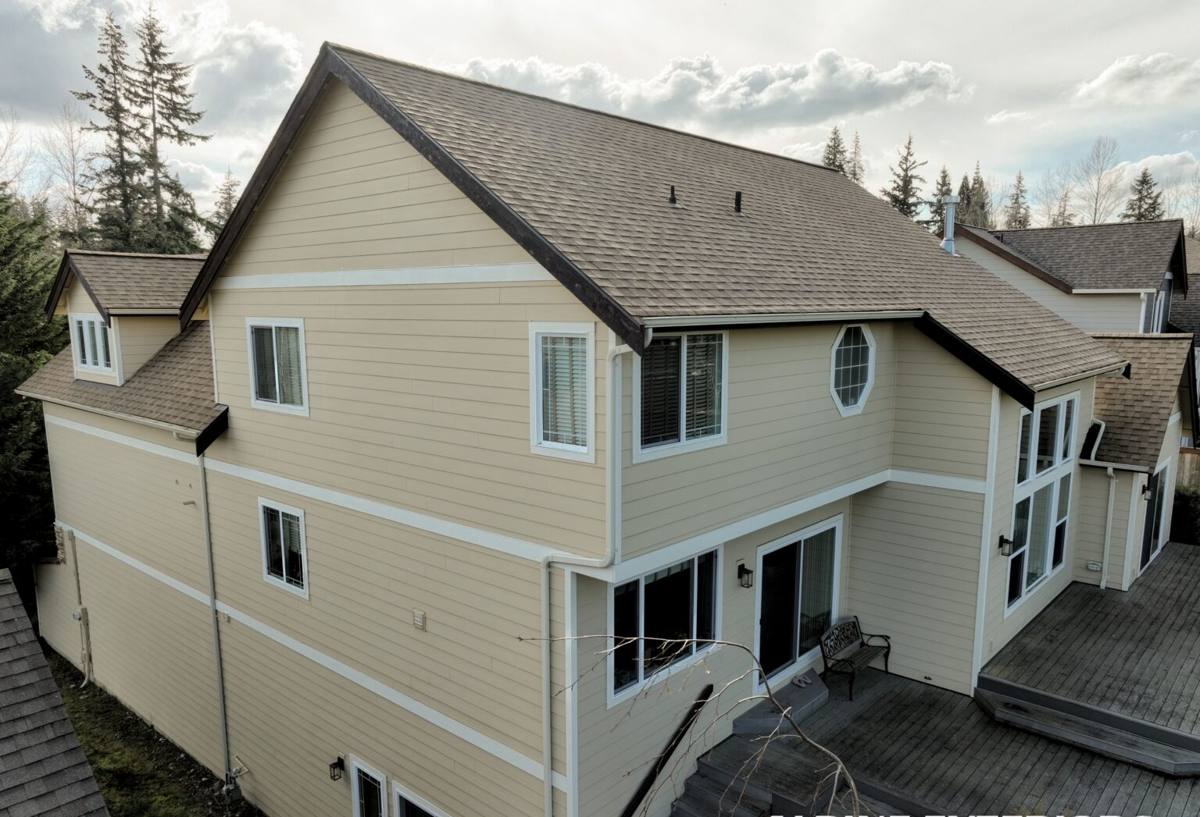
What Goes Into a Deck Built to Last in This Climate
A deck that looks finished on the surface can still be built wrong underneath. The parts nobody sees are the parts that determine whether it's standing — and safe — in ten or twenty years.
Footings and Post Bases
Post footings need to be sized and set to resist both the vertical load of people and furniture and the uplift and lateral forces that come with high wind. In Pinellas County that means footings poured to the depth and diameter the local building code requires for the deck's size and height, with post bases that keep the wood post off the concrete so water can't wick up into the end grain. A post sitting directly in standing water at the base of a footing is one of the most common reasons we find rot when we're called out to inspect an older deck.
Fasteners and Connectors
Salt air corrodes standard fasteners faster than most homeowners expect, even a few miles inland from the water. Structural connectors — joist hangers, hurricane ties, post-to-beam brackets — should be hot-dip galvanized or stainless steel, rated for the wood preservative treatment they're installed against (some coatings react badly with the wrong metal, accelerating corrosion). Deck screws should be coated or stainless as well. This is one of the cheapest parts of the job to do right and one of the most expensive to fix later, since fixing it usually means tearing the deck apart.
Ledger Board Attachment
The ledger board — where the deck attaches to the house — is the single most common source of deck failures nationally, and it's no different here. It has to be properly flashed so wind-driven rain can't get behind it and into the house's rim joist or wall framing, bolted (not just nailed) to solid framing, and spaced or flashed to allow water to shed away from the house rather than pool against it. Get this wrong and you're not just risking the deck — you're risking rot inside the wall of the house itself.
Board Spacing and Drainage
Decking boards need enough gap between them to let water drain through quickly rather than sit and wick into the board edges, and the framing underneath needs enough slope and airflow that the space under the deck dries out between the frequent summer storms this area sees. A deck built too tight to the ground, or without enough ventilation underneath, stays damp longer after every rain — which shortens the life of everything above it.
Choosing a Decking Material for Largo's Sun and Salt Air
There's no single "best" decking material — there's a best material for your budget, your maintenance tolerance, and how much direct sun and salt exposure the deck will see. Here's how the common options actually perform in this climate.
| Material | How It Handles Sun & Salt Air | Maintenance | Typical Lifespan Here |
|---|---|---|---|
| Pressure-treated wood | Grays and checks (small surface cracks) faster under intense Florida UV; needs a UV-rated sealant to slow it down | Sealing/staining every 1-2 years | 10-15 years with upkeep |
| Cedar/tropical hardwood | More naturally rot- and insect-resistant than treated pine, but still weathers and grays without sealing | Sealing every 1-2 years | 15-25 years with upkeep |
| Capped composite | Protective cap resists UV fading and moisture better than wood; quality varies by brand and cap thickness | Periodic washing, no sealing/staining | 20-30 years |
| PVC decking | Fully synthetic, doesn't absorb moisture, handles salt air and UV well when it's a quality product | Periodic washing | 25+ years |
Composite and PVC cost more up front but eliminate the recurring sealing and staining that wood demands in this much sun. Wood costs less initially and can look great, but it's an ongoing maintenance commitment — skip a couple of sealing cycles in Largo's climate and it shows. We'll walk through the honest trade-offs for your project and budget rather than push whatever has the highest margin.
Permitting and Wind-Load Requirements in Pinellas County
Most custom deck construction in Largo and the surrounding unincorporated Pinellas County areas requires a building permit, and the structure has to meet Florida Building Code wind-load provisions for this region — which govern things like footing depth, post spacing, and how the ledger and railings are attached. Railings on any deck with a significant drop-off also have height and baluster-spacing requirements that inspectors check closely.
Skipping the permit might save time up front, but it creates real problems later: unpermitted structures can complicate a home sale, and if a deck built without a permit and inspection fails during a storm, insurance claims can get messy. We pull the required permits and build to the inspected code as a standard part of the job, not an add-on.
Our Process for Largo Deck Projects
- On-site assessment: we look at the ground conditions, sun exposure, house attachment point, and how you actually plan to use the space before we talk materials.
- Design and material selection: layout, decking material, railing style, and any built-ins (benches, planters, stairs) sized to your budget.
- Permitting: we handle the permit application and coordinate the required inspections with Pinellas County or the applicable local authority.
- Footings and framing: footings, posts, beams, joists, and ledger attachment built to code and to the fastening standards described above.
- Decking, railings, and finish work: board installation, railing systems, stairs, and any lighting or trim details.
- Final walkthrough: we go over the finished deck with you, including what maintenance (if any) the material you chose actually needs.
Signs Your Existing Deck Needs Repair or Replacement
If you already have a deck in Largo, a few warning signs are worth checking for before they turn into a bigger repair — or a safety issue:
- Soft, spongy, or discolored spots in the decking boards
- Rust streaks around fasteners or visibly corroded hardware
- Any gap, movement, or looseness where the deck meets the house (the ledger connection)
- Wobble in the railing posts when you push on them
- Wood that's splintering, cupping, or checking badly despite regular sealing
- Standing water or damp soil that stays wet long after rain under the deck
- Stair stringers or treads that flex noticeably underfoot
Any one of these on its own might be a minor fix. Several together, especially near the ledger or the posts, usually means it's time for a proper structural inspection before someone gets hurt.
Maintenance That Actually Matters in This Climate
Whatever material you choose, a few habits make a real difference to how long a Largo deck lasts. Rinse off salt residue and organic debris (leaves, pollen, dirt that holds moisture) periodically, especially after storms. Keep gutters and downspouts directing water away from the deck structure rather than onto it. If you have wood decking, don't let the sealing schedule slip — Florida UV is unforgiving on unprotected wood. And check fastener heads and railing connections once or twice a year for early rust or looseness, since catching that early is a five-minute fix instead of a board replacement.
Why Hire a Crew That Already Works in Largo
Building codes, wind-load requirements, and permitting processes vary by jurisdiction, and Pinellas County's requirements aren't identical to a deck built a couple counties over. A crew that already works in Largo and the greater Clearwater area knows the local permitting process, has already seen how the local soil and drainage conditions behave under a footing, and has already worked through what actually holds up against a full season of Gulf Coast sun, salt air, and summer storms versus what just looks good on a spec sheet. That's the difference between a deck that needs attention in five years and one that's still solid in twenty.
If you're planning a new deck or dealing with an aging one in Largo, we're happy to come take a look and give you a straightforward, no-pressure estimate — just fill out the form below.