 Clearwater Siding
 New-Construction Windows for Island Estates Homes
Island Estates sits right on the water in Clearwater, which means every window on a new build here is doing more work than a window on a typical inland lot. Between the open exposure off the Intracoastal, the salt-laden air, and the wind loads Pinellas County code requires this close to the coast, a new-construction window package for this neighborhood has to be selected and installed differently than it would be a few miles inland. When we say "new-construction windows," we mean windows installed into a stud-framed rough opening before stucco, siding, or exterior finish goes on — as opposed to a retrofit or replacement window that fits into an existing frame. That distinction matters for how the window is flashed, fastened, and sealed, and it's where a lot of long-term problems start if the work is rushed.
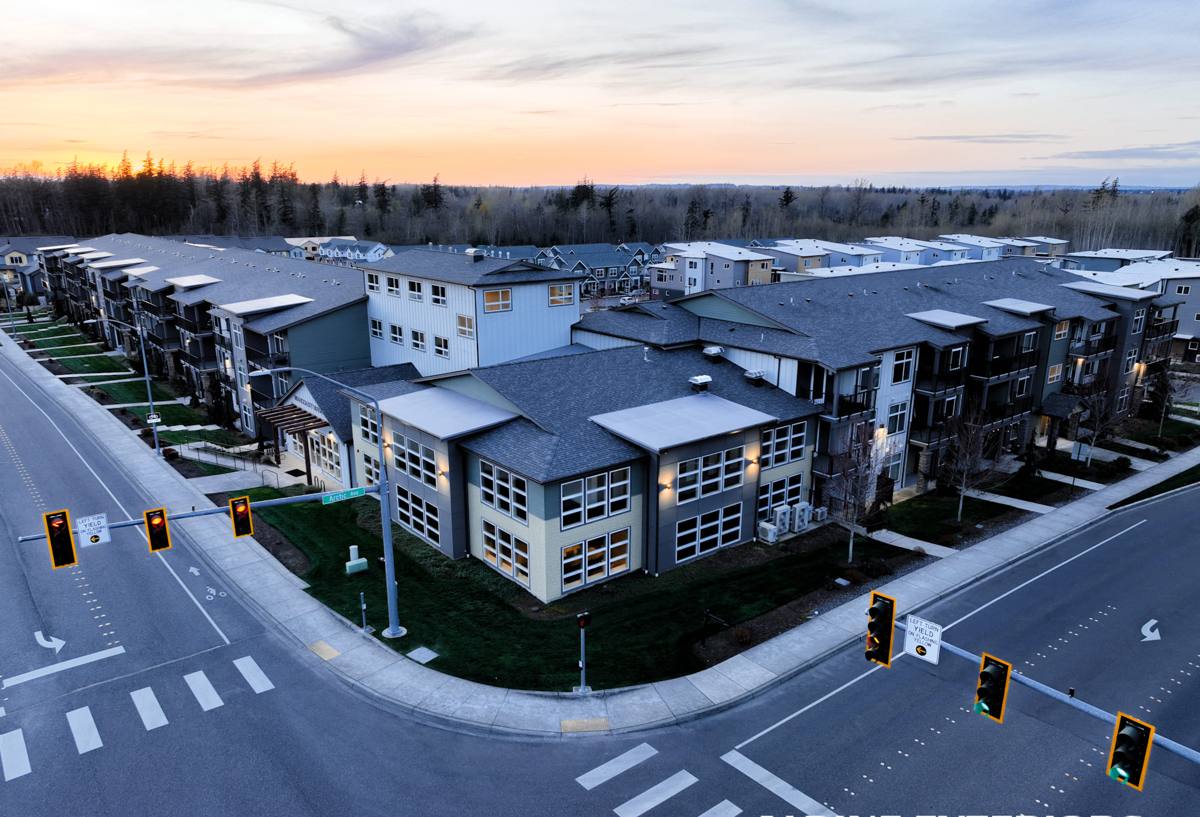
What the Island Estates Climate Actually Does to a Window Opening
Homeowners building or doing a major addition in Island Estates are dealing with a specific combination of stressors that don't all show up this concentrated in other parts of Clearwater:
- Hurricane-force wind pressure: Waterfront and near-waterfront lots see higher wind-load design values, which drives frame reinforcement, anchoring schedule, and glazing requirements.
- Wind-driven rain: Storms here don't just bring rain straight down — wind pushes water sideways and upward into any gap in the flashing or sealant, which is why the flashing detail matters as much as the window unit itself.
- Year-round, intense UV: Florida sun degrades vinyl, weatherstripping, and low-quality sealants faster than in most of the country, so material choice and sealant selection have to account for UV exposure from day one.
- Salt air: Being this close to open water accelerates corrosion on fasteners, hinges, and hardware that isn't rated for a marine-adjacent environment.
None of these are exotic problems — they're the same four forces every Clearwater coastal home deals with. But on an Island Estates lot they're usually all present at a higher intensity than on a home set back from the water, which is why we treat window specification here as its own decision, not a copy-paste from an inland job.
Why This Isn't Just "Pick a Good Window and Install It"
A high-quality window can still fail prematurely if the rough opening isn't flashed correctly, if the wrong fastener pattern is used for the wall assembly, or if the sealant joint isn't detailed to shed wind-driven rain. On new construction, we're building the water-management system from the framing out — house wrap, flashing tape, sill pan, window unit, and exterior sealant all have to work together as one assembly. Skipping or shortcutting any single layer creates a weak point, and on a waterfront lot that weak point gets tested during the very first serious storm.
What Correct New-Construction Window Installation Involves
1. Product Selection for Wind and Impact Requirements
Pinellas County's building code sets wind-load and, in many cases, impact-resistance requirements based on the property's location and exposure category. For Island Estates, that typically means specifying windows with a Florida Product Approval or Miami-Dade NOA rating appropriate to the site's design pressures, along with impact-rated glazing or code-compliant shutters where required. We pull the actual wind-load and flood-zone data for the specific lot rather than assuming — coastal exposure varies even within the same neighborhood depending on how open the lot is to the water.
2. The Rough Opening and Flashing Sequence
This is where most long-term leaks and rot originate, and it's the part homeowners never see once the wall is closed up. A correct sequence includes:
- Sill pan flashing sloped to drain any water that gets past the window back to the exterior, not into the wall cavity.
- Self-adhered flashing tape integrated with the house wrap using a proper shingle-lap order (bottom, sides, then top) so water always drains outward and downward.
- Back-caulking or a bond breaker at the nailing flange per the window manufacturer's instructions — this varies by product and is a common place where installers cut corners.
- Correct fastener type and spacing for the wall assembly, sized to meet the tested wind-load rating of that specific window.
- Exterior sealant joint at the window perimeter using a UV-stable, paintable sealant rated for coastal exposure.
3. Hardware and Fastener Corrosion Resistance
Standard zinc-plated hardware corrodes faster in salt air than most homeowners expect. On Island Estates builds we spec stainless steel or otherwise corrosion-resistant fasteners and hinge hardware, particularly on operable windows where corroded hardware eventually means a window that won't lock properly or open smoothly.
Framing, Glass, and Frame Material — What Holds Up Here
| Factor | What to Look For | Why It Matters in Island Estates |
|---|---|---|
| Frame material | Impact-rated vinyl, fiberglass, or aluminum with marine-grade hardware | UV and salt exposure degrade low-grade materials faster near open water |
| Glazing | Laminated impact glass or code-compliant shutter system | Meets wind-borne debris requirements for coastal exposure zones |
| Wind rating | Florida Product Approval / Miami-Dade NOA matched to the lot's design pressure | Design pressures vary by exposure category, even within the neighborhood |
| Fasteners/hardware | Stainless steel or coated corrosion-resistant hardware | Standard hardware corrodes noticeably faster in salt air |
| Sealant | UV-stable, paintable, coastal-rated exterior sealant | Florida sun breaks down lower-grade sealants within a few seasons |
Our Process for New-Construction Window Jobs in Island Estates
1. Site and Plan Review
We review the architectural plans, the lot's flood zone and wind-load requirements, and the specific exposure conditions of the property before recommending a window line and glazing spec. On a waterfront lot, we'd rather spend extra time here than have to correct a spec mismatch after openings are framed.
2. Product Selection and Ordering
We walk homeowners or their builder through frame material, glass package, and hardware options, with straightforward tradeoffs on cost, maintenance, and long-term durability — no upselling on features that don't apply to the specific exposure of the lot.
3. Rough Opening Prep and Flashing
Before a single window goes in, we confirm the rough openings are square, properly sized, and that the house wrap and flashing sequence is ready to integrate with the window flanges correctly.
4. Installation
Windows are set, shimmed level and plumb, fastened per the manufacturer's tested pattern, and flashed and sealed in the sequence above. We check operation — smooth opening/closing, proper locking engagement — before moving to the next opening.
5. Final Inspection and Documentation
We confirm every opening meets the specified wind rating and that documentation (product approval numbers, installation instructions on file) is available for the permit inspection and for the homeowner's records.
Why Hiring a Crew That Already Works Island Estates Matters
Pinellas County's permitting and inspection process for coastal-zone new construction has specific documentation requirements — product approvals, installation instructions matched to the exact product installed, and sometimes third-party inspection depending on the scope of the build. A crew that regularly pulls permits and passes inspections in this specific area already knows what the inspector will check and what documentation needs to be on hand, which avoids the delays that come from a failed inspection or missing paperwork. Just as important, a crew familiar with this stretch of Clearwater's coastline understands how exposure varies lot to lot — a home set back behind other construction doesn't need the same spec as one with a clear line to open water, and getting that judgment right avoids both overspending and underbuilding.
A Few Things Worth Checking Before You Hire Anyone
- Ask to see the Florida Product Approval or Miami-Dade NOA documentation for the specific window model being proposed — not just a general claim that it's "hurricane rated."
- Confirm the flashing and sill pan detail in writing, not just the window brand — the installation is at least as important as the product.
- Ask what fastener and hardware grade is being used, and whether it's rated for coastal/salt-air exposure.
- Get a written scope that separates product cost from labor and flashing materials, so you can see what you're actually paying for.
- Confirm who pulls the permit and manages the inspection — this should not be left ambiguous on a new-construction job.
Cost Factors to Expect
New-construction window costs in Island Estates run higher than a typical inland Clearwater installation, mainly driven by impact-rated glazing, higher wind-load hardware, and the additional flashing labor a coastal-exposure opening requires. Exact pricing depends on window count, size, frame material, and glazing package, and we always provide a written, itemized estimate before any work starts rather than a rough verbal number.
If you're building or doing a major addition in Island Estates and want a straight answer on what your windows need to meet code and hold up to the water exposure on your specific lot, we're happy to take a look and put together a free, no-pressure estimate — just fill out the form below.