 Clearwater Siding
 Window Installation for Countryside Homes
Countryside sits inland enough from the Gulf that homeowners sometimes assume their windows get an easier ride than beachfront properties. They don't. Pinellas County builds to a wind-borne debris standard because the whole peninsula is exposed to hurricane-force gusts, and Countryside's mature tree canopy actually adds its own risk in the form of wind-driven branches and debris during storms. Add in year-round UV exposure, frequent wind-driven rain, and salt-laden air that travels farther inland than most people expect, and you have a climate that is genuinely hard on windows — frames, glass, seals, and hardware all age faster here than they would in a milder climate.
A window installed correctly for this environment should last decades without callbacks. A window installed by someone unfamiliar with local wind zones, flashing details, or code requirements can fail years early — leaking at the frame, fogging between panes, or in the worst case failing outright during a storm. This page covers what that correct installation looks like specifically for Countryside homes.
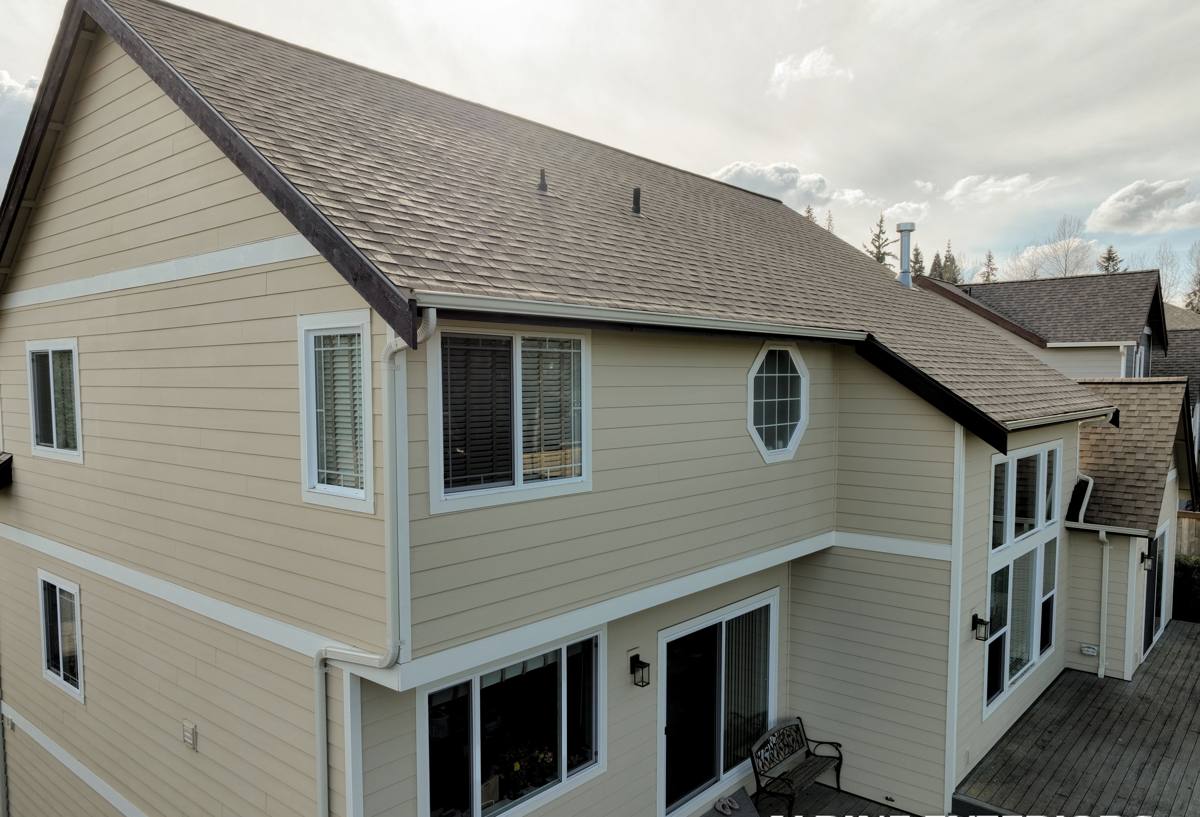
What This Climate Does to Windows Over Time
Wind and Pressure
Florida's building code treats window openings as structural elements, not just holes in the wall. During high wind events, a failed window can allow wind to pressurize the interior of a home, which is one of the fastest ways to lose a roof. That's why product approval, anchoring method, and installation technique all matter as much as the glass itself.
UV and Heat
Constant sun exposure breaks down vinyl, degrades seals, and fades interior finishes near windows. Frames that aren't UV-stabilized can warp or discolor within a few years. Glass packages with poor solar control let heat load into the home, which shows up as higher cooling bills — a real cost in a county where AC runs most of the year.
Wind-Driven Rain and Humidity
Rain here rarely falls straight down. Wind pushes water sideways against the building envelope, which means flashing and sealant details at the window opening matter more than they would in drier climates. A window that's watertight in a light rain can still leak in a sideways summer storm if it wasn't flashed correctly.
Salt Air
Countryside isn't beachfront, but salt aerosol carries well inland on Gulf breezes. Over time it corrodes hardware, pits untreated metal components, and accelerates the breakdown of lower-grade seals and weatherstripping. Hardware and fastener quality matter more here than in inland states.
Signs a Countryside Home Needs New Windows
- Visible fogging or condensation between panes — the seal has failed and the insulating gas has escaped
- Windows that are difficult to open, close, or lock, or that no longer sit flush in the frame
- Soft or discolored drywall, trim, or sill area around a window after heavy rain
- A noticeable draft or temperature difference near the window even with it closed
- Visible daylight or gaps around the frame from outside
- Chalky, warped, or discolored vinyl or aluminum frames
- Rooms near certain windows that are noticeably hotter than the rest of the house
- Window stickers or documentation missing, with no way to confirm the product's wind rating
Any one of these is worth a look. Several together usually means the windows are past their useful life rather than needing a repair.
What a Correct Window Installation Actually Involves
Swapping the glass unit itself is the easy part. The details that determine whether a window performs for 20+ years in this climate happen around the opening:
Opening Prep and Inspection
Before a new window goes in, the rough opening needs to be checked for level, square, and any hidden water damage or wood rot from the old unit. Skipping this step is how new windows end up leaking through old problems that were never actually fixed.
Flashing and Weatherproofing
Proper flashing directs any water that gets past the window itself back out of the wall assembly rather than into it. This is arguably the single most important — and most commonly rushed — step in the whole job, and it's invisible once the trim goes back on.
Anchoring to Rating
Impact and wind-rated windows are only as good as their installation. Anchoring type, spacing, and embedment depth into the structure all have to match the window's product approval, not just "however many screws seemed like enough."
Sealant and Sill Pan Details
A sill pan under the window and correctly applied sealant at all penetration points keep wind-driven rain from finding a path inward. Low-quality or improperly applied sealant is one of the most common causes of early leaks.
Final Fit and Operation Check
Every window should open, close, and lock smoothly with no binding, and should be checked for square and plumb before trim goes back on.
Impact-Rated vs. Standard Windows
This is the biggest decision point for most Countryside homeowners, and it's worth understanding the real trade-offs rather than picking on price alone.
| Factor | Impact-Rated Windows | Standard Windows + Shutters |
|---|---|---|
| Storm protection | Built into the glass and frame; always active, no setup needed | Requires shutters to be installed before every storm |
| Everyday UV and noise reduction | Noticeably better due to laminated glass | Standard glass performance |
| Insurance considerations | Can factor into wind mitigation credits — confirm specifics with your carrier | Shutter coverage on all openings may also qualify, depending on carrier |
| Upfront cost | Higher per window | Lower window cost, but ongoing shutter cost and labor |
| Long-term convenience | Nothing to install, store, or deploy | Shutters must be put up and taken down, and stored between storms |
Neither option is wrong — it depends on budget, how the home will be used, and personal preference. What matters is that whichever route you choose is installed and, if applicable, rated to match the wind zone your specific property falls under.
Our Installation Process
- On-site assessment — we measure every opening individually (older Florida homes are rarely perfectly consistent from window to window) and inspect for any existing water damage or structural issues
- Product selection — we walk through frame material, glass package, and wind rating options based on your home, budget, and how exposed the opening is
- Permitting — window replacement in Pinellas County typically requires a permit; we handle the paperwork and inspection scheduling
- Removal and opening prep — old units come out, and the opening is inspected and repaired if needed before anything new goes in
- Installation — flashing, sill pan, anchoring to the product's approved schedule, and sealant, in that order
- Interior and exterior finish — trim, caulking, and paint touch-up to match the surrounding wall
- Final walkthrough — every window is opened, closed, and locked in front of you before we consider the job done
Frame Material Options
| Frame Material | Strengths | Trade-offs in This Climate |
|---|---|---|
| Vinyl | Won't corrode from salt air, low maintenance, good insulation | Needs UV-stabilized formulation or it can warp/discolor over time |
| Aluminum | Strong, slim sightlines, common in impact-rated systems | Conducts heat more than vinyl; needs quality coatings to resist salt corrosion |
| Fiberglass/composite | Very stable across temperature swings, durable | Higher upfront cost |
| Wood | Traditional appearance | Highest maintenance burden in humid, salt-air conditions; not something we recommend without a clear maintenance plan |
Permits and Code in Pinellas County
Window replacement is a permitted job here, and for good reason — it's one of the checkpoints that confirms wind-rated products are actually installed to their approved specifications, not just sold as if they were. Depending on your specific location and the home's construction, wind load requirements can vary somewhat even within a few miles. Part of a correct quote is confirming what your particular openings need before ordering product, rather than guessing and hoping it passes inspection.
Why a Crew That Already Works Countryside Matters
Window installation done right depends on understanding the conditions a specific opening will face — sun exposure, prevailing wind direction, whether it's shielded by trees or fully exposed. A crew that regularly works this neighborhood has already seen how Countryside's home styles, window openings, and older construction details behave, and knows what to check for before a problem shows up two years down the road. That familiarity shortens the guesswork on assessment day and helps avoid surprises mid-installation.
Caring for New Windows After Installation
- Rinse frames and glass periodically to remove salt residue, especially after storms
- Check exterior caulking annually and re-seal any cracked or separated sections promptly
- Keep weep holes (small drainage openings at the base of the frame) clear of dirt and debris
- Operate locks and hardware a few times a year even on windows you rarely open, to keep mechanisms from seizing
- Watch for early signs of seal failure — fogging between panes — and address it before it spreads to multiple units
New windows are a long-term investment in comfort, protection, and home value. If you're seeing any of the warning signs above, or simply want a straight answer on what your Countryside home's windows actually need, we're happy to take a look. Use the form below to request a free, no-pressure estimate.