 Clearwater Siding
 Roofing Sunset Point: A Different Kind of Wear
Sunset Point sits close enough to the water that its homes take a different kind of beating than roofs a few miles inland. The combination of hurricane-force wind gusts during storm season, intense year-round UV exposure, wind-driven rain that gets pushed sideways under loose flashing, and a steady drift of salt air off the Gulf and Tampa Bay all work on a roof at the same time, not one at a time. A shingle roof that would hold up fine in a drier, calmer climate can start showing granule loss, curling, and nail-pop within a few years here if it wasn't installed with these conditions in mind.
This page is about one job done right in one place: asphalt shingle roofing for homes in and around Sunset Point in Clearwater, Pinellas County. Not a general overview of shingles everywhere — what this specific stretch of coastline actually demands from a roof, and what we do differently because of it.
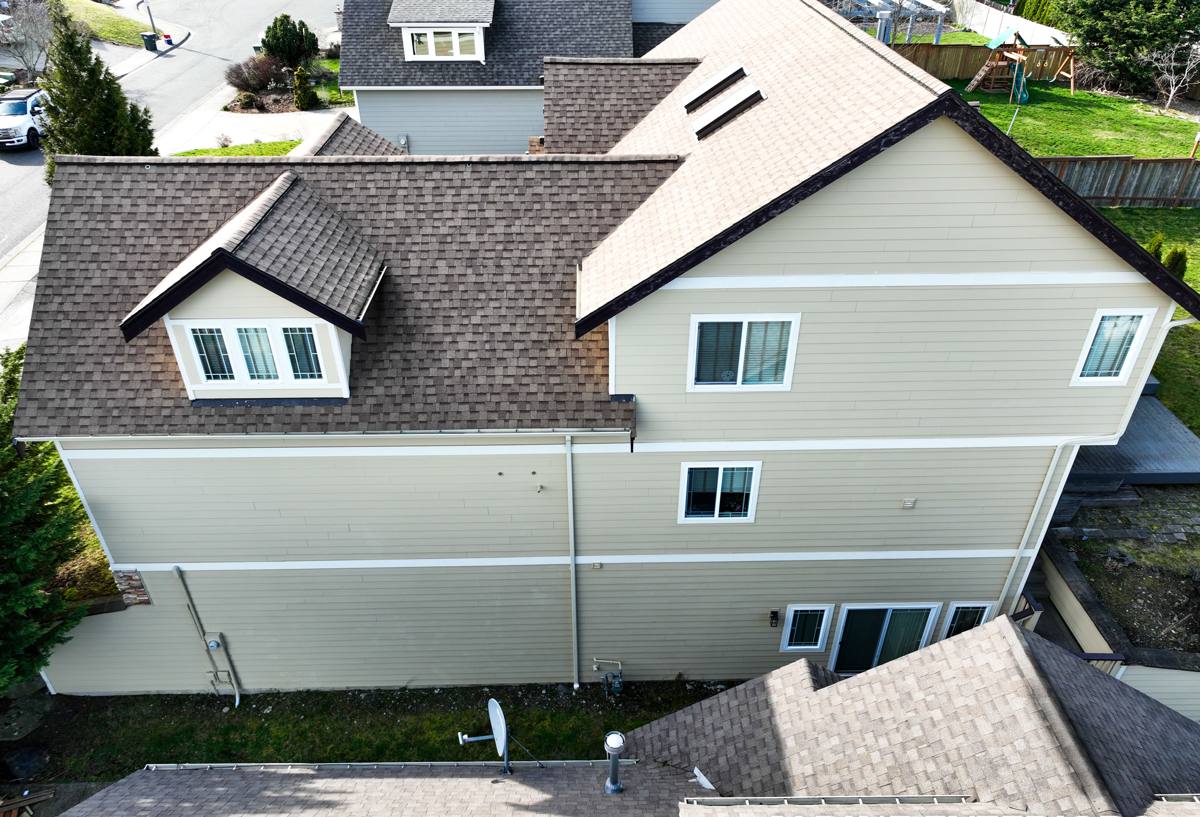
What Pinellas County Weather Does to a Shingle Roof
Wind
Clearwater sees sustained tropical-storm and hurricane-strength wind events most years, and even routine summer squalls can gust well past what a roof rated for a milder climate was designed to handle. Wind doesn't just tear shingles off in a straight pull — it gets under a lifted edge or a weak nailing pattern and peels shingles back like a can opener. The starter course along eaves and rakes, and the nailing pattern across the whole field, matter more here than almost anywhere else in the country.
UV and Heat
Florida sun is relentless on a roof deck. UV breaks down the asphalt binders in shingles over time, drying them out and making them brittle. Attic temperatures under a dark roof on a July afternoon can climb well past what the shingle manufacturer tested for, which accelerates aging and makes proper ventilation a functional requirement, not an upgrade.
Wind-Driven Rain
Storms here rarely drop rain straight down. It comes in sideways, which means water gets pushed up under shingle edges, into valleys, and around any flashing that isn't sealed and lapped correctly. A roof that's watertight in a gentle rain can still leak in a Gulf-driven storm if the underlayment and flashing details weren't built for wind-driven water specifically.
Salt Air
Being near the coast means airborne salt settles on exposed metal — flashing, drip edge, nail heads, roof vents — and accelerates corrosion. Fasteners and flashing that would last decades inland can start failing years earlier this close to the water if the wrong materials were used.
What a Correctly Installed Asphalt Shingle Roof Includes
A shingle roof is a system, not just a layer of shingles. Every component below has to work together, and skipping or downgrading any one of them is usually where later leaks and blow-offs come from.
- Wind-rated shingles — architectural or impact-rated shingles rated for high-wind zones, installed with the fastener count the manufacturer specifies for our wind exposure, not the minimum.
- Synthetic underlayment — a secondary water barrier under the shingles that keeps the deck dry if wind-driven rain gets past the shingle layer.
- Self-adhering ice-and-water style membrane at vulnerable points — valleys, eaves, and roof penetrations, even though Clearwater doesn't get ice, this membrane's self-sealing property is what actually protects those spots from wind-driven rain.
- Corrosion-resistant flashing — around chimneys, walls, skylights, and any roof-to-wall transition, sized and lapped to shed water correctly in both directions.
- Proper starter strip and drip edge — the first line of defense against wind getting under the roof's edge, which is where most wind failures begin.
- Balanced attic ventilation — intake at the eaves and exhaust at the ridge, sized to the attic's square footage so heat and moisture actually move out instead of cooking the underside of the deck.
- Correct nailing pattern and fastener type — ring-shank or coil roofing nails placed exactly where the shingle and code require, not just close enough.
Shingle Options for Sunset Point Homes
Not every shingle product performs the same way in coastal Pinellas County conditions. Here's how the common options compare for a home in this area:
| Shingle Type | Wind Performance | Typical Lifespan Here | Best For |
|---|---|---|---|
| 3-tab asphalt | Lower wind rating, more prone to edge lift in gusts | Shorter, accelerated by UV and salt exposure | Budget-conscious re-roofs on smaller, simpler roof lines |
| Architectural (laminated) asphalt | Higher wind rating with proper nailing, heavier and more wind-resistant by design | Longer, holds up better to UV and coastal exposure | Most Sunset Point homes; the standard we recommend for this area |
| Impact-rated architectural | Highest wind and impact rating, often qualifies for insurance credits | Comparable to standard architectural, with added impact resistance | Homes prioritizing insurance savings and storm resilience |
We don't install 3-tab shingles on homes this close to the water as our standard recommendation — not because the product is defective, but because architectural shingles hold up meaningfully longer against wind and sun here, and the price difference is usually smaller than homeowners expect relative to how much longer the roof lasts.
What Affects the Cost of a Sunset Point Re-Roof
Every roof is different, so we don't quote sight-unseen, but these are the factors that most often move the price up or down on a shingle roof in this area:
| Factor | Why It Matters |
|---|---|
| Roof pitch and access | Steeper roofs and homes with limited access take longer and require more safety equipment |
| Number of existing layers | Tear-off of multiple old layers adds labor and disposal cost versus a single-layer removal |
| Decking condition | Soft or water-damaged decking found during tear-off needs replacement before shingles go on |
| Roof complexity | Valleys, dormers, chimneys, and skylights each add flashing work and labor time |
| Shingle tier chosen | 3-tab, standard architectural, and impact-rated products carry different material costs |
| Ventilation upgrades needed | Older Sunset Point homes sometimes need added intake or exhaust vents to meet proper attic airflow |
How Our Process Works
1. On-Site Inspection
We walk the roof, check the attic for ventilation and moisture issues, and look at flashing, valleys, and penetrations before writing anything down. This tells us the real condition of the deck, not just the shingles.
2. Honest Scope and Estimate
You get a written scope that spells out shingle type, underlayment, flashing plan, and any decking or ventilation work — with a broad, honest cost range based on what we actually found, not a guess made from the driveway.
3. Permitting
Reroofing in Clearwater and unincorporated Pinellas County requires a permit and inspection. We handle the permit application and schedule inspections as part of the job, so you're not tracking down paperwork mid-project.
4. Tear-Off and Deck Check
Old roofing comes off down to the deck, and we check every sheet of decking for soft spots, delamination, or water damage before anything new goes down. Bad decking gets replaced — it's not something to shingle over.
5. Underlayment, Flashing, and Shingle Installation
Self-adhering membrane goes at valleys and eaves, synthetic underlayment covers the rest of the field, new flashing goes in at every wall and penetration, and shingles are installed with the fastener pattern and starter course built for our wind exposure.
6. Final Walkthrough and Inspection
We walk the finished roof with you, and the county's roofing inspector signs off on the permit before the job is considered closed.
Ventilation and Attic Moisture
Attic ventilation gets overlooked more than any other part of a Florida reroof, and it shouldn't be. Without balanced intake and exhaust, heat and humidity build up under the deck, which shortens shingle life from underneath and can lead to moisture problems in the attic that have nothing to do with an actual leak. We check existing vent intake and exhaust as part of every inspection and factor any needed upgrades into the estimate up front, rather than treating it as a surprise add-on mid-job.
Common Failure Points We Watch Closely
Most shingle roof leaks in this area don't start in the open field of shingles — they start at transitions and penetrations. We pay particular attention to:
- Roof-to-wall junctions, where step flashing has to be installed correctly, not just caulked over
- Valleys, where water volume concentrates during heavy rain
- Chimney and skylight flashing, common spots for age-related sealant failure
- Pipe boots and vent penetrations, where rubber collars dry out and crack under years of UV exposure
- Eaves and rakes, where wind first gets a grip on a shingle edge during a storm
Maintenance That Extends Roof Life Here
A shingle roof in Sunset Point's climate benefits from a bit more attention than the same roof would need somewhere with milder weather. A simple annual routine covers most of it:
- Visual check after any major wind event for lifted, missing, or damaged shingles
- Keep gutters and valleys clear of leaves and debris so water has a clear path off the roof
- Trim back overhanging branches that can abrade shingles or drop debris in a storm
- Have pipe boots and sealant points checked every few years, since these age faster than the shingles themselves
- Address any granule loss or curling shingles early, before they turn into a leak
Why a Crew That Already Works Sunset Point Matters
Roofing standards and inspection expectations vary by jurisdiction, and a crew that regularly pulls permits and passes inspections in Clearwater and Pinellas County already knows what the local inspector expects to see — flashing details, nailing patterns, ventilation ratios — without back-and-forth delays. Familiarity with the neighborhood also means we're not learning the area's wind exposure and typical roof ages for the first time on your job; we've seen how roofs a street over have held up and what tends to go wrong first. After a storm, that local presence also means a faster response, instead of waiting on a crew that has to travel in from outside the area.
Get a Free, No-Pressure Estimate
If your Sunset Point roof is showing granule loss, curling shingles, or storm damage — or you'd just like an honest read on how much life it has left — we're happy to take a look. Fill out the form below for a free, no-pressure estimate, and we'll walk the roof with you and tell you exactly what we find.