 Clearwater Siding
 Roof Repair in Belleair Bluffs: Built for This Climate, Not a Generic One
Belleair Bluffs is a small, tightly packed community wedged between Largo and the Belleair peninsula in Pinellas County, and its roofs take a beating that homeowners further inland simply don't deal with. Sitting this close to the Intracoastal Waterway and the Gulf means near-constant humidity, salt-laden air, and direct exposure to whatever comes off the water during storm season. A roof repair that works fine on a house forty miles inland can fail here in a fraction of the time if it isn't specified for this environment. We repair roofs in this neighborhood regularly, and the fixes we recommend are shaped by what actually holds up a few blocks from the water — not by a one-size-fits-all checklist.
This page is about roof repair specifically, not full replacement. Most roof problems in Belleair Bluffs start small: a lifted shingle after a windstorm, a slow leak around a vent stack, a soft spot near a valley. Caught early and repaired correctly, these issues stay small. Ignored, or patched with the wrong approach, they turn into interior damage, wood rot, and eventually a premature full re-roof.
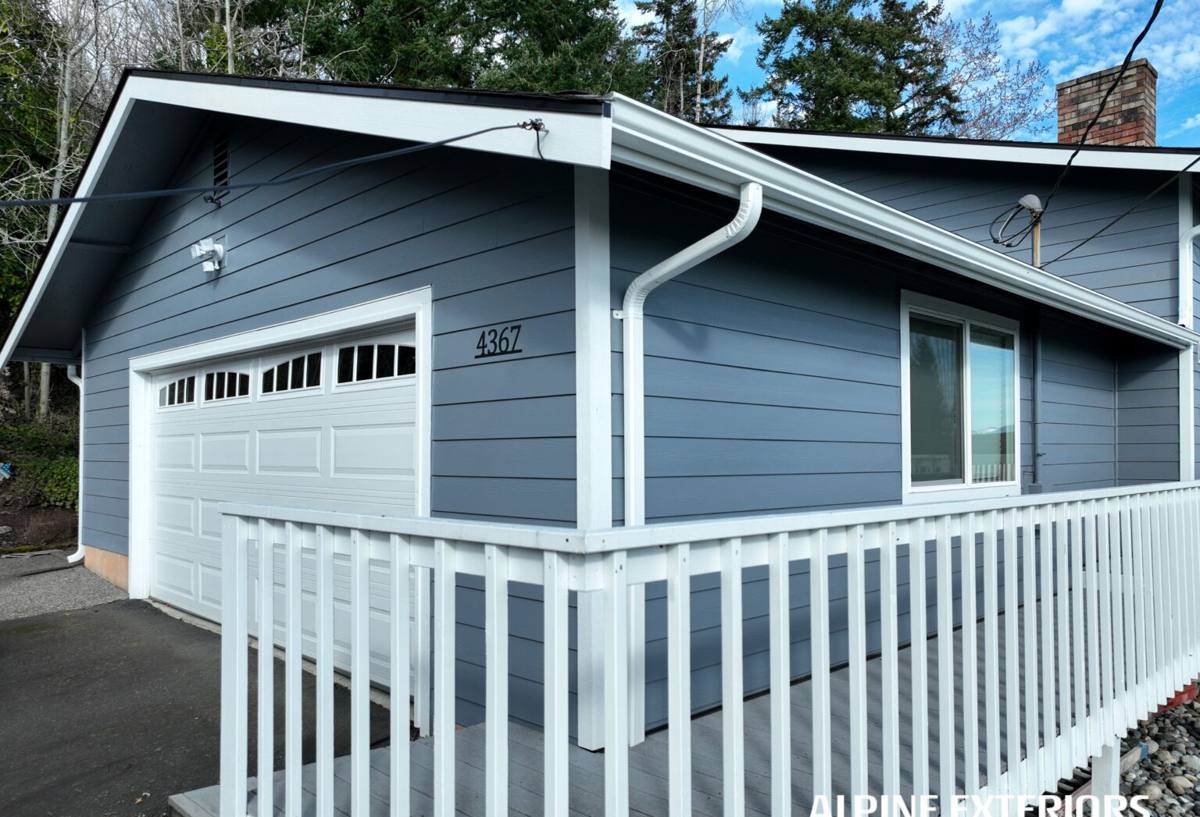
How the Local Climate Attacks a Roof
Intense, Year-Round UV
Florida sun doesn't take a season off. UV exposure breaks down asphalt shingle granules, dries out sealant strips, and accelerates the aging of underlayment faster than manufacturers' published lifespans often assume. On south- and west-facing slopes especially, we routinely see shingles that look "fine" from the ground but are brittle and cracking on close inspection.
Wind-Driven Rain
Pinellas County storms rarely bring rain straight down. Wind pushes it sideways and up under shingle edges, around flashing, and into any gap that a calm-weather roof would never notice. This is why so many "mystery leaks" in this area trace back to flashing and edge details rather than a hole in the shingle field itself.
Hurricane-Force Wind Events
Belleair Bluffs sits within a coastal wind zone where roofs need to meet Florida Building Code wind-uplift requirements, and storm gusts test every fastener, nail pattern, and starter course on a roof. A repair that doesn't restore the roof's wind resistance to code — not just its watertightness — is a repair that will likely fail in the next event.
Salt Air and Corrosion
Being close to the water means metal components — flashing, drip edge, nail heads, vent boots with metal collars — corrode faster here than they would inland. A repair that reuses corroded fasteners or flashing to save time is a repair with a short clock on it.
Common Roof Repair Issues We See in Belleair Bluffs
- Lifted or missing shingles along ridges and eaves after wind events
- Cracked or dried-out pipe boots and vent seals letting water track into the attic
- Nail pops and exposed fastener heads that rust and create pinhole leaks
- Deteriorated flashing at chimneys, walls, and roof-to-wall transitions
- Soft or spongy decking near valleys and low-slope sections from repeated saturation
- Granule loss and UV-brittle shingles on south- and west-facing slopes
- Clogged or damaged gutters causing water to back up under the roof edge
- Ceiling stains or musty attic odors that indicate a slow, ongoing leak
What a Correct Roof Repair Actually Involves
Real Diagnosis, Not a Guess
The most common mistake we see from rushed repairs — whether DIY or a fast quote from an unfamiliar crew — is patching the spot where the stain shows up inside the house instead of finding where the water actually entered. Water travels along decking and rafters before it drips, so the visible stain and the entry point are often feet apart. A proper repair starts with tracing the leak to its source, checking flashing, penetrations, and decking condition, and only then deciding what needs to be opened up and fixed.
Matching Materials, Not Just Covering the Hole
Shingles fade and granules wear over time, so a patch using brand-new shingles on a ten-year-old roof will stand out and, more importantly, may not seal the same way against older, weathered courses around it. We work to match shingle profile and, where possible, color as closely as the existing roof allows, and we integrate new material into the existing shingle pattern correctly rather than face-nailing a patch on top.
Flashing and Underlayment Get Fixed First
Because wind-driven rain in this area gets under shingles regardless of how new they are, the underlayment and flashing are the real waterproofing layer. Any repair that leaves damaged flashing or torn underlayment in place — even under fresh shingles — is a repair that will leak again. We replace compromised flashing and underlayment as part of the repair, not as an upsell.
Decking Has to Be Sound
If decking underneath a leak has gone soft or delaminated, no amount of surface repair will hold. We check decking condition at every repair and replace damaged sections before anything goes back over them. Shingling over rotten or spongy decking is one of the fastest ways to turn a $400 repair into a $4,000 one.
Fastening for Wind, Not Just Weather
Repairs in a coastal wind zone need to restore proper nail count and placement per code, not just get a shingle to lie flat. We fasten to current wind-resistance standards on every repair, because a repair that isn't storm-ready isn't really finished.
Repair vs. Replacement: How We Help You Decide
Not every roof problem needs a full replacement, and not every roof is a good candidate for another round of patching. The table below covers the factors we actually weigh when we're on your roof.
| Factor | Leans Toward Repair | Leans Toward Replacement |
|---|---|---|
| Roof age | Under roughly 12-15 years | Nearing or past expected lifespan for the material |
| Extent of damage | Localized — one slope, one penetration, one storm event | Widespread granule loss, multiple leak points, several storms of accumulated wear |
| Decking condition | Solid, no soft spots found | Rot or delamination found in more than isolated spots |
| Prior repair history | First or second repair on this roof | Repeated repairs to the same areas — a sign of a systemic issue |
| Insurance situation | Damage is contained and clearly repairable | Storm adjuster or your insurer is already assessing full-roof loss |
We'll always tell you honestly which side of that line your roof falls on. If a repair is the right call, that's what we'll recommend and price — we don't push replacements on roofs that don't need them.
Our Roof Repair Process
- Inspection. We get on the roof (not just look from the ground) and check the interior/attic side where accessible, tracing suspected leak paths.
- Honest assessment. We explain what's actually wrong, what caused it, and whether repair or replacement makes sense — in plain language, before any work starts.
- Written scope and price. You know exactly what's being fixed and what it costs before we start, with no surprise add-ons for anything we already found during inspection.
- The repair itself. Damaged decking, flashing, underlayment, and shingles are replaced as needed, fastened to current wind standards, and integrated cleanly with the surrounding roof.
- Cleanup and final check. We clear debris and nails from the property and do a final walk-through of the repaired area.
Materials and Matching
Most repair work in Belleair Bluffs involves asphalt shingle roofs, since that's the dominant material in this part of Pinellas County, though we also handle repairs on tile and metal roofing where applicable. For asphalt shingles, we source materials rated for high wind zones and use sealants and flashing components suited to a salt-air environment rather than generic hardware-store parts that corrode or degrade faster near the coast. When exact shingle matches aren't available due to discontinued color runs, we'll tell you that upfront rather than let it be a surprise after the work is done.
A Practical Pre-Repair Checklist
- Note when the leak or damage first appeared — after a specific storm, or gradually
- Check the attic (if accessible) for staining, damp insulation, or daylight through the decking
- Photograph any ceiling or wall stains before repairs begin, for your own records and any insurance claim
- Pull any paperwork from the roof's last repair or installation, if you have it
- Clear gutters near the affected area so drainage isn't masking or worsening the problem
Why a Crew That Already Works in Belleair Bluffs Matters
Roofing here isn't just about the repair technique — it's about knowing the local permitting process, understanding the wind-uplift requirements that apply in this part of Pinellas County, and recognizing how quickly a small deferred repair becomes a bigger problem given the humidity and storm exposure this close to the water. A crew that regularly works this specific area also has a realistic sense of how local HOA or deed-restricted communities may want work coordinated, and won't need to relearn local code requirements on your roof. That familiarity translates into fewer surprises, faster permitting where required, and a repair that's built for what this address actually experiences, not a generic template.
Maintaining Your Roof Between Repairs
A repair holds longer when the rest of the roof is kept in reasonable shape. Keep gutters clear so water isn't backing up under the edge. Trim back overhanging branches that drop debris and hold moisture against shingles. After any significant windstorm, a quick visual check from the ground for lifted shingles or displaced flashing can catch a small issue before the next round of wind-driven rain finds it. If you ever notice a new ceiling stain, musty smell in a closet or attic, or granules collecting in gutters or downspouts, it's worth having it looked at before the next storm rather than after.
If you're dealing with a leak, storm damage, or a roof that's simply due for an honest look, we're happy to come out and give you a straightforward, no-pressure estimate — just fill out the form below and we'll take it from there.