 Clearwater Siding
 Roofing in Belleair Bluffs Isn't Like Roofing Inland
Belleair Bluffs is a small, tightly built community wedged between Clearwater and Largo, close enough to Clearwater Harbor and the Intracoastal Waterway that salt-laden air reaches every roof in town. Add in Pinellas County's exposure to hurricane-force wind events, near-constant summer UV, and wind-driven rain that comes in sideways during storms, and you have a climate that is genuinely hard on roofing materials. A roof that would last 25 years in a drier, inland state can lose meaningful life here if it wasn't built for these specific conditions.
That's the starting point for any honest conversation about roof replacement in this neighborhood: this isn't a generic roofing job. It's a roofing job for a coastal Florida community, and the materials, fastening, ventilation, and flashing details all need to reflect that.
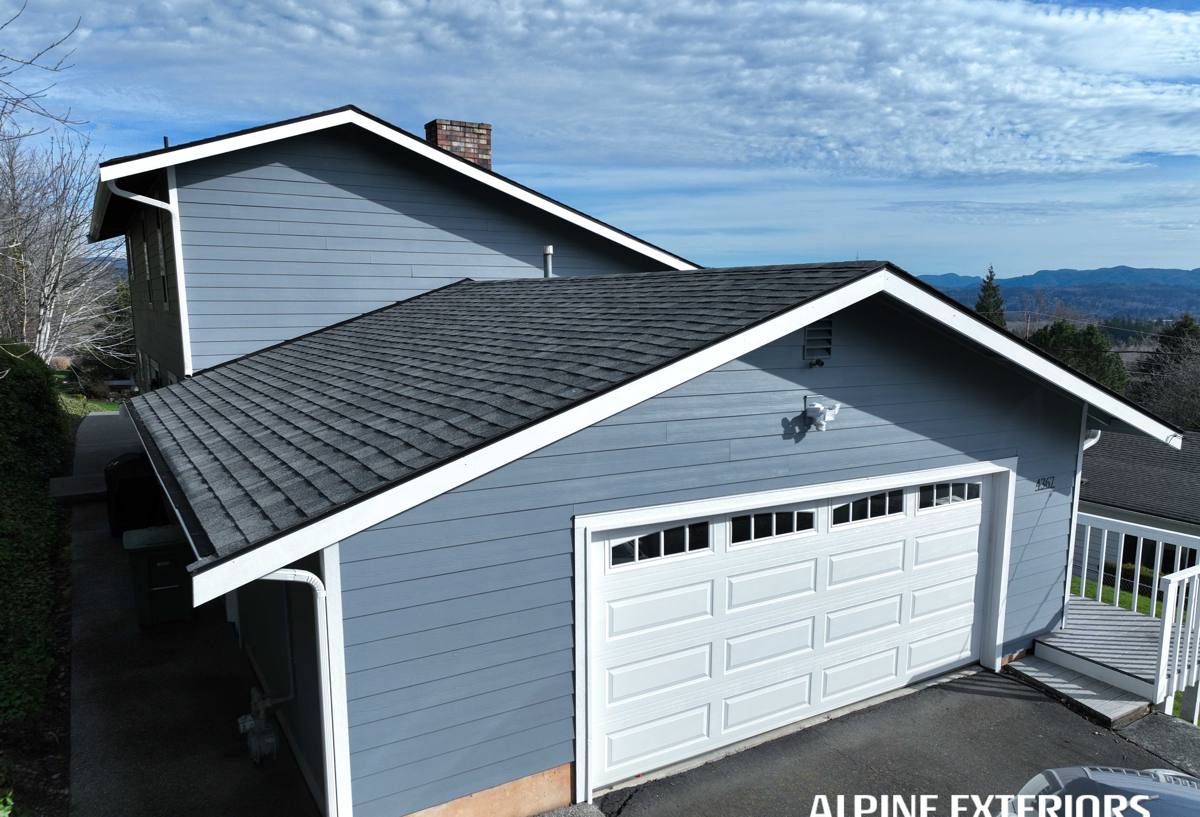
What Clearwater's Climate Actually Does to a Roof
UV and Heat
Florida sun breaks down asphalt shingle oils and granules over time, which is why shingles here age faster than the same product installed in a cooler climate. Underlayment and sealants also degrade faster under sustained UV and attic heat, which is one reason ventilation matters as much as the roof covering itself.
Wind
Pinellas County sees real hurricane risk, and even non-hurricane storms regularly bring gusts strong enough to lift poorly fastened shingles or tiles. Wind doesn't just tear roofs off in dramatic fashion — it works into edges, ridges, and hips gradually, loosening fasteners and flashing over multiple storm seasons until a failure point finally gives way.
Wind-Driven Rain
Rain that comes in nearly horizontal during a storm doesn't behave like a normal downpour. It gets pushed up under shingle tabs, around penetrations, and into any gap in flashing that would never leak in calmer weather. A roof system built for this area has to assume water will be pushed sideways and uphill at points, not just fall straight down.
Salt Air
Being close to open water means metal components — flashing, fasteners, vents, drip edge — are exposed to salt corrosion at a faster rate than roofs further inland. Choosing corrosion-resistant metals and fasteners isn't optional here; it's part of getting a normal service life out of the roof.
What a Correct Roof Replacement Actually Involves
A roof replacement is more than swapping old shingles for new ones. Done right, it's a full system rebuild:
- Full tear-off down to the deck — layering new shingles over old is a shortcut that traps moisture and hides deck problems.
- Deck inspection and repair — soft, delaminated, or water-stained plywood gets replaced, not covered up.
- New underlayment rated for wind-driven rain exposure, installed with proper overlap and fastening.
- New flashing at every valley, wall, chimney, and penetration — reused old flashing is a common source of early leaks.
- Proper ventilation at ridge and soffit to manage attic heat and moisture, which extends the life of the new roofing material.
- Wind-rated fastening that matches or exceeds current code requirements for this wind zone.
- Drip edge and starter course detailing at eaves and rakes, where wind uplift most often begins.
Skipping any one of these steps doesn't just shorten the roof's life — it's usually where the first leak or first wind failure shows up.
Choosing the Right Roofing System for This Area
There's no single "best" roof for Belleair Bluffs — the right choice depends on your home's structure, your budget, and how long you plan to own the property. Here's an honest comparison of the main options we install in this area:
| Material | Typical Lifespan Here | Wind/Coastal Performance | Maintenance |
|---|---|---|---|
| Architectural asphalt shingle | 15–25 years | Good, when installed with proper nailing pattern and sealed starter/hip courses | Low; periodic inspection |
| Standing seam metal | 30–50 years | Excellent uplift resistance; needs coastal-grade fasteners and coating near open water | Very low |
| Concrete or clay tile | 30–50 years | Very good when properly fastened, but individual tiles can crack from wind-thrown debris | Moderate; occasional tile replacement |
| Flat/low-slope membrane (TPO, modified bitumen) | 15–25 years | Depends heavily on correct seaming and edge detail; common on additions and porch roofs | Moderate; seams need periodic checking |
Many homes in this area end up with a mix — a primary pitched roof in shingle, metal, or tile, plus a low-slope section over a porch or addition that needs a membrane system. We'll walk you through which combination fits your specific roof structure rather than pushing one product for every job.
Our Roof Replacement Process, Start to Finish
- On-site inspection — we look at the current roof, the attic, and the deck condition, not just the surface from the ground.
- Written estimate — material options, scope, and a clear price, explained in plain terms.
- Permitting — we pull the required Pinellas County or municipal permit before work starts; this isn't optional and it protects you.
- Material delivery and site protection — landscaping, driveways, and gutters get protected before tear-off begins.
- Tear-off and deck repair — old roofing comes off, deck is inspected board by board, and any damaged sections are replaced.
- Underlayment, flashing, and ventilation installed — the parts you won't see again once the roof is finished, but the parts that determine whether it leaks.
- Roofing material installed to the manufacturer's wind-rated specification for this zone.
- Final cleanup and magnetic sweep for nails and debris, then a final walkthrough with you.
- Inspection sign-off — we close out the permit with the required inspection so there's a documented, code-compliant record for your insurance file.
Permits, Wind Mitigation, and Insurance
Every full roof replacement in Pinellas County requires a permit, and skipping that step — even if a contractor offers to do so to save time — leaves you without a documented inspection trail if there's ever an insurance claim or a future home sale. We pull permits on every replacement and get the required inspections completed.
A new roof also typically qualifies for a fresh wind mitigation inspection, which can lower your homeowners insurance premium since insurers give credit for modern fastening, secondary water barriers, and current hurricane-code compliance. It's worth asking your insurance agent about this once the new roof is complete — the savings can offset a meaningful part of the replacement cost over a few years.
What Drives the Cost of a Belleair Bluffs Roof Replacement
Roof replacement pricing varies by home, and we won't quote a number without seeing the roof, but these are the main factors that move the price up or down:
| Factor | Why It Matters |
|---|---|
| Roof size and pitch | More surface area and steeper pitches take more material and labor time |
| Material choice | Asphalt shingle is generally the most budget-friendly; metal and tile cost more upfront but last longer |
| Deck condition | Rotted or water-damaged decking found during tear-off adds repair cost, but skipping it isn't an option |
| Roof complexity | Valleys, dormers, chimneys, and multiple roof planes add flashing and labor time |
| Number of layers to remove | Homes with more than one layer of old roofing take longer to tear off |
| Access | Tight lot lines, landscaping, or limited driveway access can affect staging and cleanup |
We give a firm written price after inspecting the roof in person — not a phone estimate — so there are no surprise change orders once tear-off starts.
Signs It's Time to Replace Rather Than Repair
Not every roof problem means a full replacement, but certain signs usually point that way:
- Shingles that are curling, cupping, or losing granules across large sections, not just one isolated spot
- Multiple past repairs in different areas of the roof within a short span
- Visible sagging anywhere in the roofline
- Daylight visible through the roof deck from inside the attic
- Leaks that keep recurring even after repair, suggesting the underlayment has failed broadly
- A roof approaching or past the upper end of its material's expected lifespan, especially heading into hurricane season
- Storm damage significant enough that a partial repair would leave mismatched, weaker sections next to newer ones
If you're only seeing one or two of these, a repair may still make sense — we'll tell you honestly if that's the case rather than pushing a full replacement you don't need yet.
Why a Crew That Already Works Belleair Bluffs Matters
Roofing crews that work this specific area regularly get to know the local permitting process, the typical roof structures found in Belleair Bluffs and the surrounding Clearwater area, and how these homes actually perform through a Pinellas County storm season. That familiarity shows up in small but real ways: knowing which flashing details tend to fail first on homes exposed to open water, understanding local permit turnaround, and being available quickly if a storm causes damage rather than being booked out for weeks from further away.
We're a Clearwater-based crew, and Belleair Bluffs is part of the area we work regularly — not a one-off job we drove a long way for. That means straightforward communication, a crew that shows up when scheduled, and a roof built with this specific coastal environment in mind from day one.
If your roof is showing its age or you just want an honest opinion on whether repair or replacement makes more sense, we're glad to take a look. Reach out using the form below for a free, no-pressure estimate — we'll walk the roof, explain what we find, and give you a straight answer either way.