 Clearwater Siding
 Board & Batten Siding in Belleair: Built for the Coast, Not Just for the Look
Belleair sits close enough to the water that every exterior decision on a home here is really a climate decision first and a style decision second. Board and batten siding has a clean, vertical-line look that suits a lot of the architecture in and around Belleair — from older Florida cottages to newer coastal builds — but the material and the installation details matter more here than almost anywhere else in Pinellas County. Salt air, intense UV, and wind-driven rain off the Gulf don't care how good a siding profile looks on day one. They test the caulk lines, the fastener heads, the flashing, and the substrate behind the boards for as long as the house stands.
This page is specifically about board and batten siding for homes in the Belleair area — what the climate demands of it, what a correct installation actually involves, and why a crew that already works this part of Pinellas County is worth choosing over a generic siding installer.
Why Board & Batten Fits Belleair's Look — and Why That's Not Enough
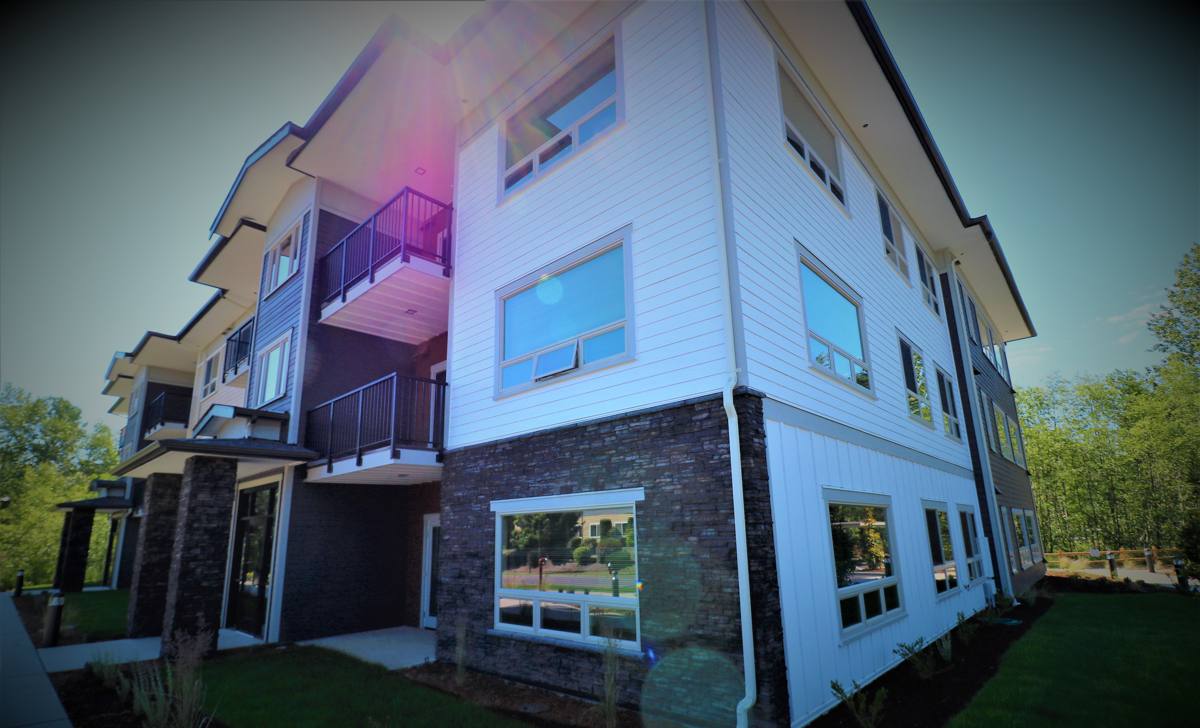
Board and batten reads as understated, coastal, and a little more custom than standard lap siding, which is part of why it shows up so often on homes near Belleair's shoreline and canal-front streets. The vertical boards with narrow battens covering the seams give a home strong shadow lines and a timeless look that works whether the house is a modern build or an older Florida cottage getting a facelift.
The problem is that board and batten was originally a barn-building technique, not a coastal-engineering one. Traditional versions rely on wood boards butted together with a batten nailed over the seam — a design that works fine in a dry climate and fails quickly in ours. Wood board and batten in a Belleair-style climate is fighting moisture intrusion at every seam, UV breakdown on every exposed face, and salt-air corrosion on every fastener, often within a handful of years. The look survives; the substrate underneath frequently doesn't.
What Belleair's Climate Actually Does to This Style of Siding
- Wind-driven rain: Storms off the Gulf push rain sideways, not down — it gets forced up and under battens and through any seam that isn't properly lapped, flashed, or sealed.
- Salt air: Even homes several streets back from the water take on airborne salt that accelerates corrosion on exposed fasteners and metal flashing.
- UV exposure: Florida's sun runs hard on siding facing south and west almost year-round, which is where a factory-cured finish earns its keep over field-applied paint.
- Hurricane-force wind loads: Vertical siding has more surface area catching wind uplift than most people expect, which makes fastening schedule and substrate attachment a structural question, not just a cosmetic one.
Why We Only Install James Hardie for This Application
We install James Hardie fiber cement exclusively — we don't offer vinyl, LP SmartSide, Cemplank, Allura, primed spruce, or cedar board and batten. For a style of siding that lives or dies on how well it handles moisture and seams, that's not a brand preference, it's a practical one. Fiber cement doesn't rot, doesn't feed insects, and doesn't expand and contract the way wood-based products do when they cycle through humidity swings and Gulf heat.
James Hardie's board and batten options are engineered as a system — panel and batten dimensions, fastening patterns, and joint treatments are all specified together, rather than left to whatever combination of lumber a crew has on hand. The ColorPlus factory finish is baked on and warranted against fading, which matters enormously on south- and west-facing walls that take the worst of Florida's UV. And Hardie's HZ5 product line is formulated specifically for high-humidity, storm-prone climates like ours, rather than a general-purpose national spec.
Where Homeowners Get This Wrong
The most common mistake we see isn't choosing the wrong siding brand — it's assuming board and batten is a simple install because the board pattern looks simple. In practice it has more seams per square foot than lap siding, and every one of those seams is a potential water entry point if it isn't detailed correctly. A crew that treats it like a quick cosmetic job is setting a Belleair homeowner up for moisture problems behind the wall within a few storm seasons.
What a Correct Board & Batten Installation Involves
A board and batten job that's actually built for this climate isn't just nailing boards to studs. Here's what we control on every installation:
- A continuous weather-resistant barrier behind the siding, with all seams and penetrations properly lapped and sealed before a single board goes up.
- A rainscreen air gap where the wall assembly calls for it, so any moisture that does get past the outer layer can drain and dry instead of sitting against the sheathing.
- Correct fastener type and spacing per the Hardie fastening schedule for our wind zone — not a generic pattern borrowed from a milder climate.
- Stainless steel or coated, corrosion-resistant fasteners throughout, given how aggressively salt air attacks exposed metal near the coast.
- Proper flashing at every window, door, and roofline transition — the places where board and batten siding most often fails first if it's rushed.
- Batten spacing and fastening set to the manufacturer's specification, not "close enough," since uneven spacing telegraphs visually and can affect drainage behind the boards.
Our Process, Start to Finish
- On-site assessment: We look at your home's exposure — which walls take the worst sun and wind, where old siding shows signs of moisture — before recommending anything.
- Substrate check: Any existing sheathing or framing damage gets addressed before new siding goes up. Covering a moisture problem is worse than not covering it at all.
- Weather barrier and flashing: Installed and inspected before boards go on, since this layer is invisible once the job is finished but does most of the long-term work.
- Board and batten installation: Hardie panels and battens installed to spec, with attention to consistent reveals and tight, properly sealed seams.
- Final detailing: Trim, caulking, and touch-up work around penetrations, corners, and transitions — the details that determine how the job ages, not just how it looks on day one.
Board & Batten vs. Traditional Lap Siding for Belleair Homes
| Factor | Board & Batten (Hardie) | Traditional Lap Siding |
|---|---|---|
| Visual style | Vertical lines, strong shadow detail, coastal-cottage look | Horizontal lines, more traditional Florida look |
| Seam count | More seams to detail and flash correctly | Fewer vertical seams; lapped horizontal joints |
| Wind performance | Excellent when fastened to spec — more surface catching wind uplift | Well-proven wind performance, slightly more forgiving install |
| Moisture management | Requires disciplined flashing and rainscreen detailing | More straightforward lap-and-drain design |
| Maintenance | Low, with factory ColorPlus finish | Low, with factory ColorPlus finish |
Both styles perform well near the coast when they're James Hardie fiber cement, installed correctly. The difference is that board and batten leaves less room for installation shortcuts before problems show up.
Why Hiring a Crew That Already Works in Belleair Matters
Belleair isn't a generic Pinellas County suburb from a wind-loading or moisture-exposure standpoint — homes here, particularly those closer to the water, deal with a combination of salt exposure and storm-driven wind that inland Clearwater properties don't see to the same degree. A contractor who works this specific area regularly has already seen what happens when board and batten is installed without a rainscreen gap, or with the wrong fastener finish, and adjusts the install accordingly rather than learning that lesson on your house.
Local familiarity also matters for things like permitting and wind-load documentation, since Pinellas County's coastal construction requirements are more specific than a lot of installers are used to working with day to day.
Questions Worth Asking Any Contractor Bidding This Job
- What weather-resistant barrier and flashing details will be used behind the boards?
- Is a rainscreen gap included, and if not, why not?
- What fastener type and finish will be used, given salt-air exposure?
- Can they show the specific Hardie fastening schedule they'll follow for this wind zone?
- How will window, door, and roofline transitions be flashed and sealed?
Signs Your Current Board & Batten Siding Needs Attention
If your home already has board and batten siding — wood, older fiber cement, or another material — watch for soft spots or visible swelling at the base of boards, cracking or peeling along battens, staining that suggests water is tracking behind the siding, and fastener heads showing rust bleed. Any of these are signs the assembly behind the siding may already be taking on moisture, and it's worth having it looked at before a full replacement becomes the only option.
Getting an Estimate
If you're considering board and batten siding for a home in Belleair, or you're dealing with an existing installation that's showing its age, we're happy to take a look and give you an honest read on what it needs. There's no pressure and no obligation — just a straightforward assessment from a crew that installs this system, and only this system, day in and day out. Use the form below to request a free estimate.