 Clearwater Siding
 Building Decks for Belleair's Coastal Environment
Belleair sits close enough to the water that every outdoor structure on a property deals with the same combination of stresses: hurricane-force wind gusts during storm season, intense UV exposure nearly year-round, wind-driven rain that finds its way into any gap in the framing, and salt-laden air that accelerates corrosion on anything metal. A deck built the way it might be built in a landlocked state simply won't hold up here. Fasteners rust prematurely, wood fibers gray and split under UV, and framing connections that aren't rated for uplift can fail in a serious wind event.
None of that means Belleair homeowners can't have a beautiful, durable deck. It means the build has to account for these conditions from the design phase forward, not as an afterthought. This page covers what that actually looks like: the structural details that matter, the material trade-offs worth understanding, and how our process is built around getting it right the first time.
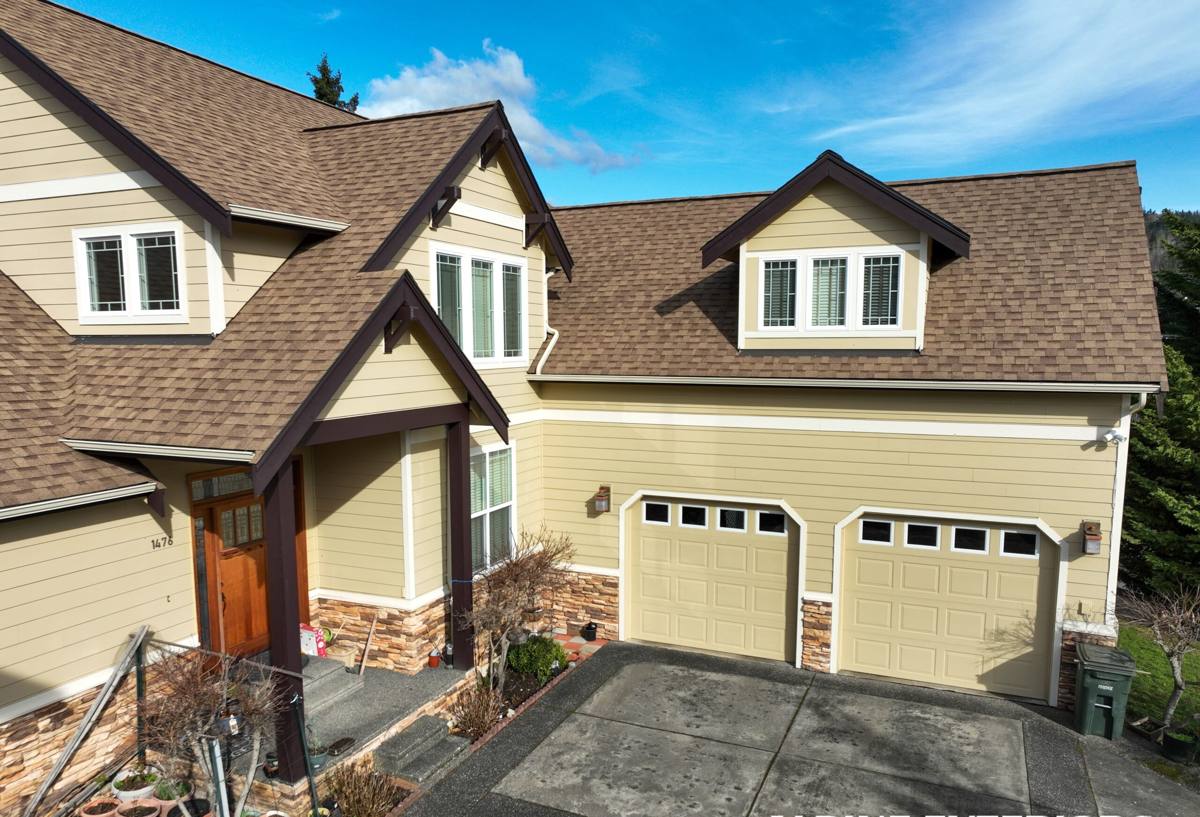
What Belleair Homes Actually Need From a Deck
Most deck problems we're called out to inspect in Pinellas County trace back to a handful of recurring issues, not exotic ones. A properly built deck in this climate needs to address each of them directly.
Wind Resistance
Florida's building code requires deck framing to meet wind load standards that are meaningfully higher than what's used in much of the country, and Belleair's exposure to open water pushes local wind considerations toward the stricter end of that range. That translates into specific requirements for ledger board attachment, joist hangers, post connections, and how the deck ties back into the house structure. Hurricane ties and properly rated hardware at every connection point aren't optional upgrades — they're the difference between a deck that stays put and one that doesn't.
Moisture Management
Wind-driven rain in coastal Florida doesn't fall straight down — it gets pushed sideways into ledger connections, under flashing, and into any seam that isn't properly sealed. A deck ledger that isn't flashed correctly where it meets the house is one of the most common sources of hidden rot, because water gets behind the board and stays there long after the surface looks dry.
UV and Heat Tolerance
Direct Florida sun breaks down the surface fibers of untreated or poorly finished wood faster than most homeowners expect, and it also affects how comfortable a deck surface is to walk on barefoot. Material and finish choices both matter here.
Corrosion Resistance
Salt air travels further inland than people assume, and it attacks unprotected steel fasteners, brackets, and hardware over time. Standard hot-dip galvanized hardware, which is fine in many parts of the country, isn't always the right call this close to the coast.
Structural Details That Separate a Correct Build From a Problem Waiting to Happen
A deck can look finished and still be built wrong underneath. The parts that matter most are the parts you don't see once the decking boards go down.
- Ledger board attachment: Properly through-bolted (not just lag-screwed) into the house structure, with flashing that directs water away from the connection rather than trapping it.
- Footings: Sized and set to the depth Pinellas County code requires, accounting for local soil conditions rather than a generic minimum.
- Joist hangers and post bases: Corrosion-resistant hardware rated for the fastener type and lumber treatment being used — mismatched metals accelerate corrosion in coastal air.
- Beam and post sizing: Matched to span tables for the actual load and spacing, not just "what's always been done."
- Guard and stair rail connections: Built to resist lateral load, since a rail that looks solid but flexes under real pressure is a liability, not a feature.
Every one of these details is inspected as part of the Pinellas County permitting process, which is one more reason to work with a crew that pulls permits and builds to pass inspection the first time, rather than treating code as a formality.
Choosing the Right Decking Material for Belleair's Climate
There isn't one universally "best" decking material — there's a best fit for a given home, budget, and how much maintenance the owner wants to take on. Here's how the common options actually compare under coastal conditions.
| Material | UV/Salt Air Behavior | Maintenance | Typical Lifespan |
|---|---|---|---|
| Pressure-treated wood | Grays and can check/splinter under intense UV; needs sealing to resist moisture intrusion | Annual cleaning and re-sealing recommended | 10–15 years with upkeep |
| Tropical hardwoods (e.g., ipe) | Naturally dense and rot-resistant; still grays without regular oiling | Periodic oiling to maintain color and moisture resistance | 20–25+ years |
| Composite decking | Strong UV and moisture resistance; capped boards resist staining | Occasional washing, no sealing or staining | 25–30 years, backed by manufacturer warranty |
| PVC decking | Fully synthetic; excellent moisture and salt-air resistance | Minimal — washing only | 25–30+ years, backed by manufacturer warranty |
We install all of these materials and will walk through the real trade-offs for your specific project rather than steering everyone toward the highest-margin option. Wood costs less up front but asks more of the homeowner over time. Composite and PVC cost more initially but hold up with far less maintenance in salt air — which for many Belleair homeowners is the more honest long-term value, especially on decks that see direct Gulf-facing exposure.
Hardware and Fasteners: The Detail Most Homeowners Never See
This is where a lot of otherwise decent-looking decks fail early in coastal areas. Standard carbon-steel or basic galvanized fasteners can begin corroding within a few years this close to salt water, especially where they're in direct contact with treated lumber, which is chemically corrosive to some metals. We use stainless steel or coated fasteners rated for coastal and treated-lumber contact at every structural connection — it costs more than the hardware store default, but it's one of the cheapest insurance policies against a deck that needs hardware replaced or re-secured within a decade.
Permitting in Pinellas County and Belleair
Deck construction in Belleair requires a building permit, structural plans that meet current Florida Building Code wind load requirements, and inspections at key stages of the build. Setback requirements and, in some cases, height or proximity-to-water considerations can affect design depending on the lot. We handle the permitting process as part of the job — pulling permits, preparing the documentation the county requires, and scheduling inspections — so homeowners aren't left navigating that process on their own or discovering after the fact that unpermitted work is a problem at resale.
Our Process for a Belleair Deck Project
- On-site assessment: We look at the site, existing structure (if replacing a deck), house connection points, drainage, and sun/wind exposure specific to the property.
- Design and material selection: We walk through material options honestly, including maintenance expectations and realistic cost ranges, and finalize a layout that fits how the space will actually be used.
- Permitting: We prepare and submit the permit package to the county and schedule required inspections in advance.
- Demolition (if applicable): Removal of the existing structure, checking the house connection point for hidden rot or prior water damage before building over it.
- Framing: Footings, posts, beams, joists, and ledger attachment built to code with corrosion-resistant hardware throughout.
- Decking, rails, and finish work: Installation of the chosen decking material, railing system, stairs, and any finishing details.
- Final inspection and walkthrough: County sign-off, followed by a walkthrough with the homeowner covering care and maintenance specific to the material installed.
Signs an Existing Belleair Deck Needs Attention
If you're not sure whether your current deck needs repair or full replacement, these are the warning signs worth taking seriously before the next storm season:
- Soft or spongy spots in the decking surface, especially near the house connection
- Visible rust staining around fasteners or hardware
- Wobble or movement in the railing when pushed
- Gaps or separation where the ledger meets the house
- Wood that's splitting, checking, or graying heavily despite regular sealing
- A deck that was built without a visible permit sticker or inspection history
Any of these can usually be diagnosed in a straightforward on-site look, and it's far better to catch a ledger or hardware issue early than after it's caused hidden structural damage.
Why Local Experience in Belleair Matters
A crew that already works in and around Belleair understands the county's permitting expectations, the practical realities of building close to the coast, and how local wind and moisture conditions should shape material and hardware decisions — without needing to relearn any of it on your project. That familiarity shows up in fewer surprises during permitting, fewer callbacks for details that should have been handled correctly the first time, and a build that's designed for the environment it actually sits in, not a generic one.
If you're planning a new deck or considering whether an existing one needs to be repaired or replaced, we're happy to take a look and give you an honest, no-pressure estimate — just fill out the form below.