 Clearwater Siding
 Why Clearwater Beach Homes Need Windows Built for This Exposure
A house on or near Clearwater Beach takes a different beating than one a few miles inland in Pinellas County. The windows sit closer to open water, which means more direct salt air, stronger sustained wind loads, and sun exposure that runs nearly year-round in Florida. Standard retail windows sold for general residential use aren't engineered with that combination in mind, and it shows up early — pitted hardware, fogged glass, warped frames, and sashes that stop sealing tight within a few years instead of a few decades.
Custom windows for this area aren't about fancy shapes or luxury upgrades, though we do plenty of that too. The real value of "custom" here is getting a window sized, framed, and rated correctly for the specific opening, orientation, and exposure of a barrier island or near-coastal home, instead of forcing a stock size into a rough opening and hoping the trim covers the gaps.
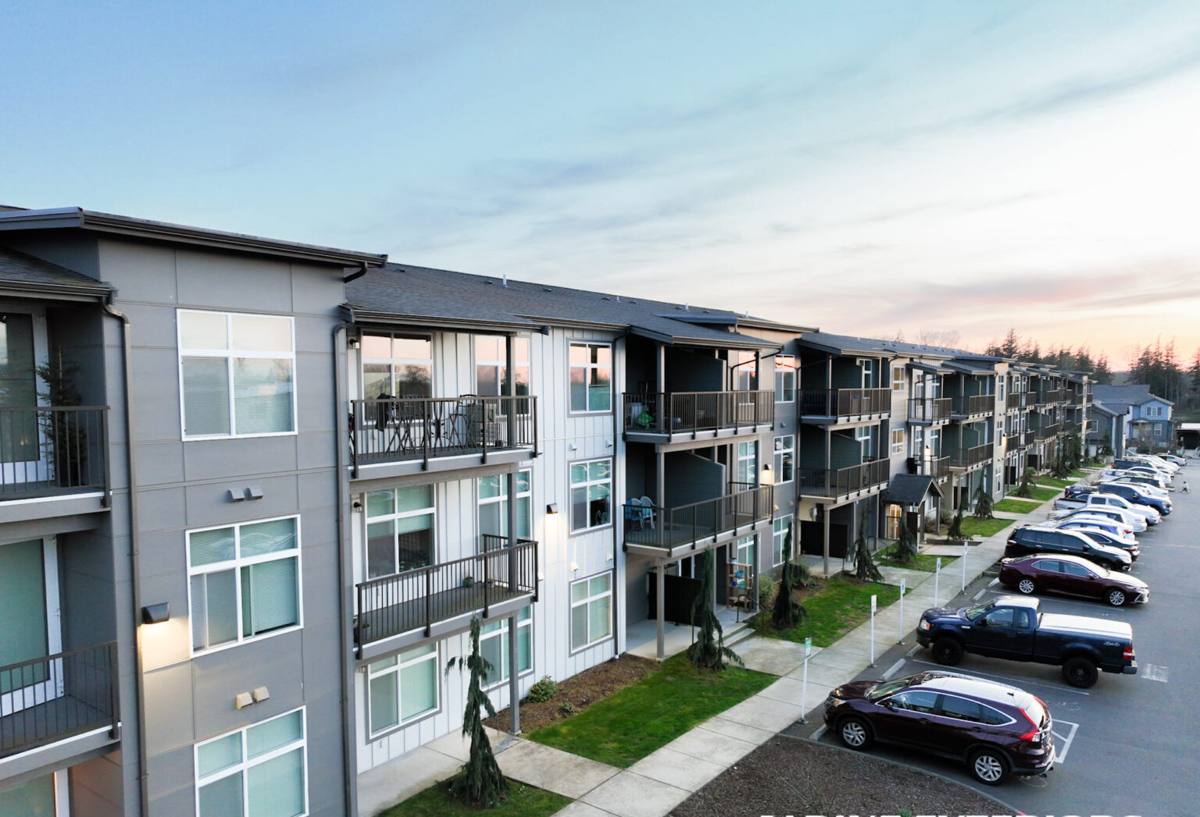
What Custom Actually Means for a Home in This Area
Every older home along the beach and the surrounding coastal neighborhoods has its own quirks — openings that have shifted slightly over decades, additions with mismatched rough framing, or original construction that predates current window sizing standards. Custom windows means we measure and build to what's actually there, not what a catalog assumes should be there.
Where custom sizing and shapes come into play
- Odd or non-standard rough openings from additions, remodels, or older original construction
- Picture windows and larger fixed units to open up water-facing rooms without stacking multiple small windows
- Arched, transom, or specialty shapes on front elevations
- Matching a mixed set of window styles across a home that's been added onto over the years
- Replacing a single failed unit without forcing the whole house into a mismatched look
None of that changes the structural and performance requirements. A custom-shaped window on a coastal home still has to meet the same wind, water, and impact standards as a standard rectangular one in the same location.
Wind, Water, and Impact Ratings: What Actually Matters
Florida's building code sets wind load and impact requirements based on location, and coastal Pinellas County properties generally fall under stricter design pressure requirements than inland areas. What that means in practical terms: the window assembly — glass, frame, and anchoring — has to be tested and rated to hold up under a specific wind pressure without the frame flexing, the glass failing, or water forcing its way past the seals.
Impact-rated glass vs. separate protection
Homeowners near the beach generally choose one of two approaches:
- Impact-rated windows — laminated glass built into the window unit itself, rated to resist wind-borne debris. No separate shutters or panels needed at the window.
- Standard glass with code-approved shutters or panels — a lower upfront window cost paired with a separate protection system that has to be deployed before a storm.
Our honest take: for full-time coastal residences and rental properties where nobody may be around to put up shutters before a fast-moving storm, impact-rated glass earns its cost back in convenience, insurance considerations, and daily peace of mind. For a low-use property with reliable shutter coverage already in place, it's a legitimate trade-off — this is a homeowner decision, not a one-size answer, and we'll walk through both honestly rather than upsell.
Frame material comparison for this climate
| Material | Salt air behavior | UV/heat behavior | Maintenance |
|---|---|---|---|
| Vinyl | Won't corrode; good baseline choice | Quality matters — cheap vinyl can warp or discolor under constant sun | Low; occasional cleaning |
| Fiberglass | Excellent corrosion resistance | Very stable dimensionally in heat | Low; higher upfront cost |
| Aluminum (uncoated/older style) | Prone to pitting and corrosion near salt air over time | Conducts heat, can feel hot to the touch | Higher; needs coating upkeep |
| Wood (unclad) | Poor; moisture and salt accelerate rot | Needs regular refinishing | High; not our recommendation this close to the water |
We steer most Clearwater Beach clients toward vinyl or fiberglass frames specifically because of how much less maintenance they demand in salt air. We'll still install what a homeowner wants for a specific look, but we say so plainly when a material is going to create extra upkeep in this environment — that's a maintenance and moisture-behavior trade-off, not a knock on any manufacturer.
Installation Details That Determine Whether a Window Actually Performs
The window unit itself is only part of the equation. Most window failures we get called out to inspect in coastal homes aren't a bad window — they're an installation that didn't account for wind-driven rain finding its way behind the frame.
What a correct installation includes
- Removing old frame and checking the rough opening framing for hidden rot or damage before anything new goes in
- Installing a proper sill pan to direct any water that gets past the exterior seal back outside instead of into the wall cavity
- Flashing tape and sealants rated for sustained UV and salt exposure, not general-purpose caulk
- Anchoring the frame per the window's tested and rated installation instructions — this is what the wind and impact rating actually depends on
- Sealing and finishing the interior and exterior trim so the whole assembly sheds water correctly
Skip the sill pan or use the wrong sealant, and even a correctly rated, expensive impact window can leak or underperform in a storm. This is where hiring the right crew matters as much as picking the right product.
Our Process for a Clearwater Beach Window Project
We keep this straightforward and don't pressure anyone into a bigger scope than the home needs.
- On-site assessment — we look at existing window condition, framing, and any signs of past water intrusion before recommending anything.
- Honest scoping — we tell you which windows genuinely need replacement now versus which can wait, and walk through material and rating options for your specific exposure.
- Precise measurement — every opening is measured individually; nothing gets ordered off assumed standard sizes.
- Ordering and lead time — custom and impact-rated units take longer to manufacture than stock sizes; we'll give you a realistic timeline up front.
- Installation — including proper flashing, sill pans, and sealing as described above, not just swapping the visible unit.
- Walkthrough and cleanup — we check operation on every window and clear the site before we consider the job done.
Why a Crew That Already Works This Area Matters
Coastal window work has a learning curve that's specific to the exposure. A crew that mostly works inland Pinellas County or does occasional beach jobs doesn't necessarily know the failure points we see repeatedly out here — where wind-driven rain tends to find gaps, how fast unprotected metal hardware corrodes, or which permitting and inspection details coastal jurisdictions actually check for wind and impact compliance.
Working Clearwater Beach regularly also means we're used to the practical realities of the area: limited parking and staging space on tighter lots, seasonal timing around peak tourist months, and coordinating around rental turnover schedules for investment properties. None of that is complicated, but it's smoother when the crew has already done it rather than figuring it out on your job.
Maintenance: What Salt Air and Sun Actually Require
Even a well-installed, correctly rated window needs some upkeep in this environment. Salt air and constant UV are relentless, and a little regular attention goes a long way toward getting the full service life out of the investment.
- Rinse frames and glass periodically to remove salt residue, especially after storms with onshore wind
- Check and lubricate hardware (locks, hinges, rollers) at least once or twice a year
- Inspect exterior caulk and sealant lines annually for cracking or separation — reseal before it becomes a leak
- Watch for chalking, discoloration, or stiffness in vinyl components, which can signal lower-grade material struggling under UV load
- Keep weep holes (the small drainage openings at the base of the frame) clear of sand, debris, and paint
Cost Factors to Expect
Every project is quoted after we see the actual openings and condition, but these are the main variables that move the number up or down:
| Factor | Effect on cost |
|---|---|
| Impact-rated glass vs. standard glass with shutters | Impact glass costs more per window, less to maintain long-term |
| Frame material (vinyl vs. fiberglass vs. others) | Fiberglass generally costs more upfront than vinyl |
| Custom shapes or oversized openings | Non-standard sizing and shapes increase manufacturing cost |
| Number of windows replaced at once | Bundling a full-house replacement typically lowers per-window labor cost |
| Condition of existing framing | Rot repair or reframing adds cost beyond the window itself |
We give straightforward written estimates and explain what's driving the price — no vague allowances that turn into surprise add-ons mid-project.
Signs It's Time to Replace Rather Than Repair
Not every window on a coastal home needs full replacement. We'll tell you honestly when repair or resealing is the more sensible move. Replacement generally makes more sense when you're seeing:
- Fogging or moisture between panes on double-glazed units — a sign the seal has failed and can't be repaired
- Frames that are visibly warped, soft, or show corrosion at the corners and hardware
- Windows that won't lock or seal tightly, letting in drafts or water during wind-driven rain
- Difficulty operating the sash smoothly, which often points to frame or track deterioration
- Windows that predate current wind and impact standards for the area
If you're weighing options for windows on a Clearwater Beach property, we're happy to take a look and give you a straight, no-pressure estimate — what needs attention now, what can wait, and what it'll actually cost. The form below is the easiest way to get that conversation started.