 Clearwater Siding
 Asphalt Shingle Roofing Built for Coachman Ridge
Coachman Ridge sits inland enough from the Gulf to avoid the worst of the direct salt spray that coastal Clearwater neighborhoods deal with, but it still takes a beating from everything else Pinellas County throws at a roof: long summers of intense UV, sudden wind-driven downpours, and the occasional direct hit or near-miss from a tropical system. A roof here has to hold up to all of that at once, year after year, not just survive one bad storm. Asphalt shingle roofing remains the most practical option for the mix of ranch-style homes, mid-century houses, and newer infill construction found throughout the area — it's cost-effective, repairable, and when installed correctly, it's rated to handle the wind speeds Pinellas County actually sees.
We work on roofs throughout this part of Clearwater regularly, which matters more than it might sound like. A crew that already knows the local permitting office, the typical roof decking condition on homes of a certain age, and the wind-uplift requirements written into the Pinellas County building code isn't guessing its way through your project — it's applying what already works here.
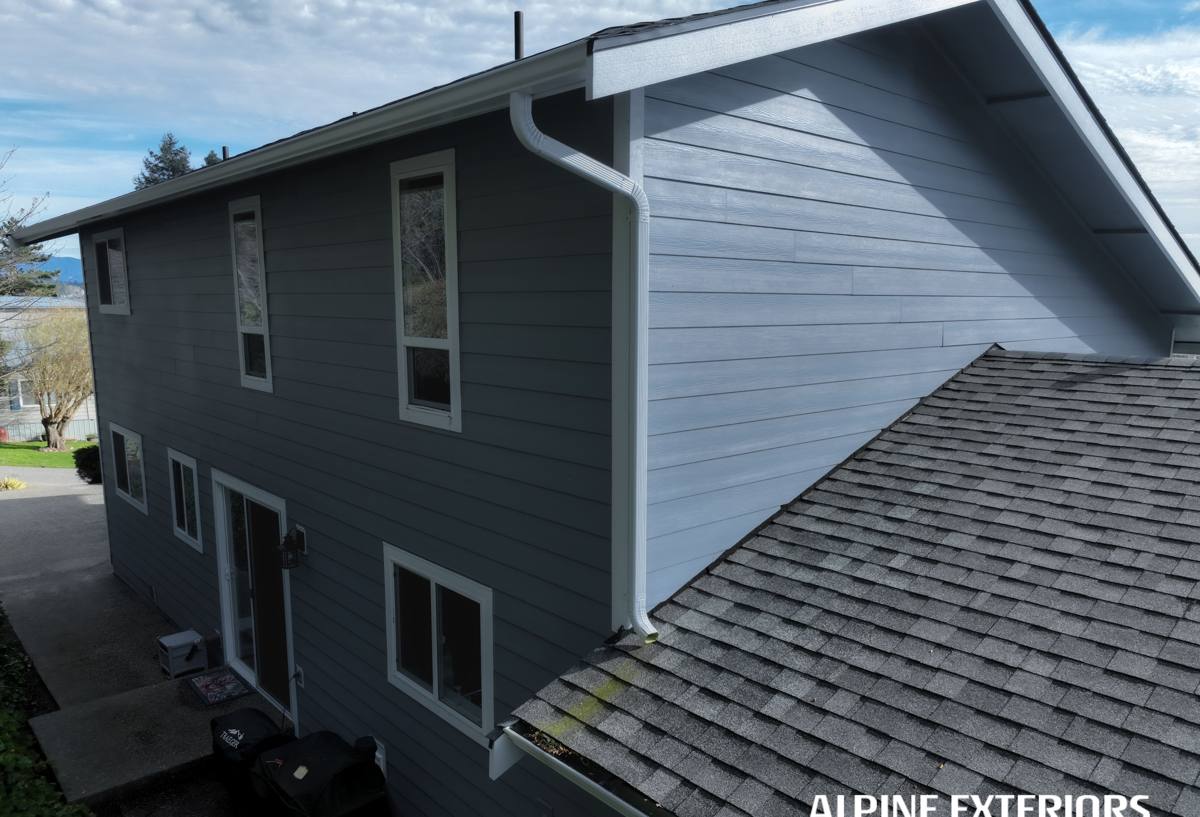
What Coachman Ridge Homes Need From a Shingle Roof
Not every asphalt shingle roof sold in this country is built for a Florida roof deck. The products and installation details that matter here are different from what a contractor in a drier, milder climate would default to.
Wind Resistance That Matches the Building Code
Florida's building code requires roofing materials and installation methods rated for the wind speeds mapped for this part of the state. That's not a marketing spec — it's a legal minimum, and it drives real decisions: nail pattern and count, starter strip method, and whether the shingle itself carries a high-wind rating. A roof installed to the letter of that code holds together in gusts that will peel back a roof installed to a lower standard.
UV Stability
Central Florida sun is intense and constant. Cheaper shingles lose their granules and get brittle years before their rated lifespan runs out once UV exposure adds up. The asphalt mat and granule coating matter more here than in most parts of the country.
Moisture Management
Afternoon storms in this area tend to be sudden and heavy rather than gentle and steady. That means underlayment, flashing, and ventilation all need to move water off the roof fast and keep it from finding a way into the decking — especially around valleys, penetrations, and the edges where wind-driven rain gets pushed sideways under poorly sealed shingles.
Signs a Coachman Ridge Roof Needs Attention
Because most of the damage out here builds up gradually — sun exposure, small storm events, age — homeowners often don't notice a problem until it shows up as a leak inside the house. A few things worth checking or asking us about:
- Granules collecting in gutters or at the base of downspouts
- Shingles that look cupped, curled at the edges, or cracked
- Bald or shiny patches where granule coverage has worn thin
- Soft spots or discoloration on ceilings, especially after heavy rain
- Visible lifted or missing shingles after a windy afternoon
- Daylight visible through the attic decking
- A roof that's 15+ years old and has never had a full inspection
None of these automatically mean a full replacement is needed. Sometimes it's a repair; sometimes it's ventilation work. That's worth an honest, in-person look rather than a guess from a list.
Our Installation Process
The steps below are the same ones we'd walk a Coachman Ridge homeowner through in person, in the order we actually do them.
1. Roof and Deck Inspection
Before we talk shingle brands or colors, we check what's underneath. Soft or rotted decking has to be addressed before new shingles go down — installing over a bad deck just hides the problem and shortens the life of the new roof.
2. Tear-Off and Deck Prep
Old shingles and underlayment come off completely. We don't install a new layer over an old one — layering traps heat, hides deck damage, and isn't consistent with a wind-rated installation. Any damaged sheathing gets replaced and re-nailed to current code before anything else goes on.
3. Underlayment and Flashing
A synthetic or self-adhering underlayment goes down first as the roof's actual waterproof layer — the shingles above it are the weather shell, but the underlayment and flashing are what actually keep water out at valleys, chimneys, skylights, and wall intersections. This is where a lot of leaks that show up years later actually originate, so we don't rush it.
4. Shingle Installation to Wind-Rated Specifications
Shingles go down with the nail count, placement, and starter strip method required for the wind rating we're building to — not the minimum a box of shingles technically allows. Hand-sealing or extra fastening at eaves, rakes, and ridge lines is standard on our jobs in this area, not an upcharge.
5. Ventilation Check
Attic ventilation affects how long a shingle roof lasts, especially under constant Florida heat. We check intake and exhaust airflow as part of the job, because a hot, poorly ventilated attic will shorten the life of even a well-installed roof from underneath.
6. Final Walkthrough and Cleanup
We inspect the finished roof, walk the property for stray nails and debris with a magnetic sweep, and go over warranty paperwork before we consider the job done.
Comparing Shingle Options for This Climate
Not every shingle tier makes sense for every roof or budget. Here's how the common options stack up for a Coachman Ridge home specifically.
| Shingle Type | Wind Rating Potential | Typical Lifespan Here | Best Fit |
|---|---|---|---|
| 3-Tab (standard) | Lower, code-minimum in most cases | 12–18 years under Florida sun | Budget-driven projects, rental properties |
| Architectural / Dimensional | Higher, most brands offer high-wind lines | 20–25+ years with proper install | Most owner-occupied homes; best balance of cost and durability |
| Impact-Rated Architectural | Highest, often paired with insurance discounts | 25–30 years | Homes prioritizing insurance premium reduction and storm resilience |
Lifespan figures assume proper ventilation, correct installation, and no major storm damage in between — sun exposure alone is the main aging factor for most roofs in this area, storms aside.
Cost Factors Worth Understanding Before You Get Quotes
| Factor | Why It Moves the Price |
|---|---|
| Roof size and pitch | Steeper roofs take longer and require more safety equipment |
| Deck condition | Rotted plywood adds material and labor not visible from the ground |
| Number of layers to remove | Tear-off of multiple old layers takes more labor and disposal cost |
| Shingle tier chosen | 3-tab, architectural, and impact-rated products all price differently |
| Roof complexity | Valleys, dormers, skylights, and chimneys all add flashing work |
| Ventilation upgrades | Adding or correcting intake/exhaust vents is sometimes needed mid-job |
Any honest quote for a Coachman Ridge roof should account for these rather than quoting a flat price per square before ever seeing the roof.
Insurance and Permitting Notes for This Area
Pinellas County requires a permit for roof replacement, and inspections are part of the process — a legitimate local contractor pulls that permit and schedules those inspections as a normal part of the job, not an optional add-on. On the insurance side, many carriers offer premium credits for wind-mitigation features like properly rated shingles, secondary water barriers, and correctly installed roof-to-wall connections. We document what we install so that paperwork is available if you want to pursue those credits with your insurer — we're not an insurance company and don't make guarantees about what a carrier will approve, but the documentation should exist either way.
Repair vs. Full Replacement
Not every damaged roof needs to come off entirely. A localized wind or debris issue, a failed flashing detail, or a small area of storm damage is often a legitimate repair. Full replacement makes more sense when the shingles are broadly past their useful life, the decking has widespread issues, or repeated repairs are starting to add up to more than a new roof would cost. We'll tell you honestly which category your roof falls into rather than defaulting to the larger job.
Why Local Experience in Coachman Ridge Matters
A roofing crew that regularly works this specific part of Clearwater has already dealt with the permitting process at the county level, has a working sense of typical deck conditions on homes built in different eras around the neighborhood, and understands what "wind-rated installation" actually needs to look like under Pinellas County code — not just what a shingle package says on the label. That local familiarity translates into fewer surprises mid-project and a roof that's built for the conditions it will actually face, not a generic national spec.
If you're weighing a repair, planning ahead for an aging roof, or just want a straight answer on what condition your roof is really in, we're happy to take a look. Reach out for a free, no-pressure estimate using the form below.