 Clearwater Siding
 Metal Roofing in Coachman Ridge: What This Neighborhood Actually Needs
Coachman Ridge sits in one of Clearwater's older established residential pockets, with a mix of ranch-style homes and mid-century construction that has weathered decades of Gulf Coast summers. If you're looking into metal roofing for a home in this area, you're likely dealing with one of two situations: an aging shingle roof that's reached the point where another re-roof with the same material doesn't make sense, or a homeowner who's simply tired of replacing shingles every 12-15 years and wants a roof that will outlast the mortgage. Either way, metal is a legitimate answer — but only when it's specified and installed correctly for this exact climate.
Pinellas County sits in one of the most demanding roofing environments in the continental United States. Homes here deal with sustained hurricane-force wind events, UV exposure that runs nearly year-round instead of seasonal, wind-driven rain that gets pushed sideways into roof edges and penetrations, and a steady drift of salt air off the Gulf and Tampa Bay that accelerates corrosion on anything not properly coated or fastened. A metal roof that's engineered for a drier, calmer climate somewhere else in the country is not automatically the right product here. The panel gauge, fastening pattern, underlayment, and metal coating all need to be chosen with Clearwater's conditions in mind, not just national averages.
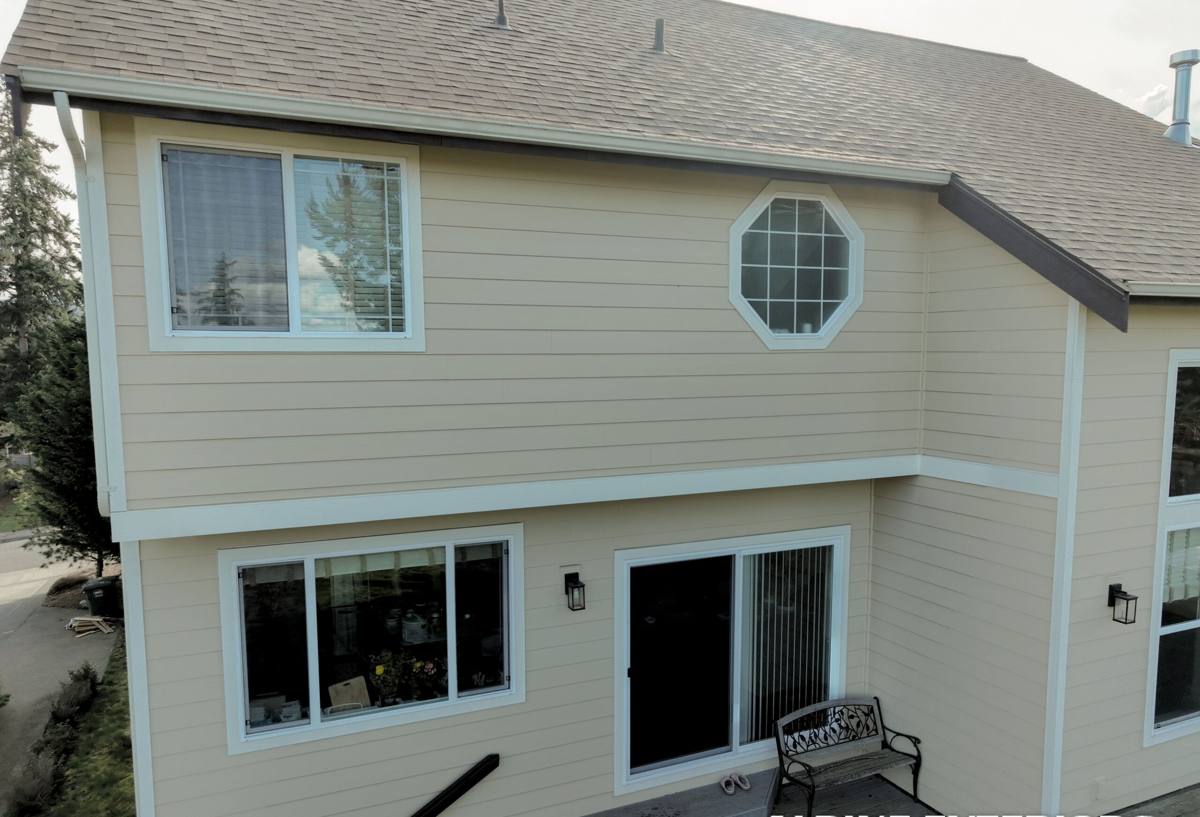
Why Metal Makes Sense for Coachman Ridge Specifically
Every roofing material has trade-offs, and we'd rather explain metal's advantages honestly than oversell it. For this neighborhood, the case for metal comes down to a few practical points:
- Wind performance: Properly installed standing seam metal roofing has a strong track record in wind-load testing and is generally rated for higher sustained wind speeds than standard asphalt shingles — relevant given Pinellas County's exposure to tropical systems.
- UV and heat resilience: Metal reflects a significant amount of solar radiant heat rather than absorbing it, which can ease the load on attic temperatures and cooling costs during Florida's long, hot season.
- Lifespan versus shingles: A correctly installed metal roof commonly lasts 40-plus years, compared to a typical asphalt shingle roof in this climate, which often needs replacement well before that mark due to UV breakdown and granule loss.
- Lower long-term maintenance: Metal doesn't lose granules, curl at the edges, or grow moss the way aging shingles can in Florida's humidity.
None of that means metal is the automatic right choice for every home or every budget in Coachman Ridge — it's a bigger upfront investment than shingles, and we'll say that plainly during an estimate. But for homeowners planning to stay long-term, or dealing with a roof that's failed early because of storm damage or heat cycling, it's worth serious consideration.
What a Correct Metal Roof Installation Involves Here
Deck Inspection and Prep
Before any panel goes down, the roof deck needs to be inspected for soft spots, water staining, or rot — common in older Coachman Ridge homes where a prior roof may have had slow leaks that went unnoticed for years. Skipping this step and installing over a compromised deck is one of the most common corner-cutting mistakes in this trade, and it sets the new roof up to fail from underneath.
Underlayment Choice
Given how much wind-driven rain this area sees during storm season, we don't treat underlayment as an afterthought. A high-temperature synthetic or self-adhered underlayment at eaves, valleys, and penetrations gives the roof a second line of defense if wind ever drives water up under a seam.
Fastening and Panel Spacing
This is where wind-rating claims are either earned or lost. Fastener spacing, clip type (for standing seam), and panel overlap all have to match the wind-load requirements for this part of Pinellas County — not a generic national spec. A metal roof that looks correct but was fastened to a lighter-duty pattern will underperform exactly when it matters most, during a wind event.
Flashing at Penetrations and Edges
Chimneys, vents, skylights, and roof-to-wall transitions are the most common failure points on any roof, metal included. Custom-fabricated flashing that's properly integrated with the underlayment — not just caulked over — is non-negotiable for a roof that's supposed to last decades in this climate.
Coating and Fastener Metallurgy
Salt air corrodes mismatched or low-grade metals faster than most homeowners expect. We match fastener and flashing metal to the panel metal to avoid galvanic corrosion, and we specify coatings rated for coastal exposure rather than a generic finish that's fine inland but degrades faster here.
Comparing Roofing Options for Coachman Ridge Homes
| Factor | Standing Seam Metal | Architectural Asphalt Shingle |
|---|---|---|
| Typical lifespan in this climate | 40-60+ years | 15-20 years |
| Wind performance (properly installed) | Higher rated wind resistance | Moderate, rating varies by product |
| Upfront cost | Higher | Lower |
| Long-term maintenance | Minimal — periodic inspection | Moderate — granule loss, algae, curling over time |
| Heat reflectivity | Higher, can ease cooling load | Lower, absorbs more solar heat |
| Salt-air corrosion risk | Low, if metal/fastener/coating matched correctly | Low, but granule and adhesive breakdown accelerates near coast |
This isn't a case of one material being universally "better" — it's about matching the roof to how long you plan to own the home, your budget tolerance for upfront cost versus long-term savings, and how much you value a lower-maintenance roof.
Our Process for a Coachman Ridge Metal Roof Project
- On-site inspection and measurement. We walk the roof, check deck condition from the attic side where accessible, and document existing flashing, penetrations, and any storm damage.
- Honest scope and material recommendation. We'll tell you if metal is the right call for your specific roof and budget — and if a repair or a different material makes more sense, we'll say that instead of pushing the bigger job.
- Permit and wind-load documentation. Pinellas County re-roofing permits require documentation that the installation meets current wind-load code — we handle this as part of the job, not as an extra.
- Deck repair before panel installation. Any soft or damaged decking gets replaced before underlayment goes down, never covered up.
- Underlayment, flashing, and panel installation to the spec discussed above, with attention to every penetration and transition point.
- Final walkthrough. We go over the finished roof with you, including care and inspection guidance specific to metal roofing in a coastal climate.
Why a Crew That Already Works Coachman Ridge Matters
Roofing crews that mostly work inland, drier climates sometimes bring installation habits that don't hold up here — lighter fastening patterns, underlayment choices that are fine for occasional rain but not for wind-driven storms, or flashing details that skip steps because "it's never been a problem" somewhere else. A crew that regularly works in and around Clearwater and greater Pinellas County has already seen how roofs in this exact climate age, fail, and hold up over time. That experience shows up in the details — the flashing choices, the fastener spacing, the underlayment upgrades — that don't show up on a spec sheet but make the difference during the next major wind event.
There's also a practical service benefit: a local crew can respond faster for storm-prep questions, post-storm inspections, or warranty follow-up, without the delay of dispatching someone from out of the area.
What to Ask Before Hiring for a Metal Roof in This Area
- What wind-load rating is the proposed fastening and panel system actually certified for?
- What underlayment is being used at eaves, valleys, and penetrations — and is it upgraded beyond the code minimum?
- Are fasteners and flashing metal matched to the panel metal to avoid galvanic corrosion in salt air?
- Is the deck being inspected and repaired before installation, not just covered over?
- What's the manufacturer's warranty structure, and what voids it?
- Is the permit and wind-load documentation handled as part of the contract?
Cost Factors Worth Understanding Upfront
Metal roofing costs more than shingles per square foot installed, and the exact number depends on several variables we'll walk through during an in-person estimate rather than quoting a number that doesn't apply to your roof:
- Roof complexity — number of valleys, penetrations, and roof planes
- Panel profile and metal gauge selected
- Extent of deck repair needed once the old roofing is removed
- Tear-off and disposal of the existing roofing material
- Flashing and trim detail work at chimneys, walls, and skylights
We'd rather walk your roof and give you real numbers than throw out a broad range that doesn't mean much until we've seen the deck condition and roof layout in person.
Get a Straight Answer for Your Coachman Ridge Roof
If you're weighing metal roofing for a home in Coachman Ridge or elsewhere in Clearwater, we're glad to come take a look, answer questions honestly, and give you a clear picture of what your roof actually needs — no pressure, no inflated scope. Use the form below to request a free estimate.