 Clearwater Siding
 Decking Built for What Dunedin Actually Deals With
Dunedin sits right up against the water, and that location cuts both ways. It's a big part of why people love living here, and it's exactly why a deck built with the wrong materials or the wrong installation details doesn't last. Between Gulf-facing storms, near-constant humidity, and sun that doesn't let up for most of the year, an outdoor deck in this part of Pinellas County works harder than the same structure would almost anywhere inland. We install composite decking specifically with that reality in mind, not as a generic add-on to a siding or roofing job.
This page covers what composite decking work in Dunedin actually involves: what the climate does to decks over time, what separates a correct installation from a mediocre one, how we run the job, and what it costs to do it right.
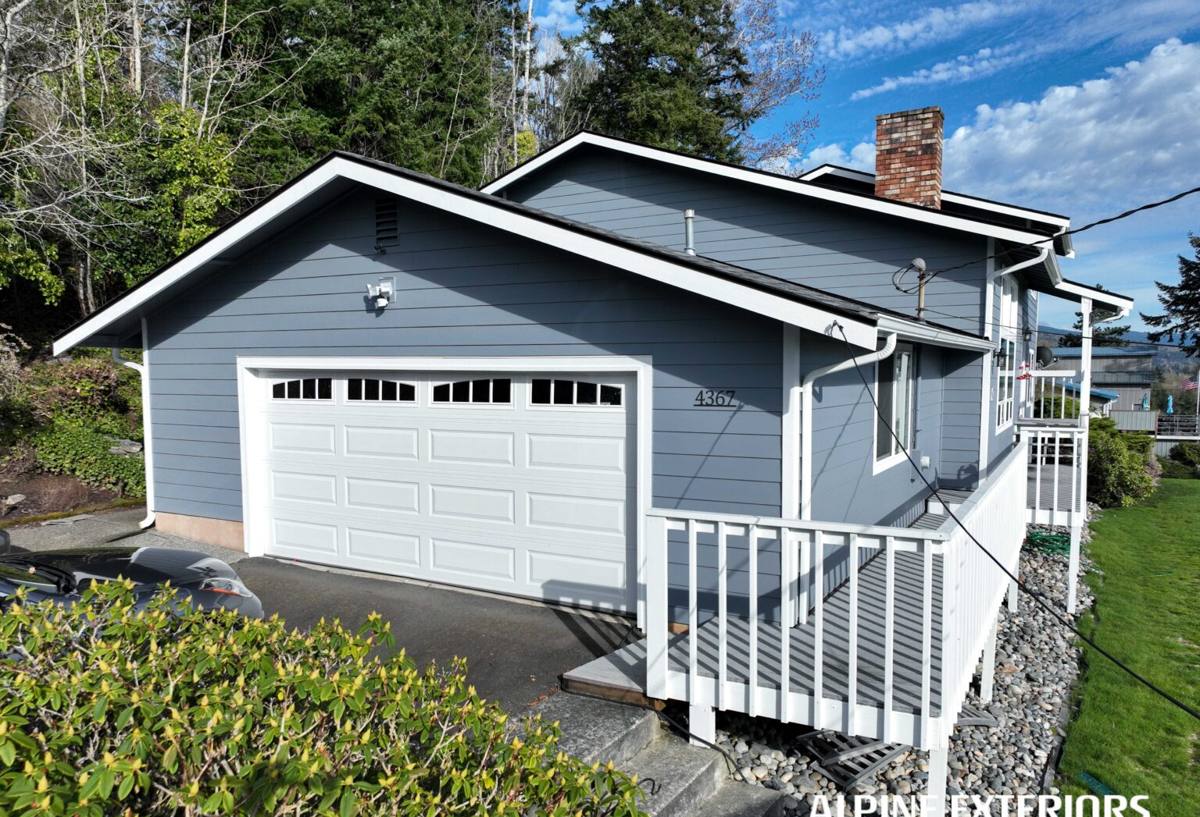
What This Climate Does to a Deck Over Time
UV Exposure
Dunedin gets strong, direct sun for most of the year, and it's relentless on anything installed outdoors. Untreated or lower-grade wood decking grays, cracks, and splinters under UV exposure faster than most homeowners expect. Composite boards with a capped, UV-stabilized outer layer resist that fading and surface breakdown far better, but not all composite products are built the same — cap quality and pigment stability vary by manufacturer, and it shows up in year three or four, not year one.
Wind-Driven Rain and Humidity
Storms here don't just drop rain straight down — wind pushes it sideways, into board seams, fastener holes, and anywhere framing meets the house. Add Pinellas County's year-round humidity, and any decking system that traps moisture against wood framing or between boards is setting up rot and mold conditions, even if the surface material itself doesn't absorb water.
Salt Air
Being close to the Gulf and the Intracoastal means salt-laden air is a constant, not an occasional event. Salt accelerates corrosion on exposed metal fasteners, hardware, and railings, and it can degrade lower-quality composite formulations over time. This is one of the biggest differences between a deck built for Dunedin and one built for a landlocked climate — the hardware and fastener choices matter as much as the decking boards themselves.
Hurricane-Force Wind
Pinellas County sees real storm risk, and a deck attached to your home is a structural connection, not just a surface. Ledger board attachment, post anchoring, and railing connections all need to be built to handle uplift and lateral load, not just support foot traffic on a calm day. This is where a lot of decks — composite or wood — fail first, because the framing and attachment details get less attention than the visible boards.
Composite vs. Other Decking Materials for This Climate
There's no single "best" decking material for every homeowner, but here's how the common options actually perform under Dunedin's specific conditions:
| Material | UV / Fading | Moisture & Salt Air | Maintenance |
|---|---|---|---|
| Pressure-treated wood | Grays and checks within a few seasons | Prone to rot and fastener corrosion without diligent upkeep | Annual sealing/staining required |
| Tropical hardwood | Fades without regular oiling | More rot-resistant than pine, but still absorbs moisture | Periodic oiling; hardware still corrodes |
| Uncapped composite | Can fade and stain over time | Better than wood, but surface can absorb some moisture | Low, but not stain-proof |
| Capped composite | UV-stabilized cap resists fading | Sealed surface resists moisture and staining well | Occasional cleaning only |
We install capped composite decking as our standard for this area because it holds up best against the specific combination of sun, salt, and moisture that Dunedin homes face. Where a homeowner has a strong reason to want something else, we'll walk through the honest trade-offs rather than push one product over another.
What a Correct Composite Deck Installation Involves
Framing and Substructure
The boards get the attention, but the framing underneath determines whether the deck lasts. That means properly sized and spaced joists, ledger board flashing that actually sheds water away from your home's wall assembly, and hardware rated for outdoor and coastal exposure — not standard interior-grade fasteners that will corrode within a few seasons of salt air exposure.
Fastener and Hardware Choices
Stainless steel or coated fasteners rated for coastal/marine environments cost more up front than standard hardware, but in Pinellas County that difference shows up as the gap between hardware that lasts and hardware that streaks, rusts, or fails early. We don't cut corners here, because it's the single most common point of failure we see on decks built without local conditions in mind.
Ventilation and Drainage
Composite decking still needs airflow underneath it. Boards installed too tight to the substructure, or over ground that doesn't drain, trap moisture and heat — which shortens the life of the framing even if the visible boards hold up fine. Correct spacing and drainage planning underneath the deck matters as much as what's on top.
Board Installation Details
Proper gapping for thermal expansion, hidden fastener systems where appropriate, and picture-frame or border detailing done correctly all affect both appearance and long-term performance. Composite boards expand and contract with heat, and installers who don't account for that end up with boards that buckle or gap unevenly within a year or two.
Our Process, Start to Finish
- On-site assessment. We look at your existing deck or the space where a new one will go, check structural attachment points, drainage, and sun/wind exposure specific to your property.
- Material and layout discussion. We walk through composite board options, color/finish choices, and railing systems, with honest input on what performs best for your specific site conditions.
- Written estimate. Clear scope, materials, and cost — no vague allowances that turn into surprise add-ons mid-project.
- Permitting. Deck work in Pinellas County typically requires permitting and inspection, especially for structural attachment to the home. We handle that process rather than leaving it on the homeowner.
- Demo and framing (if applicable). Removal of the old deck if needed, then framing built to current wind load and attachment standards.
- Board and railing installation. Composite decking installed with proper spacing, fastening, and detailing, plus railing systems rated for the coastal environment.
- Final walkthrough. We go over the finished deck with you, confirm everything meets the agreed scope, and answer any maintenance questions before we consider the job done.
Maintenance Composite Decking Actually Needs Here
One of the honest selling points of quality capped composite is how little upkeep it needs compared to wood — but "low maintenance" isn't "no maintenance," especially in a salt-air environment.
- Rinse or sweep off salt residue and organic debris (leaves, pollen) periodically, especially after storms
- Clean with mild soap and water a few times a year to prevent mildew buildup in shaded or low-airflow areas
- Check railing hardware and fasteners annually for corrosion, especially closer to the water
- Keep gutters and downspouts near the deck clear so runoff doesn't pool against the structure
- Inspect ledger board flashing and attachment points after major storms
None of this compares to the sanding, staining, and sealing a wood deck needs in this climate, but skipping basic upkeep still shortens the life of any decking material.
What Drives the Cost of a Dunedin Composite Deck
| Factor | Why It Matters Here |
|---|---|
| Deck size and layout complexity | Multi-level decks, curves, and picture-framing add material and labor |
| Composite product tier | Cap quality and warranty coverage vary significantly between manufacturer lines |
| Framing condition and code updates | Older attachment methods often need to be rebuilt to current wind-load standards |
| Hardware and fastener grade | Coastal-rated fasteners cost more but are non-negotiable this close to the Gulf |
| Railing system | Composite, aluminum, and cable railing options carry different price points and corrosion resistance |
| Permitting requirements | Structural work tied to the home typically requires permits and inspection |
Composite decking generally runs a wider range than pressure-treated wood on the front end, but the gap narrows quickly once you factor in the sealing, staining, and repair a wood deck needs to survive Pinellas County weather over the same number of years.
Why It Matters to Hire a Crew That Already Works in Dunedin
A lot of decking problems we get called to fix didn't start as bad workmanship — they started as decisions that made sense somewhere else but weren't right for this coast. Standard interior-grade fasteners, framing details built for a drier or calmer climate, or drainage planning that didn't account for wind-driven rain all cause real problems here specifically. A crew that's already done this work in Dunedin and the surrounding Clearwater area knows which details actually matter locally, rather than applying a generic build spec and hoping it holds up against Gulf Coast conditions.
That local experience also means faster, more accurate estimates, because we're not guessing at how your property's exposure, soil, and sun/wind orientation will affect the build — we've seen the same conditions on decks nearby.
Questions to Ask Before Hiring a Decking Contractor
- What fastener and hardware grade do they use for coastal exposure?
- Do they pull permits and schedule required inspections themselves?
- What composite product lines do they install, and what warranty comes with the boards versus the labor?
- How do they handle ledger board flashing and moisture protection at the house attachment point?
- Can they explain how the framing is built to handle local wind load, not just aesthetics?
If a contractor can't answer these clearly, that's worth noticing before you sign anything.
If you're considering a new composite deck or need to replace one that hasn't held up to Dunedin's weather, we're glad to take a look and walk you through your options. Fill out the form below for a free, no-pressure estimate.