 Clearwater Siding
 Siding Installation in Countryside: What Clearwater Homes Actually Need
Countryside is one of the larger established residential areas on Clearwater's inland side, with housing stock that spans several decades of Florida construction styles. A lot of what we see on siding calls in this part of Pinellas County isn't cosmetic — it's substrate failure, trapped moisture, or fastening that was never rated for the wind loads this area actually sees. Siding installation here isn't just picking a color and nailing up new panels. It's a system-level decision about what's going to hold up on this specific house, in this specific climate, for the next several decades.
This page is about one job: installing new siding correctly on a Countryside home. Not a general overview of siding types, not a sales pitch — just what local homes need, what a correct installation actually involves, and how we handle it.
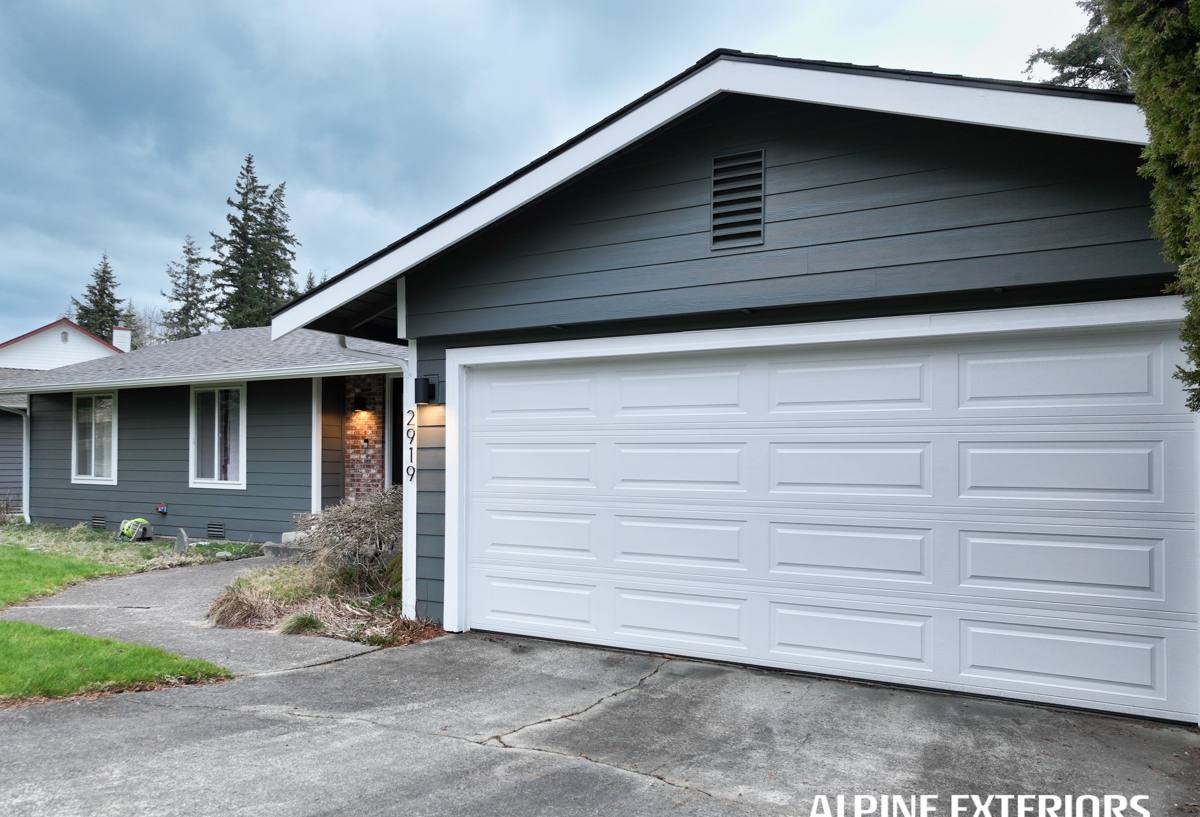
What Clearwater's Climate Does to Siding Over Time
Pinellas County sits in a climate that punishes exterior building materials from several directions at once, and Countryside homes are not exempt just because they're a few miles inland from the beach.
Hurricane-Force Wind Exposure
Every siding installation in this area has to be treated as a wind-load installation, not a cosmetic one. Panels that are face-nailed instead of properly blind-nailed, fastener schedules that are spaced too wide, or starter strips that were rushed — all of it becomes a liability the first time a tropical system pushes sustained wind and gusts through the neighborhood. Siding that looks fine in still air can peel off a wall in a storm if the install work underneath it was cut short.
Intense, Year-Round UV
Florida sun isn't seasonal the way it is in most of the country — it's a twelve-month load on anything mounted to the exterior of a house. Paint film breaks down, caulk goes brittle and cracks, and lower-grade siding materials can warp, chalk, or fade unevenly depending on which side of the house gets the most sun. A siding system needs a finish that's engineered for UV exposure, not just painted after the fact.
Wind-Driven Rain and Moisture
Clearwater gets hard, sideways rain during summer storm season, and wind-driven water finds every gap in flashing, every under-caulked seam, and every place where siding wasn't held off the wall correctly. Once water gets behind siding and can't dry out, you're not dealing with a surface problem anymore — you're dealing with sheathing rot and possible mold, hidden behind a wall that still looks fine from the street.
Salt Air
Countryside is inland compared to Clearwater Beach or the Intracoastal, but salt-laden air still moves across this part of the county, especially with onshore wind patterns. Salt exposure accelerates corrosion on fasteners and trim hardware and adds another layer of stress to any siding material that isn't built to handle a coastal-influenced climate.
Why So Many Countryside Homes Are Due for a Siding Upgrade
A large share of the homes in this part of Clearwater were built or last re-sided years before today's product and installation standards were common. That means we regularly run into a few recurring situations on siding calls in the neighborhood:
- Original wood or hardboard siding that has taken decades of UV and moisture cycling and is now soft, delaminating, or holding paint poorly
- Older vinyl siding that has warped, faded unevenly, or cracked in the Florida heat and is now more patchwork than protection
- Siding installed without a proper drainage plane or with insufficient fastening for current wind expectations
- Trim, corners, and butt joints that were caulked instead of properly flashed, now failing and letting water in
None of these are unusual for a house of a certain age in this climate — they're just signs that a full, correct re-installation is worth more than another round of patch repairs.
What a Correct Siding Installation Actually Involves
The finished siding is the part everyone sees, but the work that determines whether it lasts is mostly underneath it. A correct installation includes:
Substrate Inspection and Repair
Before anything new goes up, the sheathing underneath the old siding has to be inspected for rot, soft spots, or prior water damage. Installing new siding over compromised sheathing just hides a problem that will keep getting worse.
Weather-Resistive Barrier
A continuous, properly lapped moisture barrier goes over the sheathing before any siding is hung. This is the layer that manages the water that inevitably gets past the outer siding during wind-driven rain — it needs to be installed correctly, not just present.
Flashing at Every Penetration
Windows, doors, hose bibs, vents, and any other wall penetration need proper flashing detail, not just a bead of caulk. Caulk fails; correctly lapped flashing sheds water by design and keeps working long after caulk has dried out and cracked.
Manufacturer-Spec Fastening
Fastener type, length, and spacing all need to match the manufacturer's requirements for this wind zone — not a generic pattern. This is the single biggest factor in whether siding stays on the wall during a storm.
Proper Clearances and Joints
Siding needs the correct clearance from rooflines, decks, and grade, and butt joints need to be staggered and detailed to shed water rather than trap it. Small details like these are exactly what separates a durable installation from one that fails early.
Our Installation Process for Countryside Homeowners
- On-site evaluation. We walk the exterior, check the current siding and substrate condition, and note anything specific to your home's exposure and layout.
- Scope and estimate. You get a clear, written estimate covering tear-off, any substrate repair, materials, and installation — no vague allowances.
- Tear-off and substrate check. Old siding comes off and the sheathing underneath gets a real inspection before anything new goes on.
- Weather barrier and flashing. The moisture management layer goes in first, correctly lapped and flashed at every penetration.
- Siding installation. Panels are fastened to manufacturer spec for this wind zone, with attention to joints, corners, and trim details.
- Final walkthrough. We go over the finished work with you before calling the job complete.
Siding Options: How They Hold Up in This Climate
We install James Hardie fiber cement exclusively, but it's worth understanding why, in plain terms, when you're comparing it to what else is out there.
| Factor | Vinyl Siding | Wood / Engineered Wood | James Hardie Fiber Cement |
|---|---|---|---|
| Hurricane wind rating | Varies widely by product grade | Depends on fastening; prone to failure at joints | Engineered and tested for high wind zones |
| UV / heat performance | Can warp or fade in intense sun | Paint film breaks down faster in constant UV | ColorPlus factory finish resists fading |
| Moisture behavior | Doesn't rot but traps moisture behind panels | Absorbs moisture; prone to rot without perfect upkeep | Non-combustible, engineered to resist moisture damage |
| Salt air resistance | Generally stable but hardware can corrode | Vulnerable without diligent maintenance | Formulated for coastal and near-coastal climates |
| Typical repaint/refinish interval | N/A (color molded in, but fades) | Every few years | Long-interval factory finish, warrantied |
This table isn't meant to trash other products — vinyl and wood both have legitimate uses and plenty of homes carry them fine with regular upkeep. It's meant to explain, honestly, why we made fiber cement our standard for homes in a climate like this one.
Why We Install Only James Hardie
We don't install vinyl, LP SmartSide, Cemplank, Allura, or primed wood siding — not because those products can't work anywhere, but because we've standardized on one system we can stand behind on every job, in this specific climate. James Hardie fiber cement is non-combustible, engineered in climate-specific HZ formulations, finished with a factory-applied ColorPlus system that's built to hold color under sustained UV rather than fade unevenly like field-painted materials can, and backed by a strong transferable warranty. That consistency lets us install to one high standard every time instead of learning the quirks of a different product on every job.
What to Ask Before Hiring a Siding Crew in Countryside
Whoever you hire, ask these questions before signing anything:
- Will you inspect and repair the sheathing before installing new siding, or just cover what's there?
- What weather-resistive barrier are you using, and how is it lapped and flashed at penetrations?
- What's your fastening schedule, and is it rated for this wind zone?
- Are you pulling the required Pinellas County / City of Clearwater permit for this scope of work?
- What does the manufacturer's warranty actually cover if it's not installed by a certified crew?
Why a Crew That Already Works Countryside Matters
A crew that regularly works this neighborhood already knows the general housing stock, the permitting process through Pinellas County and the City of Clearwater, and what this climate does to a wall system over time. That's not a small thing — it means fewer surprises once tear-off starts, a realistic timeline instead of guesswork, and an installation approach that's already accounting for this area's wind exposure, UV load, and moisture patterns instead of treating your home like a generic job.
If your siding is showing its age or you're planning ahead for a replacement, we're happy to take a look and give you a straightforward, no-pressure estimate — just fill out the form below to get started.