 Clearwater Siding
 Siding Replacement in Countryside: What Local Homes Actually Need
Countryside is one of Clearwater's larger established residential areas, and a lot of the housing stock here dates back several decades. That matters when you're talking about siding, because older exteriors weren't necessarily built with the products or techniques we'd choose today. If your home still has its original siding, or a replacement job from years ago that's starting to show its age, you're not just picking a color and a material — you're deciding what's going to stand between your house and Florida weather for the next 30-plus years.
This page is specifically about siding replacement for homes in Countryside. Not a generic overview of siding in general — what actually holds up here, what a correct installation looks like, and why the crew you hire matters as much as the product itself.
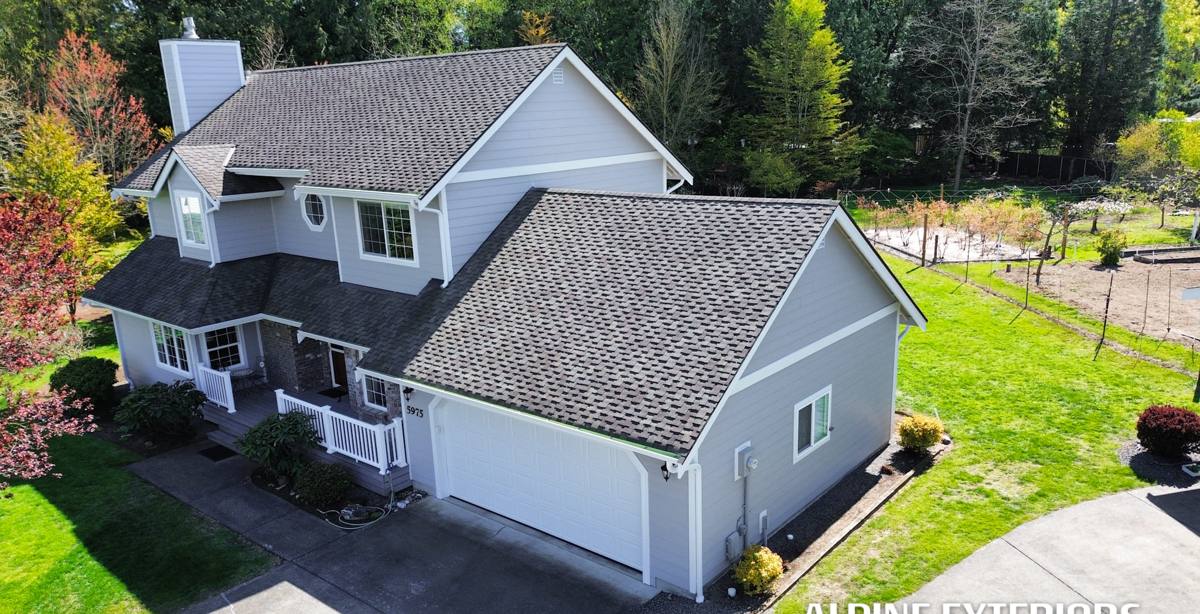
What Pinellas County Climate Does to Siding Over Time
Clearwater sits close enough to the Gulf that salt air is a constant factor, even a few miles inland in a neighborhood like Countryside. Combine that with intense year-round UV exposure, wind-driven rain during summer storm season, and the occasional hurricane-force wind event, and you've got a climate that's genuinely hard on exterior building materials.
The four things working against your siding
- UV exposure: Florida sun breaks down paint finishes and some composite materials faster than in most of the country, leading to fading, chalking, and premature cracking.
- Wind-driven rain: Storms here don't just fall straight down — rain gets pushed sideways into seams, laps, and fastener points, which is where most water intrusion problems start.
- Salt air: Airborne salt accelerates corrosion on fasteners, trim, and any metal components, and it can degrade certain siding substrates over time.
- Hurricane-force wind: Even when a storm doesn't make direct landfall nearby, Pinellas County regularly sees tropical-storm and hurricane-force gusts that test how well siding is actually fastened to the structure.
None of that is unique to Countryside specifically, but it's the baseline every siding decision in this part of Clearwater has to account for.
Signs a Countryside Home Needs Siding Replacement
Some siding problems are obvious. Others hide until they've caused real damage underneath. Here's what we look for, and what you can check yourself before calling anyone out.
- Visible cracking, splitting, or buckling panels, especially on the sides of the house that take the most sun and rain
- Soft or spongy spots when you press on the siding, which usually means moisture has gotten behind it
- Paint that's peeling, bubbling, or that you've had to repaint more than once in the last several years
- Warping or separation at the seams and corners
- Visible fastener heads or streaking/rust marks running down the siding
- Rising energy bills that can't be explained by anything else, which can point to compromised insulation behind failing siding
- Mold, mildew, or a persistent musty smell along exterior walls, especially near windows and doors
If you're seeing more than one or two of these, it's worth having someone take a real look rather than patching and hoping.
Why We Install Only James Hardie Fiber Cement
We don't install vinyl, LP SmartSide, Cemplank, Allura, or primed wood siding like spruce or cedar. That's a deliberate standard, not a limitation, and it's worth explaining why.
Vinyl siding is affordable and easy to install, but it's a plastic product, and plastic softens, warps, and becomes brittle under sustained heat and UV — both of which Clearwater has in abundance. It also isn't fire-resistant and can be more vulnerable in high wind because of how it's fastened.
Wood-based composite and engineered wood products (like LP SmartSide) and primed solid wood (spruce, cedar) can look great initially, but they carry inherent moisture risk. Any product with a wood substrate depends heavily on unbroken paint film and perfect installation to keep water out — and in a climate with this much wind-driven rain and humidity, that margin for error is thin. Once moisture gets into a wood-based product, it can swell, rot, or delaminate, and the damage often isn't visible from the outside until it's advanced.
Fiber cement competitors to James Hardie, like Cemplank or Allura, are legitimate fiber cement products, and we don't claim otherwise. Our decision comes down to Hardie's factory-applied ColorPlus finish, their HZ5 product engineering for humid, high-moisture climates, the depth of their installed track record in Florida specifically, and the strength and transferability of their warranty. When we stand behind a job for decades, we want to be standing behind a product we trust that completely.
James Hardie fiber cement is non-combustible, engineered specifically for humid climates, and doesn't rely on paint film alone to resist moisture the way wood-based products do. It holds its factory finish far longer than field-painted alternatives, and it's simply proven itself over more Florida installations than any competitor.
What a Correct Siding Replacement Job Actually Involves
Siding replacement isn't just stripping off the old material and nailing up new panels. Done right, it's a systematic process, and skipping steps is exactly how homeowners end up with the same problems five years later.
The core steps
- Full removal and inspection: Old siding comes off completely so the sheathing and framing underneath can be inspected for rot, water damage, or pest issues that need to be addressed before anything new goes up.
- Substrate repair: Any compromised wood sheathing or framing gets repaired or replaced. Installing new siding over damaged substrate just hides a problem, it doesn't fix it.
- Weather-resistive barrier: A proper house wrap or weather barrier goes on to manage moisture that gets past the siding itself, which in this climate is a matter of when, not if.
- Flashing at every penetration: Windows, doors, vents, and any other penetration point need correct flashing. This is one of the most common places we find shortcuts on older installations.
- Correct fastening: James Hardie has specific fastening patterns and requirements for wind zones like ours. Fastener type, spacing, and placement all affect real-world wind performance, not just the manufacturer's warranty terms.
- Proper joints and caulking: Seams, corners, and trim need to be sealed correctly, using materials rated for the product and climate.
- Final finish and cleanup: Factory-finished ColorPlus panels reduce on-site painting needs, but trim and touch-up work still has to be done cleanly.
Comparing Siding Options for a Countryside Home
| Factor | James Hardie Fiber Cement | Vinyl | Wood / Engineered Wood |
|---|---|---|---|
| UV / heat resistance | Engineered for sun exposure; factory finish holds color | Can warp, fade, or become brittle under prolonged heat | Fades and breaks down without diligent repainting |
| Wind-driven rain / moisture | Non-wood substrate, engineered for humid climates | Seams and panels can allow water intrusion in high wind | Vulnerable to swelling and rot if moisture gets in |
| Hurricane-force wind performance | Rated fastening systems for high wind zones | Can crack or blow off in sustained high wind | Performance depends heavily on installation quality |
| Fire resistance | Non-combustible | Combustible (petroleum-based product) | Combustible |
| Typical maintenance | Occasional washing; factory finish lasts years | Low maintenance but can't be effectively repainted | Regular repainting/resealing required |
Cost Factors for Countryside Siding Replacement
We don't publish flat pricing because every home is different, but the factors that move the number are consistent. Home size and the amount of trim and architectural detail affect labor time. The condition of the existing sheathing matters a lot — hidden rot found during removal adds cost that couldn't be quoted sight unseen. Board profile and ColorPlus color selection can shift material cost slightly. Number of stories, roofline complexity, and site access all factor into labor as well. We walk through all of this during the estimate so there aren't surprises once work starts.
Our Process, From Estimate to Finished Job
We start with an in-person inspection of your home's exterior, checking for the warning signs mentioned above and looking at trim, soffits, and any areas prone to water intrusion. From there we give you a clear, written estimate that outlines the scope of work, product selection, and timeline. Once you approve, we schedule the job, handle any necessary permitting, and keep you informed as work progresses — including flagging any substrate issues we find once the old siding comes off, before we move forward with repairs. When the job's done, we walk the property with you so you can see the finished work and ask questions.
Why Hiring a Crew That Already Works Countryside Matters
Siding replacement is a trade where installation quality determines almost everything about how the product performs over time — even the best material fails early if it's fastened wrong, flashed wrong, or installed without accounting for local wind and moisture conditions. A crew that regularly works in Clearwater and Pinellas County understands the wind zone requirements, the humidity load, and the kind of storm exposure homes in this area actually see, rather than applying generic installation practices meant for a different climate. That local familiarity shows up in the details: flashing choices around windows and doors, fastener patterns tuned for our wind exposure, and simply knowing what tends to fail first on homes like yours.
If your Countryside home's siding is showing wear, or you're just trying to plan ahead before it becomes an urgent problem, we're happy to take a look and walk you through what we see. Reach out for a free, no-pressure estimate using the form below.