 Clearwater Siding
 Custom Windows for a Coastal Pinellas County Neighborhood
Belleair sits close enough to the Gulf that its homes take a different kind of beating than houses ten miles inland. Salt-laden air corrodes hardware, intense year-round UV breaks down seals and finishes faster than manufacturers' warranties assume, wind-driven rain finds every weak point in a window's flashing, and hurricane-force gusts test the frame, the glass, and the anchoring all at once. Standard off-the-shelf windows are built to a national average, not to this stretch of coastline. Custom windows are built to the actual openings, actual wind exposure, and actual style of the house in front of us.
This page covers what "custom" really means for a Belleair home, how we approach the job from measurement to final inspection, and what to look for in a contractor who's going to be doing this work in your neighborhood specifically — not just somewhere in Florida.
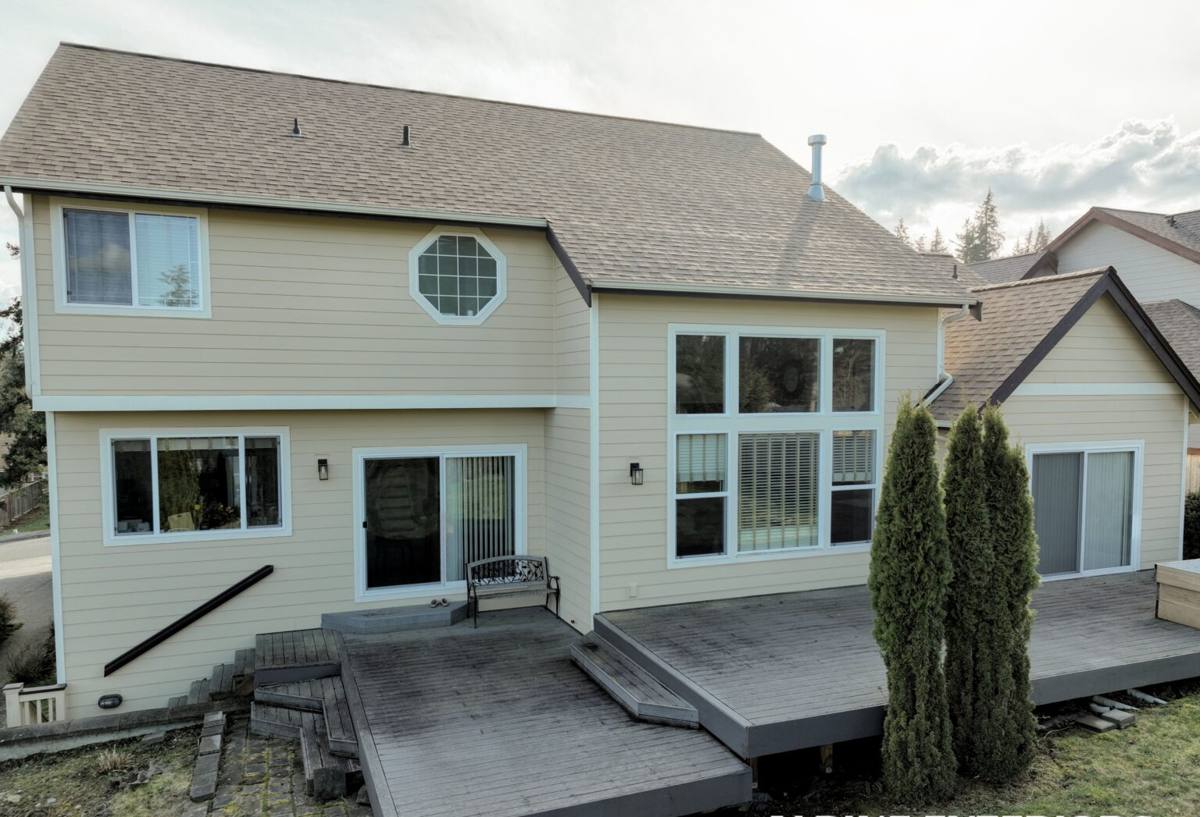
What "Custom" Actually Means Here
"Custom" gets used loosely in this industry, so it's worth being specific. For us it means three things:
- Exact dimensions. Belleair has a mix of older cottages, mid-century homes, and newer coastal builds, and very few of them have openings that match a stock window size. Custom units are built to your actual rough opening rather than forcing your opening to fit a standard size, which usually means less trim work, fewer shims, and a tighter seal.
- Matched shapes and profiles. Arched openings, transoms, bay and bow configurations, and mulled window groupings all show up on Belleair homes, especially in older sections of town. These need to be fabricated to spec, not adapted from a catalog unit.
- Performance built for the exposure. A window on a west-facing wall with direct Gulf exposure needs a different glass package and frame reinforcement than one tucked under a covered porch on the north side of the same house. Custom means we spec each opening individually rather than installing one product across the whole house by default.
None of this is about upselling a fancier product. It's about matching the window to the opening and the exposure so it actually performs for the next fifteen to twenty years instead of the next five.
Wind, Water, and Florida Building Code
Every window installed in this part of Pinellas County has to meet Florida Building Code wind-load and wind-borne debris requirements for the local wind zone. That code sets minimum standards for how the glass, frame, and anchoring perform under pressure — both the direct push of high wind and the impact of airborne debris during a storm. It's not optional, and it's not something a contractor can eyeball; it comes down to product testing data (design pressure ratings, missile impact ratings) matched to your specific wall and elevation.
Two separate things determine whether an opening is protected against wind-borne debris: the window itself can be rated as impact-resistant (laminated glass built to stay intact under impact), or a non-impact window can be paired with code-approved shutters or panels. Both are legitimate paths under the code. What matters is that whichever path you choose is documented correctly and permitted correctly — Pinellas County and the Town of Belleair both require permits and inspections for window replacement, and skipping that step can create real problems when you sell the house.
What This Means for a Belleair Homeowner
In practice, most homeowners here end up choosing between:
- Impact-rated windows with laminated glass, which stay in place if broken and don't require storm prep before a hurricane.
- Standard windows paired with separately rated shutters or panels, which cost less up front but require action (and storage space) every storm season.
We'll walk through both honestly, including the maintenance and lifestyle trade-offs, rather than steering you toward whichever is easiest for us to install.
Frame Material Comparison
Salt air and sun are hard on every frame material, just in different ways. Here's how the common options actually hold up in this environment:
| Material | Salt Air / Coastal Performance | UV / Sun Exposure | Maintenance |
|---|---|---|---|
| Vinyl | Good — won't corrode or pit | Quality varies; lower-grade vinyl can yellow or warp over years of direct sun | Low — no painting, occasional cleaning |
| Aluminum | Fair — needs a marine-grade or coastal-rated finish to resist pitting | Holds color well with the right finish | Moderate — hardware and finish need periodic attention |
| Fiberglass | Very good — dimensionally stable, resists corrosion | Very good — holds up well to prolonged UV | Low |
| Wood / wood-clad | Poor without diligent upkeep — salt air accelerates rot at joints and sills | Requires refinishing over time | High |
We don't push one material on every house. A wood-clad window can be the right call for a historic-style Belleair cottage where appearance matters most, as long as the homeowner understands the upkeep that comes with it. For most exposed, wind-facing walls, we're steering people toward vinyl or fiberglass because they need less from the homeowner to keep performing.
Glass Packages
The frame is half the equation — the glass package matters just as much:
- Laminated impact glass — two panes bonded around an interlayer that keeps the glass intact under impact. Standard for hurricane-rated openings.
- Low-E coatings — a thin, virtually invisible coating that reduces heat transfer, which matters a lot given how many months a year Belleair homes run air conditioning.
- Tinted or reflective glass — cuts glare and additional solar heat gain on west- and south-facing exposures, at some cost to visible light.
- Insulated (double-pane) construction — improves energy performance and sound dampening, which is worth considering on homes near busier roads or under flight paths.
Most custom orders for this area combine laminated impact glass with a Low-E coating as the baseline, then adjust tint and additional coatings based on which direction the wall faces.
Common Problems We See on Belleair Homes
Working in this specific area repeatedly, a few patterns show up often enough to call out:
Failed Seals on Older Aluminum-Frame Windows
Aluminum-frame windows from past decades are common on older Belleair properties. Over time, the factory seals and weep systems degrade, and salt air accelerates corrosion around the hardware and frame joints. The window may still look fine from a distance while quietly letting in wind-driven rain during storms.
Undersized or Non-Rated Openings from Past Additions
Homes that have been added onto or renovated over the years sometimes have window openings that were never brought up to current wind-load standards. This is easy to miss until a permit application forces the issue — better to catch it during a planned replacement than during storm prep.
Wood Rot at Sills and Corners
On wood and wood-clad windows especially, humidity and salt air work at the sill and corner joints first. By the time rot is visible on the interior, it's often already compromised the structure underneath the finish.
Mismatched Retrofits
Because Belleair has such a mix of architectural styles — from older cottages to newer coastal construction — it's common to find a house where a past window replacement doesn't match the original opening style or proportions. Custom fabrication is how we correct that rather than repeating the mismatch.
Our Installation Process
Custom window work only pays off if the install matches the quality of the product. Here's how we run it:
- On-site assessment. We measure every opening individually, check the wall's exposure and framing condition, and note anything — rot, out-of-square openings, prior repairs — that needs to be addressed before new windows go in.
- Product and glass selection. Based on that assessment, we walk through frame material, glass package, and impact-vs-shutter strategy for each elevation of the house, not a one-size answer for the whole project.
- Permitting. We handle the permit application with the applicable local building department, including any required documentation of wind-load and impact ratings for the products going in.
- Fabrication. Custom units are built to the exact measurements taken on site. This step takes longer than grabbing stock windows off a shelf, and we'll give you a realistic timeline up front rather than an optimistic one.
- Removal and installation. Old windows come out, the opening is inspected and prepped, and new units go in with proper flashing, sealant, and anchoring — the details that determine whether a window actually resists wind-driven rain, not just wind.
- Inspection and walkthrough. We schedule the required inspection and walk the finished work with you before calling the job done.
Cost Factors to Understand
Every custom window project prices out differently, but the variables that move the number are consistent:
| Factor | How It Affects Cost |
|---|---|
| Impact-rated glass vs. standard glass + shutters | Impact glass costs more per unit up front; shutters cost less up front but add ongoing labor and storage |
| Frame material | Vinyl is typically the most economical; fiberglass and wood-clad cost more |
| Opening shape and size | Arched, bayed, or oversized openings require more fabrication time than standard rectangular units |
| Number of openings | Whole-house projects generally bring a better per-unit price than one or two windows at a time |
| Existing wall condition | Rot repair, out-of-square framing, or code-upgrade work adds labor beyond the window itself |
We'd rather walk your specific house and give you real numbers than post a broad range that doesn't mean much for your situation — but as a general rule, glass package and frame material move the price more than almost anything else on the list.
Why a Crew That Already Works in Belleair Matters
Window replacement in this town isn't just a technical job — it's a local-process job. A contractor who's pulled permits with Belleair and Pinellas County before knows what the inspectors are going to look for, knows the wind-zone requirements that apply to this specific area, and isn't learning the local process on your project. That familiarity shows up in fewer surprises, fewer failed inspections, and a more accurate timeline from the start.
It also matters for smaller things that add up: knowing how narrow some of the older lots and driveways are when scheduling deliveries, understanding the mix of architectural styles well enough to recommend a window that actually fits the house instead of a generic replacement, and being reachable locally if a question comes up after the job is done — not routed through a call center states away.
Maintenance Checklist for Custom Windows in This Climate
Even the best window installed correctly still needs some upkeep in a salt-air environment. A short seasonal routine goes a long way:
- Rinse frames and hardware periodically to remove salt residue, especially on west- and Gulf-facing walls
- Check and clean weep holes so water can drain out of the frame rather than pooling
- Inspect exterior sealant and caulking once a year for cracking or separation
- Lubricate moving hardware (locks, hinges, rollers) to prevent salt-related corrosion from seizing them
- Look at wood or wood-clad sills for early signs of softening or paint failure before it becomes structural
- Confirm shutters or panels are complete and in working order before hurricane season if that's your protection strategy
If you're weighing custom windows for a Belleair home, we're glad to come take a look, walk the openings with you, and put together straightforward options and numbers — no pressure, no pushy sales pitch. Reach out through the form below to schedule a free estimate.