 Clearwater Siding
 Asphalt Shingle Roofing Built for Del Oro's Climate
Del Oro homeowners deal with a roofing environment that punishes shortcuts. Between hurricane-force wind events, intense year-round UV exposure, wind-driven rain, and salt air drifting in off the Gulf, a shingle roof in this part of Pinellas County works harder than the same roof would almost anywhere else in the country. We install and repair asphalt shingle roofing for homes in and around Del Oro, and we build every system around those four stressors specifically, not around a generic install spec written for a milder climate.
This page covers what a correct asphalt shingle roof looks like for a Del Oro home, what our process actually involves, and why local experience with this specific area's wind exposure and roof styles matters more than most homeowners realize until something goes wrong.
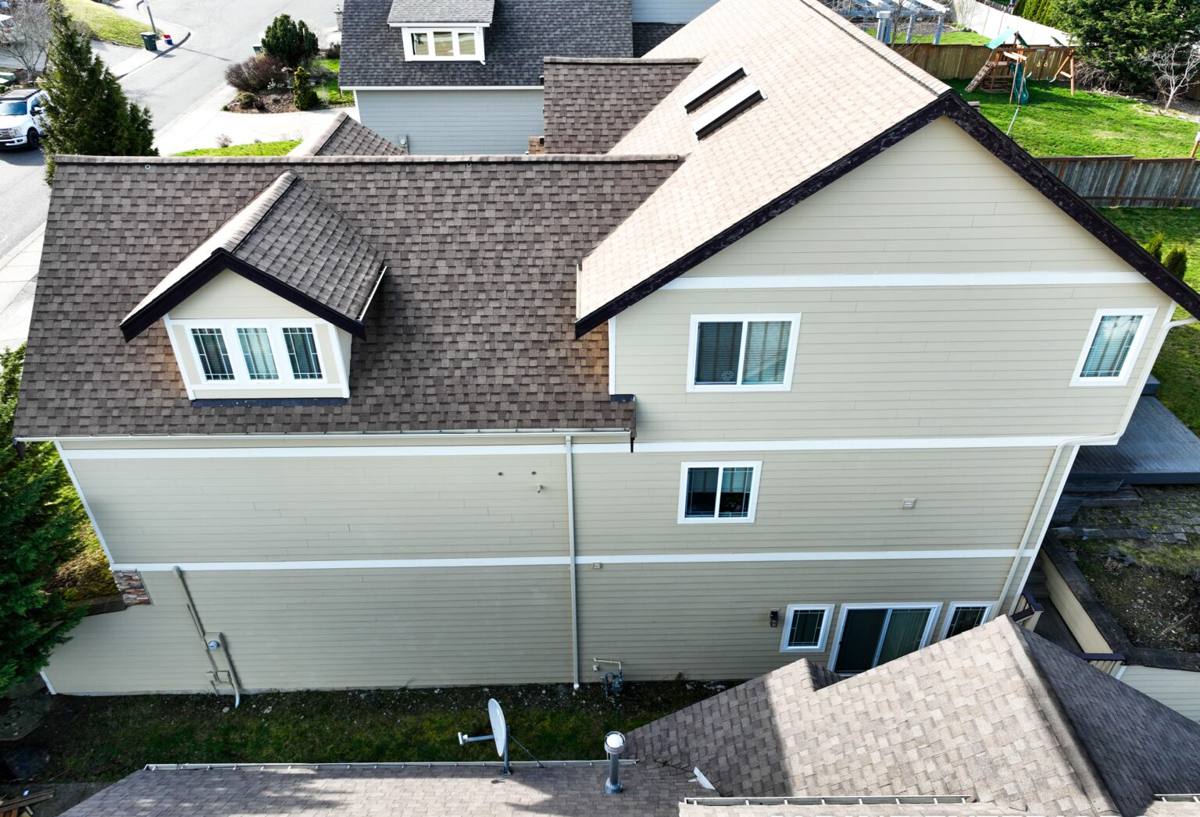
What Clearwater's Climate Does to a Shingle Roof
Wind
Florida's wind-load requirements exist for a reason. Shingles rated for lower wind zones can lift, crease, or blow off entirely during tropical storms and hurricanes, and even sub-hurricane straight-line gusts can work edges and ridges loose over time if the fastening pattern was rushed. The starter course, nailing pattern, and ridge cap installation matter as much as the shingle product itself — a premium shingle installed with a builder-grade nailing pattern will still fail early in a wind event.
UV Exposure
Florida sun is relentless on roofing year-round, not just in summer. UV breaks down the asphalt binders in shingles over time, which is what eventually leads to granule loss, brittleness, and cracking. Roof orientation matters here too — south- and west-facing slopes on a Del Oro home will typically show wear faster than north-facing slopes, which is worth knowing when you're deciding where to prioritize a repair versus a full replacement.
Wind-Driven Rain
Straight-down rain is easy for any roof to shed. Wind-driven rain is a different problem — it gets pushed sideways and upward under shingle edges, around penetrations, and into valleys. This is where underlayment quality, valley flashing, and proper shingle overlap do the real work. A roof that looks fine from the ground can still be letting water in at these transition points during a storm.
Salt Air
Being close enough to the Gulf to get salt air exposure accelerates corrosion on anything metal — flashing, nail heads, vent stacks, and drip edge. Non-corrosion-resistant fasteners and flashing are a common weak point we find on older roofs in this area, well before the shingles themselves are due for replacement.
What a Correct Installation Involves
A shingle roof is a system, not a single product. Getting it right in Del Oro means paying attention to every layer, not just the shingle brand on the sample board.
- Deck inspection and repair: Any soft, delaminated, or water-damaged decking gets replaced before anything else goes down. Shingles fastened over a compromised deck will never perform correctly, regardless of the product.
- Underlayment: A synthetic or self-adhering underlayment rated for high-wind, high-heat climates, with special attention to valleys, eaves, and roof penetrations where wind-driven rain concentrates.
- Drip edge and flashing: Corrosion-resistant metal at all edges, valleys, and penetrations — sized and installed to shed water outward, not to just look finished from the street.
- Nailing pattern: Manufacturer- and code-specified nail count and placement, which in Florida wind zones is typically more fasteners per shingle than you'd see required in milder climates.
- Ventilation: Proper intake and exhaust ventilation to manage attic heat and moisture — critical for both shingle lifespan under UV load and for keeping cooling costs reasonable in a Florida attic.
- Ridge and hip caps: These take the most direct wind load on the roof and are one of the most common failure points when installed with shortcuts.
Signs a Del Oro Roof Needs Attention
Most shingle roof failures don't happen all at once — they show warning signs first. Homeowners who catch these early usually pay for a repair instead of a premature full replacement.
- Granules collecting in gutters or at downspout outlets
- Curling, cupping, or cracked shingles, especially on south- or west-facing slopes
- Shingles that look lifted or loose after a windstorm, even if none blew off completely
- Dark streaking or algae growth, which is cosmetic but can signal moisture retention
- Soft spots underfoot, or visible sagging along the roofline
- Rusty streaking near flashing, vents, or nail heads
- Water stains on interior ceilings, particularly near valleys or chimneys
Repair, Recover, or Full Replacement?
Not every roof issue means a full tear-off. We evaluate age, deck condition, and the extent of damage before recommending a scope of work, and we'll tell you honestly when a repair is the right call instead of upselling a full replacement.
| Situation | Typical Approach | Why |
|---|---|---|
| Isolated wind or storm damage, roof under 10-12 years old | Targeted repair | Deck and surrounding shingles are still sound; no need to replace the whole system |
| Widespread granule loss, brittleness, multiple leak points | Full replacement | Underlayment and shingle material are past the point where spot repairs hold |
| Roof near end of manufacturer warranty life with a sound deck | Full replacement, deck reused | Deck inspection during tear-off confirms it can support new underlayment and shingles |
| Deck damage found during inspection or tear-off | Deck repair or replacement, then new roof system | Shingles installed over compromised decking will fail early regardless of product quality |
Shingle Options for Del Oro Homes
We install architectural (laminated) and, less often, three-tab shingle systems, choosing based on wind rating, budget, and how the home's roofline and neighborhood aesthetic call for it. Architectural shingles are the more common recommendation for this area now — they carry higher wind ratings, more dimensional appearance, and generally hold up better under UV exposure over time. Whatever product we install, we match fastening and flashing details to that manufacturer's high-wind installation specification, not a generic one, so the warranty stays intact if you ever need it.
We're straightforward about trade-offs rather than steering you toward the most expensive option. A well-installed mid-tier shingle with correct flashing and ventilation will outperform a premium shingle installed with shortcuts, every time.
Our Process, Start to Finish
- On-site inspection: We assess the current roof, deck condition where accessible, ventilation, and any visible damage, and walk you through what we find.
- Written estimate: A clear scope of work and pricing before anything starts — no surprise change orders for items we could have identified up front.
- Permitting: Pinellas County and City of Clearwater roofing work requires permits and inspections; we handle that process as part of the job.
- Tear-off and deck inspection: Old roofing removed down to the deck, with any damaged decking flagged and repaired before underlayment goes down.
- Underlayment, flashing, and shingle installation: Installed to manufacturer high-wind specifications, with attention to valleys, penetrations, and edges.
- Final walkthrough and inspection: We review the completed work with you and coordinate the required municipal inspection.
Why a Local Crew Matters
A roofing crew that regularly works in and around Del Oro already knows the wind exposure patterns, the typical roof pitches and styles in the area, and which older homes are more likely to have outdated flashing or ventilation. That familiarity shows up in faster, more accurate estimates and fewer surprises once a tear-off starts. It also means faster response when storm damage needs to be assessed quickly — we're not driving in from across the region to get eyes on your roof.
We also stand behind our work with clear communication throughout the job, not just a signature at the end. If something unexpected turns up once the old roofing is off — and on older homes, it sometimes does — we'll show you before we proceed, not bury it in a final invoice.
What to Expect From a Fair Roofing Estimate
A trustworthy estimate should be specific about materials, scope, and timeline — not a vague number based on square footage alone. Before you sign anything, a written estimate should cover:
- Shingle brand, line, and wind rating being quoted
- Underlayment type
- Whether deck repair is anticipated or being priced as a contingency
- Flashing and drip edge material and where it will be installed
- Ventilation changes, if any
- Permit and inspection handling
- Warranty terms — both manufacturer material warranty and our workmanship warranty
If a roofing estimate doesn't cover most of these points, it's worth asking why before you agree to the work.
If your Del Oro home's roof is showing wear, took a hit in recent weather, or you're simply due for an honest assessment, we're glad to come take a look. Fill out the form below for a free, no-pressure estimate — we'll tell you what we find and what your real options are, without pressure to choose the most expensive one.